
 1 hour ago
13
1 hour ago
13
The last time the 30-year US Treasury yield was this high, the iPhone had just gone on sale and the word “subprime” was only beginning to enter the public vocabulary. On August 17, 2026, the yield on the benchmark long bond climbed to approximately 5.31%, its highest reading since July 2007, a milestone that carries real consequences for anyone who borrows money, holds stocks, or pays taxes.
To put that number in context: for most of the decade following the 2008 financial crisis, the 30-year yield sat well below 3%. The move to 5.31% is not a blip. It is a structural repricing of what it costs the US government to borrow for a generation.
How we got here
The climb did not happen overnight. Yields crossed back above 5% earlier in 2026 and have stayed there for the longest continuous stretch since before the financial crisis. A May 2026 spike briefly pushed the yield to near 5.20%, and a July 9 auction of new 30-year bonds was awarded at 5.058%, itself the highest auction yield since 2007, with strong demand from investors nonetheless. Prior to the August 17 spike, the constant maturity yield had held steady within the 5.21% to 5.25% range.
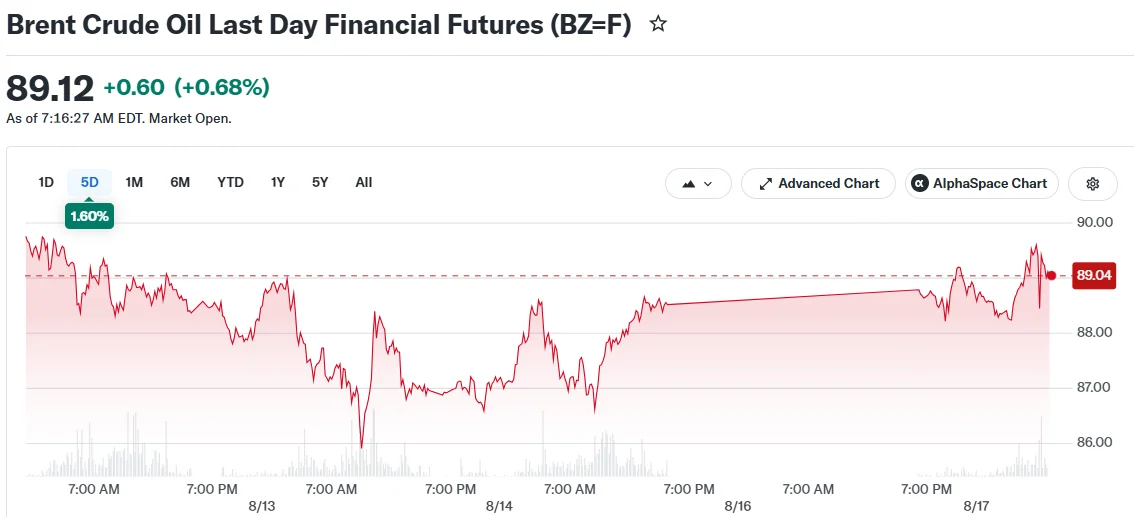
Three forces are doing most of the work. First, the US government is issuing an enormous volume of debt to fund persistent budget deficits, and more supply means sellers have to offer buyers a better price to clear the market. Second, inflation has proven stubborn: tariffs on imported goods and rising energy costs are keeping price pressures alive well past the point where the Federal Reserve hoped they would fade. Third, the market is recalibrating around new Federal Reserve Chair Kevin Warsh, who took office in May 2026 and whose signals about the future path of interest rates have introduced fresh uncertainty.
Why the 5% threshold matters
The standard framework in finance is that when the risk-free rate rises, the present value of future corporate earnings falls. For ordinary borrowers, the transmission is more direct. Mortgage rates, corporate loan rates, and auto financing all loosely track longer-term Treasury yields. A sustained period above 5% on the 30-year makes housing affordability worse, slows business investment, and raises the cost of carrying existing debt for companies that need to refinance.
The federal government itself is not immune. Higher yields mean higher interest payments on new debt issued to roll over maturing obligations, which adds to the deficit, which requires more borrowing, which can push yields higher still.
The ghost of 2007
The historical parallel that keeps surfacing in bond market conversations is 2007, the last time yields sat at these levels. That period ended badly: yields eventually collapsed as the financial system seized up and the Fed cut rates aggressively. The current situation has meaningful differences. Bank balance sheets are better capitalized than they were heading into the 2008 crisis. The source of the yield pressure today is largely fiscal and inflation-driven rather than a credit bubble in the private sector.
Warsh’s Fed faces a version of the classic central bank dilemma in sharper relief than usual. Cutting rates to relieve pressure on the economy risks inflaming inflation expectations and pushing yields even higher at the long end, since bond investors would see a rate cut as a signal that the Fed is tolerating more inflation. Keeping rates elevated prolongs the squeeze on growth.
Disclosure: This article was edited by Editorial Team. For more information on how we create and review content, see our Editorial Policy.



 English (US) ·