
 3 months ago
60
3 months ago
60
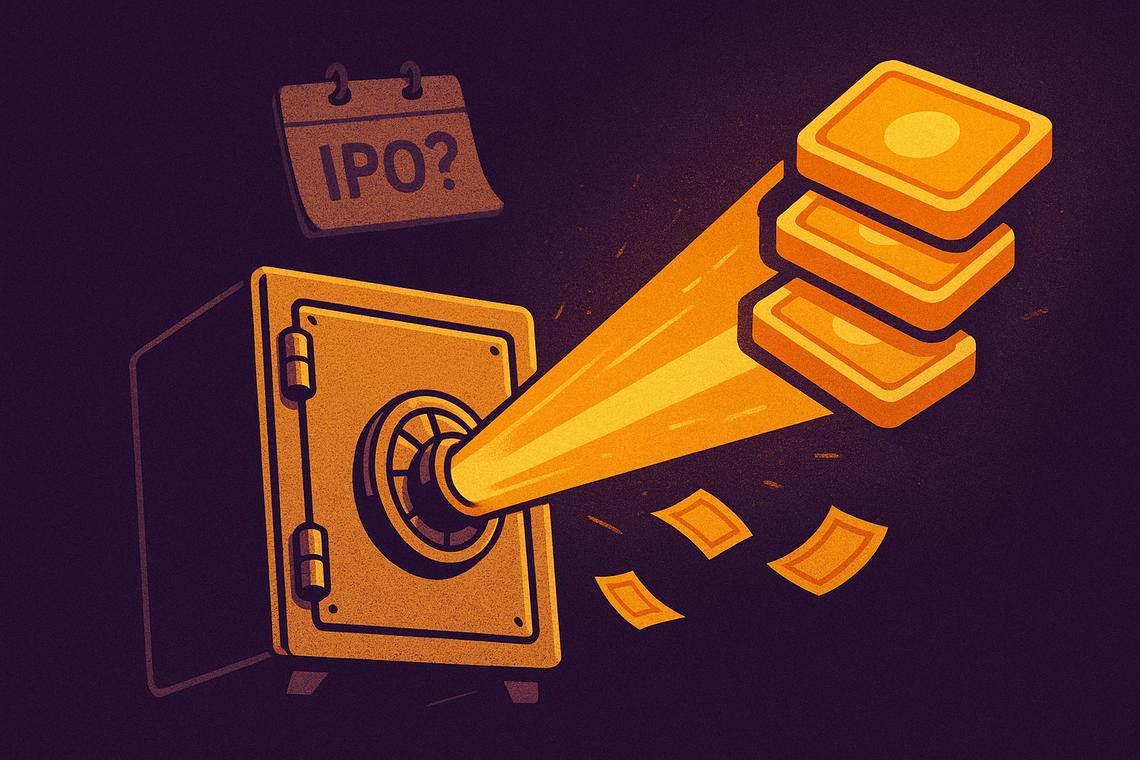
OpenAI’s latest OpenAI secondary share sale turned private-company equity into life-changing cash for a large group of employees, underscoring how far the company’s valuation has climbed. In a single tender offer, 75 OpenAI employees each cashed out the maximum allowed, $30 million, a striking figure for a company that still has not gone public.
The scale of the OpenAI secondary share sale is what makes it stand out. More than 600 current and former employees took part in the October 2025 tender offer, selling shares worth a combined $6.6 billion. At the time, OpenAI was valued at $852 billion, putting it among the most highly valued private companies anywhere.
And this was not just paper wealth on a cap table. The sale gave employees actual liquidity, turning long-held equity into money they could use now, rather than waiting for an IPO that has not been confirmed.
OpenAI employees cash out billions in secondary sale
The headline number is hard to ignore: 75 OpenAI employees each sold up to $30 million in shares in the OpenAI secondary share sale. Together, those top sellers accounted for $2.25 billion of the total transaction.
That alone would make the event notable. But the broader tender offer was much larger, extending to more than 600 current and former employees and totaling $6.6 billion in share sales.
For a private company, that kind of employee liquidity event sends a clear message. It shows there is deep investor demand for OpenAI equity even before any public listing. It also shows that OpenAI has built enough value, and enough market confidence, to support multi-billion-dollar secondary transactions without an IPO.
That matters because private-company compensation often depends heavily on equity. A tender offer changes the equation. Instead of asking employees to wait indefinitely for a public debut, it gives them a path to cash out part of their holdings while staying at the company.
How the OpenAI tender offer broke down
The numbers reveal just how concentrated the largest payouts were.
- Seventy-five employees hit the $30 million cap, totaling $2.25 billion.
- More than 600 current and former employees participated in the October 2025 sale, which reached $6.6 billion overall.
That means the biggest cash-outs made up a large share of the transaction, while the rest of the participants accounted for the remaining billions.
The deal also fits a pattern rather than a one-time burst of liquidity. OpenAI has been running secondary sales since 2021, and an estimated 300 to 500 employees have realized more than $10 million each in secondary proceeds across multiple rounds.
Why does that matter? Because repeat secondary sales suggest a maturing private market around OpenAI shares. They offer a release valve for employees, but they also serve another purpose: they help establish a real-world price for the company based on what investors are willing to pay.
What the sale says about OpenAI’s valuation
The October 2025 OpenAI tender offer valued the company at $852 billion. That figure is one of the most important takeaways from the sale, because it puts a hard market number on investor appetite for OpenAI stock.
In practical terms, the tender offer was more than an employee benefit. It was a valuation event. Investors were not reacting to a hypothetical future story alone; they were buying shares at a price that implied OpenAI was already worth $852 billion as a private company.
That helps explain why markets are paying such close attention to any future listing. The article’s projection places a potential OpenAI IPO valuation at more than $1.5 trillion. That is not a confirmed IPO plan, but it does show the scale of expectations now surrounding the company.
There is a broader business implication here too. Large secondary sales can help a company retain talent by proving that equity compensation has near-term value. At the same time, they can reinforce a soaring private-market valuation without forcing the company into public markets before it is ready.
Why the OpenAI secondary share sale matters for employees and investors
The OpenAI secondary share sale highlights a rare position in today’s market: a company with pre-IPO status but public-market-sized liquidity. Few private businesses can support a $6.6 billion employee tender offer while carrying an $852 billion valuation.
That combination changes the normal startup playbook. Instead of treating an IPO as the only real payday, OpenAI has already created a mechanism for current and former employees to monetize equity at enormous scale.
It also sharpens the next question hanging over the company. If secondary rounds since 2021 have already produced tens of millions for some employees and more than $10 million each for an estimated 300 to 500 people, then any future public offering would arrive with expectations far beyond a standard tech debut. A business already supporting billion-dollar employee liquidity events in private markets would enter Wall Street under pressure to justify numbers usually reserved for the very biggest companies on Earth.







 English (US) ·