
 1 hour ago
25
1 hour ago
25
Tim Cook built his legend on supply chain mastery. Now the thing that made him CEO is the thing keeping him up at night.
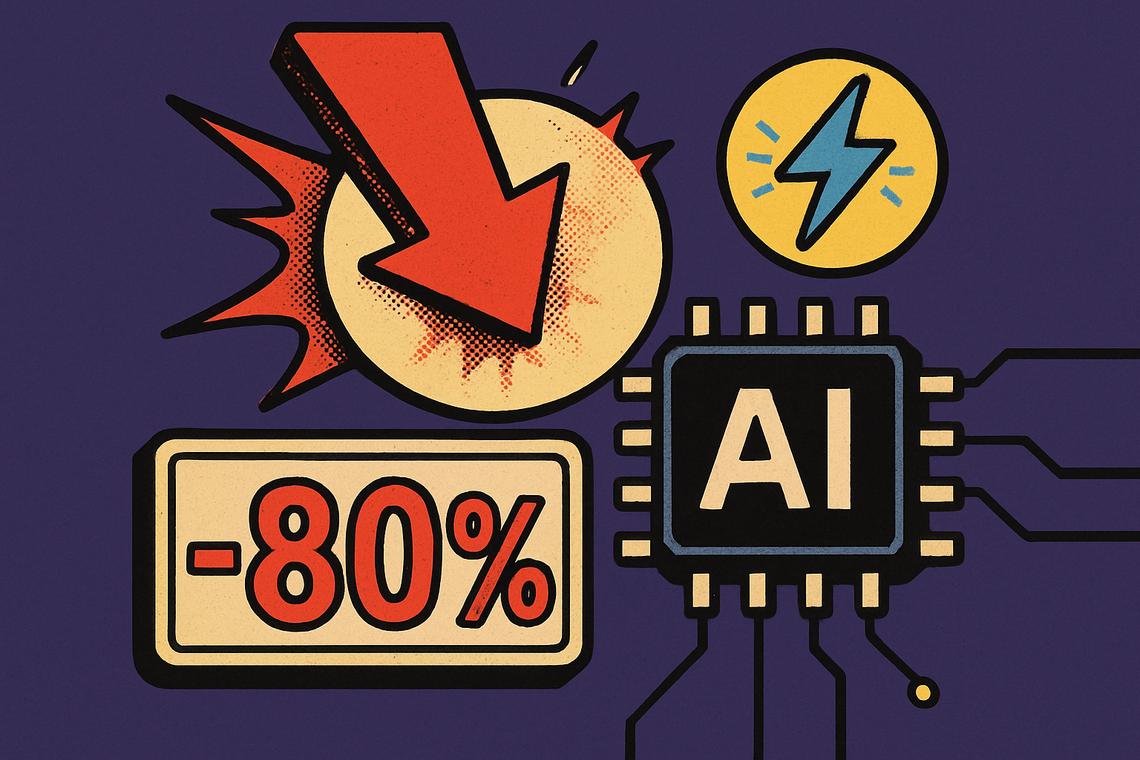
Apple is grappling with a memory chip shortage that has already forced the company to raise prices on Macs by roughly 15-20% and iPads by 15-25% as of June 2026. The culprit: skyrocketing costs for DRAM and NAND memory, driven largely by an insatiable appetite for AI workloads across the tech industry.
Cook himself acknowledged during earnings discussions that memory costs will have an “increasing impact” on business. In English: the components inside your devices are getting dramatically more expensive, and Apple can’t eat all of that cost forever.
The AI tax on everything
Every large language model, every on-device AI feature, every generative tool running locally on a phone or laptop requires substantial DRAM and NAND flash storage. When every major tech company is simultaneously racing to cram more AI into more products, demand for memory chips doesn’t just increase. It explodes.
This isn’t an Apple-only problem. Samsung flagged tightening memory supplies in its own recent earnings updates. When the two largest consumer electronics companies on the planet are both waving the same warning flag, the rest of the industry tends to pay attention.
Geopolitics enter the chat
As if raw economics weren’t complicated enough, the situation picked up a geopolitical dimension in July 2026.
A Senate letter raised concerns about Apple testing DRAM sourced from CXMT, a Chinese memory manufacturer. The implication is straightforward: US lawmakers are uncomfortable with a company as strategically important as Apple potentially relying on Chinese-made memory components.
This puts Cook in an awkward position. Diversifying suppliers is exactly what you’d want to do during a shortage. Finding alternative sources of DRAM is textbook supply chain management. But when one of those alternative sources is a Chinese firm, it triggers a completely different set of alarms in Washington.
What this means for investors
Apple’s price increases on Macs and iPads represent a significant shift. A 15-25% bump is not a rounding error. It’s the kind of increase that changes purchase decisions, especially for education buyers, enterprise customers, and price-sensitive consumers in emerging markets.
iPhone prices have remained stable for now, which is notable given that the iPhone remains Apple’s largest revenue driver. But the word “for now” is doing a lot of heavy lifting in that sentence. If memory costs continue climbing, iPhones could be next in line for adjustments.
On the flip side, this environment creates opportunities elsewhere in the investment landscape. Companies that manufacture DRAM and NAND, like Samsung, SK Hynix, and Micron, stand to benefit from elevated pricing.
For traders watching Apple specifically, the metric to monitor is gross margin. Cook’s team has been remarkably consistent at maintaining margins in the high 40% range for years. If memory costs erode that number meaningfully over the next few quarters, even by a point or two, it could signal that Apple’s pricing power has limits that the market hasn’t fully priced in.
Disclosure: This article was edited by Editorial Team. For more information on how we create and review content, see our Editorial Policy.







 English (US) ·