
 8 hours ago
11
8 hours ago
11
Apple just got a $2.2 billion check from the government, and it’s not sharing with customers.
The tariff refund, first reported by Newsweek, landed in Apple’s fiscal Q3 2026 results and single-handedly inflated the company’s margins in ways that make an already profitable quarter look downright luxurious. Gross margin hit 50.1%, roughly 2 percentage points higher than it would have been without the windfall. Diluted earnings per share came in at $2.02, with $0.11 of that directly attributable to the refund.
Strip out the refund, and Apple’s quarter was primarily in line with what analysts had already penciled in. The $2.2 billion was the difference between “met expectations” and “crushed it.”
Where did the money come from
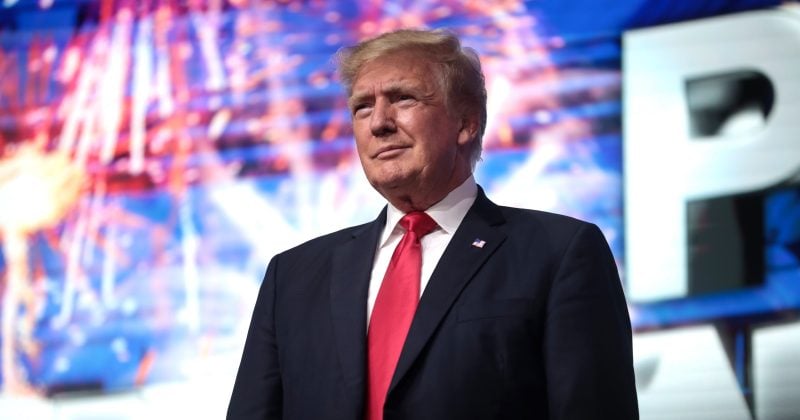
The refunds stem from tariffs imposed during the Trump administration on imported goods, duties that courts have since ruled were unlawful. Companies paid duties on goods entering the US. Courts later determined those duties were illegally imposed. The government owes the money back.
Apple isn’t the only company collecting. Walmart disclosed $2.4 billion in similar refunds. Costco reported $2 billion. Amazon came in at $600 million.
Reinvest, not reduce
CEO Tim Cook has been explicit about Apple’s plans for the windfall. The $2.2 billion will be funneled into US manufacturing efforts, building on a prior $600 billion investment pledge the company made earlier in 2026 aimed at expanding domestic production capacity.
Cook emphasized the company’s intent to use the funds to support existing commitments to U.S. manufacturing.
Nothing prevents Apple from passing savings along to consumers. The company simply chose not to. No portion of the refund has been allocated toward consumer price reductions.
The broader corporate refund landscape
The original tariffs were justified as protecting American workers and industries. The refunds acknowledge those tariffs were illegally imposed. But the refunded money isn’t flowing back to consumers who ultimately bore the cost of higher prices during the tariff period. None of the major recipients have announced consumer-facing price reductions tied to their refunds.
What this means for investors
For Apple specifically, the $2.2 billion refund is a one-time event. It won’t repeat next quarter. The 50.1% gross margin is artificially elevated, and the underlying business, while healthy, didn’t organically produce those numbers.
Any company that beat estimates this quarter deserves a closer look at whether the beat was organic or refund-driven. The risk is that investors price in a level of profitability that simply isn’t sustainable once the refund effect washes out.
Disclosure: This article was edited by Editorial Team. For more information on how we create and review content, see our Editorial Policy.





 English (US) ·