
 5 months ago
68
5 months ago
68
- The Bank of Canada tested a C$100 million bond issued on blockchain
- The trial processed the full bond lifecycle on a single distributed ledger
- Tokenized Canadian dollars were used to settle transactions
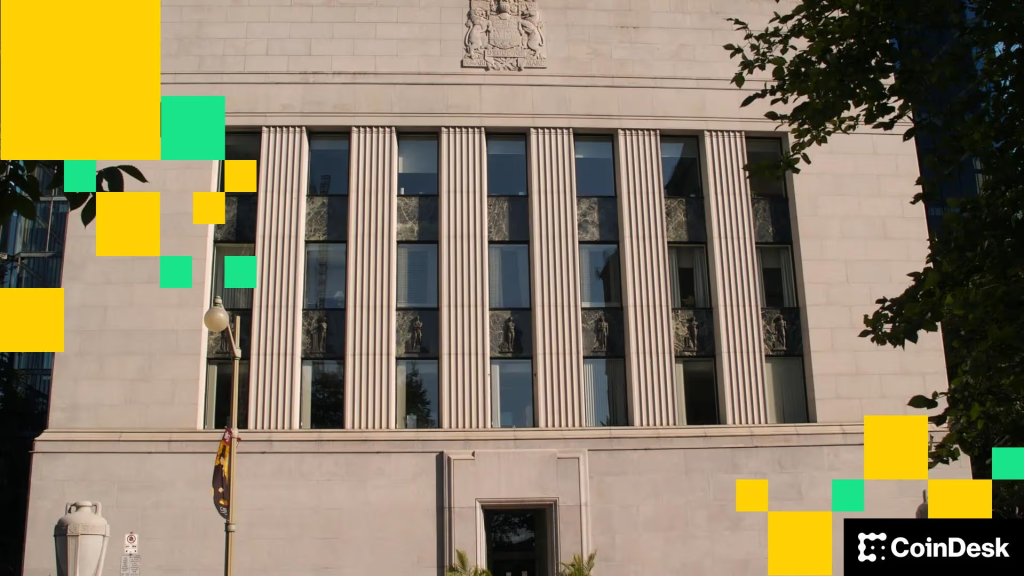
The Bank of Canada has completed a major experiment that may offer a glimpse into the future of global finance. In a project known as Project Samara, the central bank partnered with several of Canada’s largest financial institutions to test issuing and managing a C$100 million bond using blockchain infrastructure.
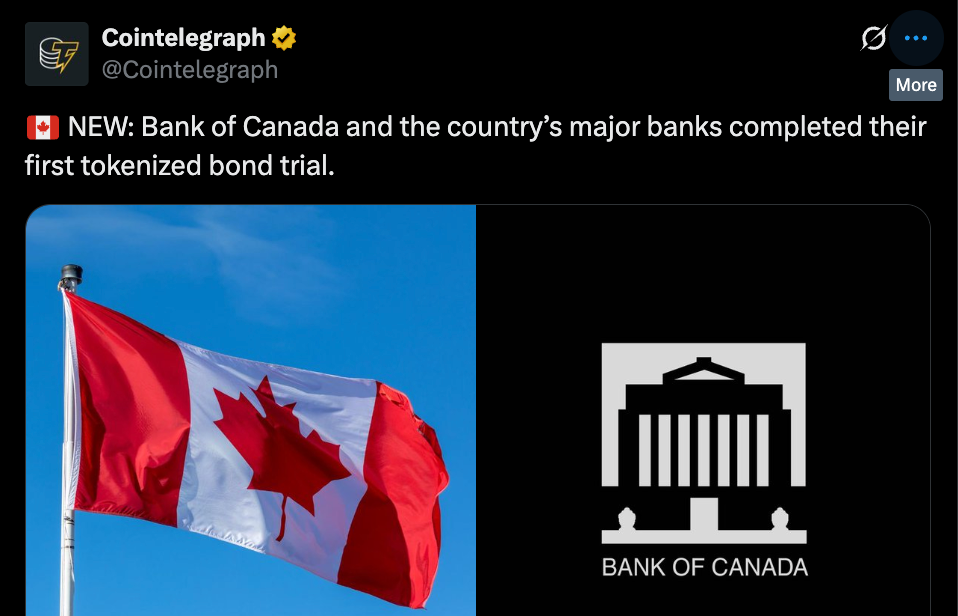
The bond itself was issued by Export Development Canada and sold to a controlled group of investors with a short maturity. While the bond size was relatively modest, the infrastructure behind the transaction is what drew attention from financial analysts. The entire process was conducted on a distributed ledger rather than traditional financial systems.
Blockchain Managed the Entire Bond Lifecycle
One of the most notable aspects of the trial was that a single blockchain platform handled every stage of the bond’s lifecycle. The system supported issuance, investor bidding, coupon payments, secondary trading activity, and the final redemption of the bond.
In traditional financial markets, these processes are spread across multiple systems operated by banks, brokers, clearinghouses, and custodians. Each institution maintains its own records and must constantly reconcile data with others involved in the transaction.
By placing the entire process on a shared ledger, tokenization compresses many of these steps into one coordinated system. That approach can potentially reduce operational friction and improve transparency across financial markets.
Tokenized Canadian Dollars Enabled Settlement
Another important component of Project Samara involved settlement infrastructure. The Bank of Canada created tokenized versions of wholesale Canadian dollars that moved on the same distributed ledger as the bond itself.
This meant both the asset and the payment used to settle the transaction existed within the same digital environment. In traditional markets, settlement typically requires separate payment systems and reconciliation processes that can introduce delays.
Using tokenized currency allows the asset and the settlement layer to interact directly on the same platform. In theory, that setup could significantly reduce settlement times and operational complexity.
Central Banks Continue Testing Blockchain Infrastructure
Experiments like Project Samara highlight a broader trend among central banks and financial institutions. Around the world, regulators and banks are increasingly testing tokenization as a way to modernize financial infrastructure.
While these trials are often conducted quietly and with limited participants, they provide valuable insights into how blockchain technology could integrate with traditional financial systems. For institutions managing large securities markets, efficiency improvements could translate into substantial cost savings.
Tokenization Could Reshape Financial Markets
The trial also illustrates how blockchain technology is gradually moving beyond cryptocurrencies into traditional finance. Instead of focusing solely on digital assets like Bitcoin or Ethereum, institutions are exploring how tokenization could apply to bonds, equities, and other securities.
If these experiments continue to succeed, the structure of financial markets could gradually evolve. Systems that currently rely on multiple intermediaries and delayed settlement processes may eventually transition toward shared digital ledgers that manage assets and payments simultaneously.
Disclaimer: BlockNews provides independent reporting on crypto, blockchain, and digital finance. All content is for informational purposes only and does not constitute financial advice. Readers should do their own research before making investment decisions. Some articles may use AI tools to assist in drafting, but every piece is reviewed and edited by our editorial team of experienced crypto writers and analysts before publication.





 English (US) ·