
 1 hour ago
19
1 hour ago
19
Treasury Secretary Scott Bessent has been making the case for expanding US dollar swap lines to Gulf allies and Asian partners, framing the move as a way to shore up global dollar liquidity during a period of escalating geopolitical stress tied to conflicts involving Iran.
What Bessent is proposing, and why
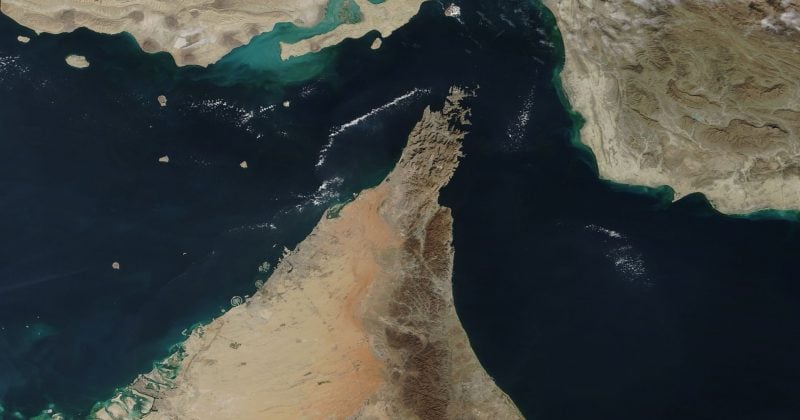
Gulf partners, particularly the UAE, along with unspecified Asian nations, have asked the US to widen access to dollar swap lines. These are credit lines that allow foreign central banks to borrow dollars from the Federal Reserve, posting their own currency as collateral.
Bessent has argued that expanding these arrangements would combat disorderly asset sales, stabilize funding markets, and reinforce the dollar’s position as the world’s reserve currency.
The mechanics split into two lanes. The Federal Reserve handles short-term funding needs through its existing swap line infrastructure. The Treasury’s Exchange Stabilization Fund offers a second pathway with broader executive discretion, but significantly more limited resources.
As of late April 2026, no permanent new swap lines have been confirmed. Discussions remain ongoing.
The risk calculus nobody’s excited to discuss
The first concern is scale. The ESF was designed as a flexible instrument, but it doesn’t have unlimited firepower. Using it aggressively to backstop foreign dollar demand could stretch the fund’s capacity, particularly if multiple allies draw on it simultaneously during a genuine crisis.
The second concern is Fed independence. Every time the executive branch leans on the central bank to expand lending facilities for geopolitical purposes, it blurs the line between monetary policy and foreign policy. The Fed’s swap line decisions are technically its own, but the political pressure from a Treasury Secretary publicly advocating for expansion creates an uncomfortable dynamic.
The digital asset angle
Bessent’s swap line advocacy isn’t happening in isolation. The Treasury Secretary participated in the launch of the White House Digital Assets Report in July 2025, where he positioned the US as a leader in crypto regulation and digital finance.
Expanding dollar swap lines is fundamentally about preserving the dollar’s network effects globally. Stablecoins, which are overwhelmingly pegged to the dollar, extend dollar reach into markets and use cases that traditional banking infrastructure doesn’t serve well. If the US simultaneously strengthens its global financial ties through swap lines while building a regulatory framework that supports dollar-denominated stablecoins, it creates a two-pronged strategy for dollar dominance that spans both traditional and digital rails.
What investors should be watching
The stablecoin market is the most directly affected crypto segment. Any policy that reinforces dollar demand globally is a tailwind for Tether, Circle, and the broader stablecoin ecosystem. More dollar swap lines mean more dollar dependence, which means more demand for dollar-denominated digital instruments in regions where banking access is limited or unreliable.
If the US expands dollar liquidity to Gulf and Asian partners, it potentially slows the momentum behind alternative settlement systems, including those built on Chinese yuan or multilateral digital currency arrangements.
Disclosure: This article was edited by Editorial Team. For more information on how we create and review content, see our Editorial Policy.






 English (US) ·