
 1 hour ago
14
1 hour ago
14
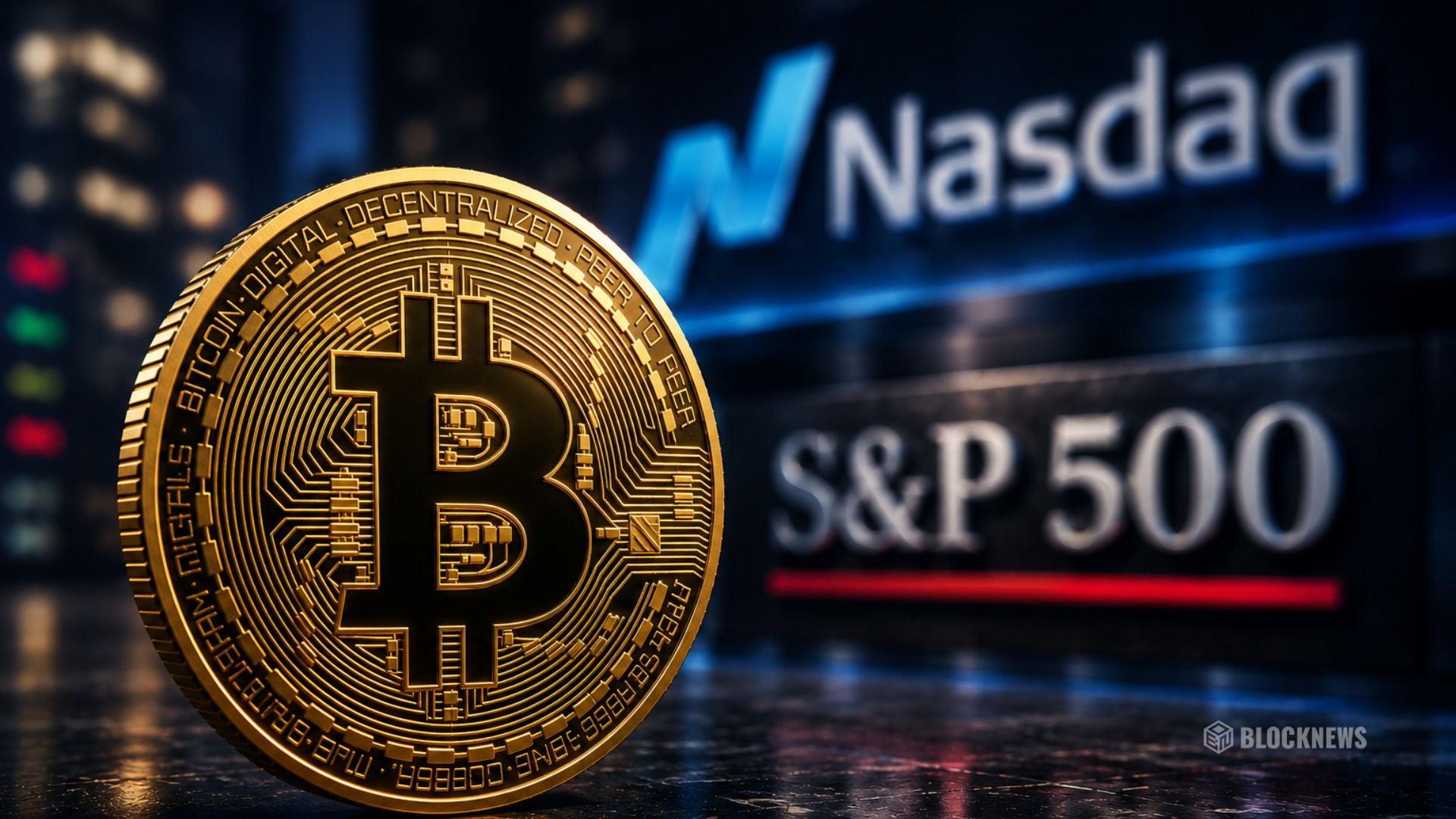
Binance pulled the plug on its tokenized SpaceX IPO campaign after failing to secure enough actual SpaceX shares to back the offering. The exchange will refund all locked USDC deposits and distribute $1 million worth of bStocks SpaceX tokens (SPCXB) to participants as consolation.
The campaign had attracted roughly $557 million in commitments across nearly 27,700 on-chain addresses before the deadline. That is a staggering amount of capital chasing a tokenized version of what’s shaping up to be one of the biggest IPOs in history.
What happened and why it matters
Binance’s SPCXx IPO Campaign was designed to give crypto-native investors access to SpaceX equity through tokenized shares. The problem: you still need the actual stock underneath.
Binance couldn’t source enough underlying SpaceX shares to fulfill the demand from its users. The exchange isn’t alone in this predicament. Bybit and Bitget both faced similar shortfalls with their own tokenized SpaceX IPO allocation efforts.
SpaceX is preparing for a Nasdaq listing expected to price shares at $135, with the company aiming to raise $75 billion in total. That would put SpaceX’s valuation in the neighborhood of $1.75 trillion.
The refund and airdrop mechanics
All USDC that participants locked into the campaign will be returned in full. On top of the refund, Binance is distributing $1 million in SPCXB tokens across all campaign participants. Split across roughly 27,700 addresses, that’s around $36 per participant on average.
SPCXB, the bStocks SpaceX token, is slated for a future listing on Binance Spot trading.
Binance’s SPCXUSDT perpetual futures, which launched on May 21, have continued trading with strong volumes. For traders who just want to bet on SpaceX’s trajectory without owning the underlying asset, the perps remain available.
What this means for investors
The campaign had a deadline of June 12, and participants had their USDC locked up for some period before learning the whole thing was off. The $1 million airdrop is functionally minor — split across roughly 27,700 addresses, that’s around $36 per participant on average.
Disclosure: This article was edited by Editorial Team. For more information on how we create and review content, see our Editorial Policy.




 English (US) ·