
 3 months ago
73
3 months ago
73
TLDR:
- Binance recorded $1.2B in net stablecoin outflows in May, reversing two months of positive inflows.
- Bitcoin dropped 3.5% in May while the S&P 500 and Nasdaq posted gains of 5.15% and 10.5% respectively.
- Binance stablecoin reserves have fallen from $51B to $44B since November 2024, a decline of 13.7%.
- Analysts describe Bitcoin’s current rebound as technical, not backed by consistent liquidity-driven momentum.
Binance stablecoin outflows reached approximately $1.2 billion in May 2025, marking a sharp reversal from the two prior months of positive inflows.
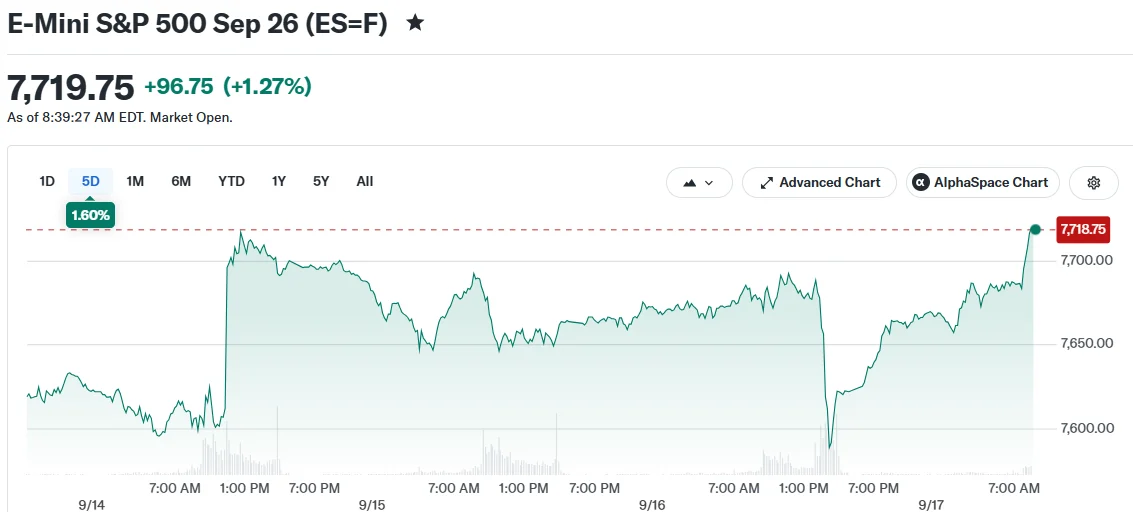
This shift came even as traditional equity markets posted strong monthly gains. The S&P 500 rose 5.15%, while the Nasdaq climbed 10.5%.
Bitcoin, however, closed the month down 3.5%, reflecting a disconnect between crypto and equities. Liquidity is not flowing into the digital asset market at this time.
Crypto Liquidity Fails to Follow Equity Market Rally
May’s outflows broke a two-month streak of positive stablecoin inflows on Binance. The exchange had recorded net inflows of $2.5 billion and $870 million in the two preceding months. The reversal points to a broader pullback in retail and institutional appetite for crypto exposure.
On-chain analyst Darkfost noted the trend on X, stating that “liquidity is simply not flowing into the crypto market at the moment.”
The monthly net stablecoin flows on Binance served as a clear measure of this slowdown. The data painted a straightforward picture of fading market participation.
 $1.2B Left Binance as Crypto Liquidity Continued to Fade in May.
The situation around the Strait of Hormuz gradually improved throughout May, helping both the S&P 500 and Nasdaq reach new highs, posting gains of 5.15% and 10.5% respectively during the month.
→ Bitcoin,… pic.twitter.com/O1yaoASUtU
— Darkfost (@Darkfost_Coc) May 31, 2026
Binance still holds the largest share of stablecoin reserves among exchanges. Its estimated market dominance stands at nearly 68%.
Despite this dominant position, total stablecoin balances on the platform have been declining for several months.
Since November 2024, Binance’s stablecoin reserves have dropped from $51 billion to $44 billion. That represents a fall of 13.7% over the period. The trend shows users are consistently withdrawing funds rather than deploying them into crypto positions.
Bitcoin’s Recovery Looks Technical Rather Than Liquidity-Driven
Bitcoin’s rebound from its correction lows appears to lack the liquidity support seen in late 2024. At that time, consistent stablecoin inflows backed the rally and pushed prices higher with stronger momentum. The current move does not yet show similar characteristics.
The earlier correction pushed Bitcoin into heavily oversold conditions, which likely triggered a technical bounce. Darkfost described the move as “a rebalancing move rather than the beginning of a new liquidity-driven uptrend.” That framing aligns with what the stablecoin flow data currently shows.
Investor attention, for now, remains directed toward equities rather than digital assets. The easing of tensions around the Strait of Hormuz helped lift stock markets in May. Crypto markets, however, did not benefit from the same sentiment shift.
Periods of low market interest have historically offered opportunities to build positions gradually. Monitoring stablecoin inflows and outflows remains one of the most reliable tools for tracking liquidity rotation.
A sustained return of inflows to exchanges like Binance would signal renewed conviction in the crypto market.
The post Binance Loses $1.2B in Stablecoin Outflows as Crypto Liquidity Dries Up in May appeared first on Blockonomi.





 English (US) ·