
 3 months ago
61
3 months ago
61
- Bitcoin dropped nearly 3% as rising bond yields pressured risk assets
- Inflation fears tied to oil prices and geopolitical tension weighed on crypto markets
- Strategy revealed it may potentially sell Bitcoin holdings to finance note repurchases
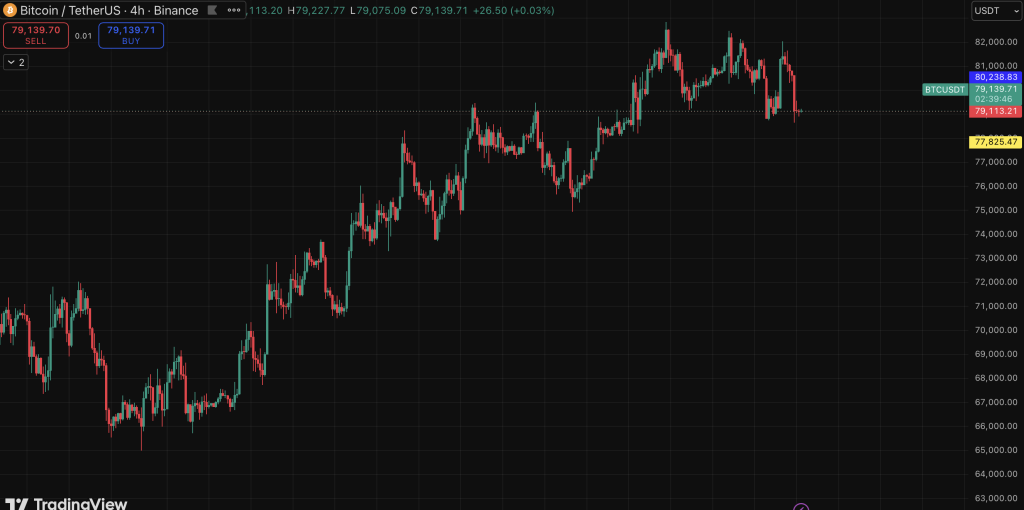
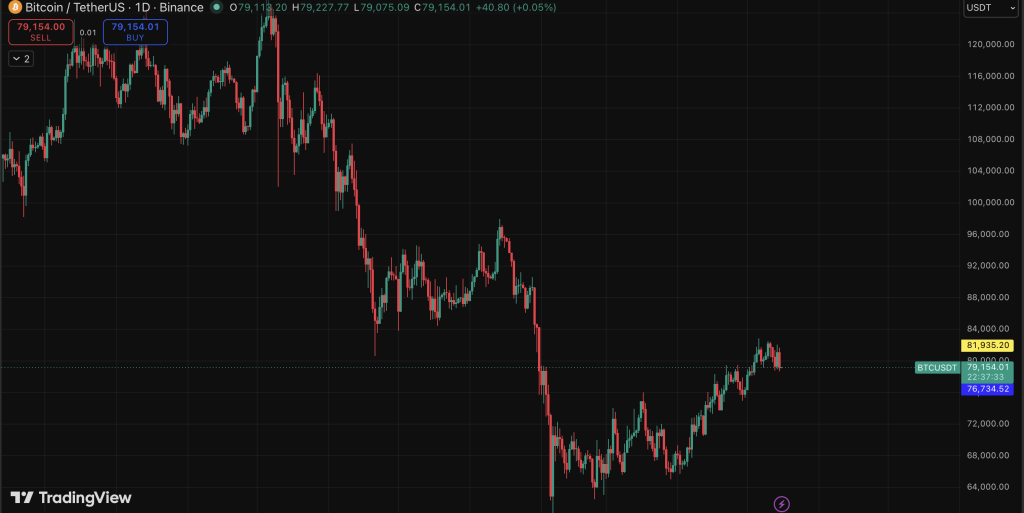
Bitcoin didn’t exactly behave like the market leader traders were hoping for as the weekend approached. After showing signs of strength earlier in the week, BTC suddenly slipped lower on Friday afternoon, falling nearly 3% as pressure across broader financial markets intensified.
At the time, Bitcoin was trading near the $79,000 region after pulling back sharply during late trading hours. While crypto volatility is nothing unusual, this particular decline appeared closely connected to rising stress in the bond market and fresh concerns tied to one of Bitcoin’s biggest corporate supporters.
The move also highlighted how sensitive crypto still remains to macroeconomic conditions, especially when investors begin rotating toward safer assets.
Rising Bond Yields Pressure Risk Assets
One of the biggest drivers behind Bitcoin’s decline was the sudden jump in bond yields. Bond prices and yields move in opposite directions, so when investors aggressively sell bonds, yields rise quickly. That’s exactly what happened Friday as markets reacted to ongoing geopolitical tension surrounding the Iran conflict and its growing impact on oil prices.
As oil climbed again, inflation fears started creeping back into investor thinking. Higher inflation expectations naturally increase speculation that the Federal Reserve may eventually keep interest rates elevated longer than expected — or potentially raise them again if conditions worsen.
That environment tends to hurt speculative assets like crypto. When government bonds begin offering stronger yields, some investors become less willing to take risks in volatile markets such as Bitcoin, altcoins, and growth stocks. It’s not always dramatic immediately, but the pressure builds fast when macro fears pile up together.
Strategy Filing Adds Another Layer of Concern
At the same time, Bitcoin traders were hit with another headline that added even more uncertainty to the market. Strategy, widely known as one of the largest corporate Bitcoin holders globally, disclosed in a regulatory filing that it may potentially sell part of its Bitcoin reserves.
The company revealed it had entered discussions with investors regarding repurchases of its 0% convertible senior notes. To finance those transactions, Strategy said it could use available cash, issue additional shares, or possibly sell portions of its Bitcoin holdings if necessary.
Now technically, the filing did not confirm an actual BTC sale. But even the possibility of a large holder reducing exposure was enough to make investors nervous, especially during an already fragile trading session. Markets usually react quickly whenever a major treasury holder hints at changing its Bitcoin strategy.
Could the Pullback Become an Opportunity?
Despite the short-term weakness, some analysts still believe the broader bullish structure around Bitcoin remains intact. Much of the current pressure appears tied to macro uncertainty rather than a fundamental collapse in crypto demand itself.
There’s also growing belief that tensions surrounding the Iran conflict may eventually cool down because prolonged instability continues damaging both sides economically. If geopolitical stress eases and bond markets stabilize again, some of the pressure weighing on Bitcoin could disappear fairly quickly too.
For long-term investors, that possibility is important. Sharp pullbacks driven by fear, rising yields, or geopolitical headlines have historically created buying opportunities for traders willing to stomach volatility. Of course, near-term conditions still look uncertain, and Bitcoin may continue facing turbulence if inflation fears worsen further.
But for now, many traders are viewing the current weakness less as panic and more as another reminder that crypto remains heavily connected to broader global markets, whether investors like it or not.
Disclaimer: BlockNews provides independent reporting on crypto, blockchain, and digital finance. All content is for informational purposes only and does not constitute financial advice. Readers should do their own research before making investment decisions. Some articles may use AI tools to assist in drafting, but every piece is reviewed and edited by our editorial team of experienced crypto writers and analysts before publication.








 English (US) ·