
 1 month ago
52
1 month ago
52
- Bitcoin briefly fell to $58,200 after new U.S. inflation data reinforced expectations of higher interest rates.
- The Fed’s preferred inflation gauge climbed to 4.1%, its highest level in more than three years.
- Persistent inflation could delay potential rate cuts, creating additional pressure on the crypto market.
Bitcoin came under renewed selling pressure on Thursday after fresh U.S. inflation data showed price growth remains stubbornly elevated. The world’s largest cryptocurrency briefly slipped to around $58,200 as investors reacted to the latest Personal Consumption Expenditures (PCE) report, the Federal Reserve’s preferred inflation measure.
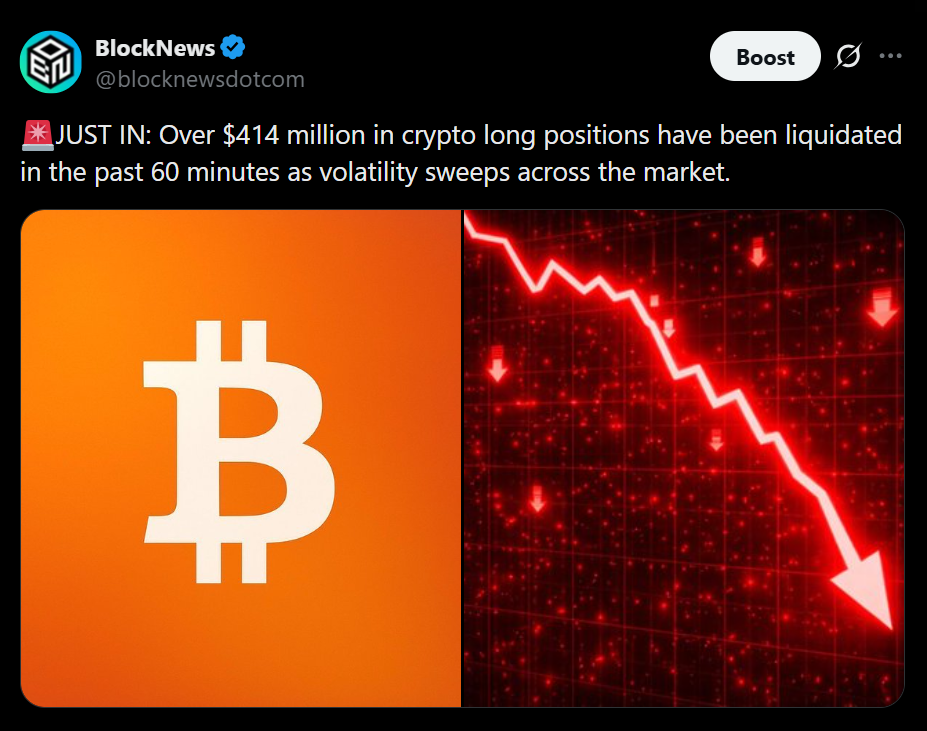
The decline highlights how closely cryptocurrency markets continue to track macroeconomic developments. While the inflation figures largely matched expectations, they reinforced concerns that the Federal Reserve may keep interest rates higher for longer, limiting liquidity for risk assets such as Bitcoin and the broader crypto market.
Inflation Remains Too High for the Fed
According to the latest data, the headline PCE price index increased 4.1% year over year in May, up from 3.8% in April and marking its highest reading in more than three years. On a monthly basis, inflation remained at 0.4%, driven largely by elevated fuel prices despite easing costs in several other sectors.
Core PCE inflation, which excludes food and energy prices, also edged higher to 3.4% from 3.3%. Although underlying inflation remains below the headline figure, it continues to sit well above the Federal Reserve’s long-term 2% target.
For crypto investors, persistent inflation is significant because it reduces the likelihood of near-term interest rate cuts. Higher borrowing costs generally reduce investor appetite for speculative assets, including Bitcoin and altcoins.
Bitcoin Reacts as Markets Reprice Rate Expectations
Bitcoin’s move lower reflects growing expectations that the Federal Reserve will remain cautious in the months ahead. Even though inflation data did not significantly exceed forecasts, markets interpreted the report as another sign that policymakers may delay easing monetary policy.
Historically, cryptocurrencies have performed best when liquidity is expanding and interest rates are falling. Until inflation moves convincingly lower, many analysts believe Bitcoin could continue experiencing heightened volatility as investors react to each major economic release.
The latest pullback also comes after several weeks of uncertainty surrounding inflation, geopolitical developments, and shifting expectations for Federal Reserve policy.
Economy Remains Resilient Despite Higher Prices
Despite persistent inflation, the broader U.S. economy continues to show signs of resilience. Disposable personal income increased 0.7% before inflation and 0.3% after adjusting for higher prices, while consumer spending rose 0.3%.
The Commerce Department also revised U.S. economic growth upward to 2.1%, citing a smaller impact from imports than previously estimated. The stronger economic outlook gives the Federal Reserve additional flexibility to maintain restrictive monetary policy if inflation remains elevated.
Although falling oil prices and improved shipping conditions through the Strait of Hormuz could help reduce inflationary pressure over the coming months, economists note that housing, healthcare, and electricity costs continue rising, making it more difficult for inflation to return quickly to target levels.
What Comes Next for Crypto?
The latest inflation report reinforces that macroeconomic data remains one of the biggest drivers of cryptocurrency prices. Investors will continue watching future inflation releases, labor market reports, and Federal Reserve commentary for clues about when interest rates could eventually begin moving lower.
Until then, Bitcoin and the broader crypto market may remain vulnerable to additional volatility as traders adjust expectations for monetary policy. While long-term sentiment toward digital assets remains constructive for many investors, the path forward is likely to depend heavily on whether inflation finally begins showing sustained signs of cooling.
Disclaimer: BlockNews provides independent reporting on crypto, blockchain, and digital finance. All content is for informational purposes only and does not constitute financial advice. Readers should do their own research before making investment decisions. Some articles may use AI tools to assist in drafting, but every piece is reviewed and edited by our editorial team of experienced crypto writers and analysts before publication.







 English (US) ·