
 1 hour ago
7
1 hour ago
7
Edin Dzeko, 40 years old and still lacing up boots for his country, walked along a metal fence in Toronto signing autographs for Bosnian fans who had traveled thousands of miles to watch their team play on the biggest stage in football. It was a scene that captured something deeper than sport: a diaspora reuniting around eleven players in matching kits.
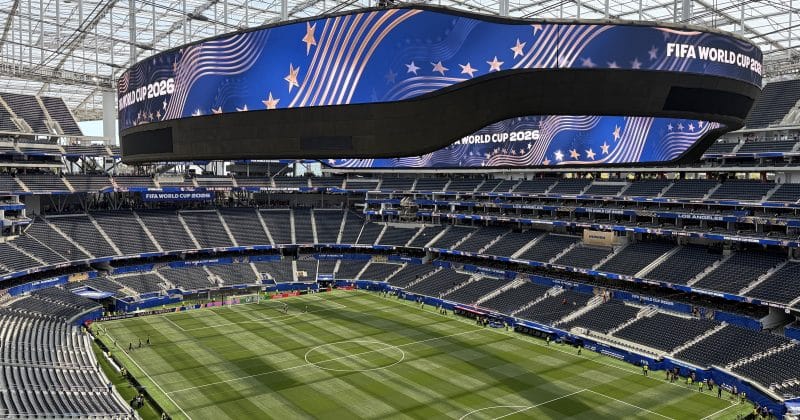
Bosnia and Herzegovina are back at the FIFA World Cup for just the second time in their history, opening against co-host Canada on June 11, 2026. The last time they qualified was 2014 in Brazil. This time, they punched their ticket through the playoffs, defeating Italy in a penalty shootout, which is the kind of sentence that deserves to be read twice.
Where crypto meets the World Cup
FIFA’s digital collectibles infrastructure runs on Avalanche, using a custom blockchain built specifically for the tournament’s needs. That means everything from digital memorabilia to match-day activations is being processed on-chain.
Crypto exchanges have been prominently featured during tournament ceremonies and match-day activations.
The fan token ecosystem, powered largely by Chiliz, has become the standard infrastructure for most national team tokens at the tournament. Chiliz operates the Socios.com platform, which lets supporters buy tokens that grant voting rights on minor club decisions, access to exclusive content, and gamified engagement features.
Dzeko himself has been involved in Socios.com’s fan token promotions, lending his name and image to a platform that bridges traditional football fandom with blockchain-based participation.
Bosnia’s missing fan token
Despite the broader ecosystem’s growth, there is no dedicated fan token for Bosnia and Herzegovina. That’s a notable gap.
Other national teams at the tournament have launched their own tokens through Chiliz, giving fans a way to engage financially and emotionally with their squad. Bosnia’s diaspora, spread across Europe, North America, and Australia, represents exactly the kind of geographically scattered fanbase that fan tokens were designed to serve.
What this means for the fan token market
The World Cup has historically been a catalyst for surges in fan token trading activity. The pattern is straightforward: global attention on football drives curiosity about team-specific tokens, which drives volume, which drives price action.
Chiliz, the underlying token powering the Socios platform, tends to benefit most directly from these attention cycles. Its role as the base-layer infrastructure for fan tokens means that any increase in token creation or trading activity flows back to CHZ demand.
Avalanche’s involvement as FIFA’s blockchain partner is worth monitoring separately. The network’s custom chain for digital collectibles puts it in direct competition with other layer-1 platforms angling for sports and entertainment partnerships.
Fan tokens have historically struggled with sustained engagement between major tournaments. The challenge isn’t generating excitement during the World Cup. It’s keeping token holders engaged during a random Tuesday in October when their team is playing a friendly against Luxembourg.
Disclosure: This article was edited by Editorial Team. For more information on how we create and review content, see our Editorial Policy.

 English (US) ·