
 1 hour ago
15
1 hour ago
15
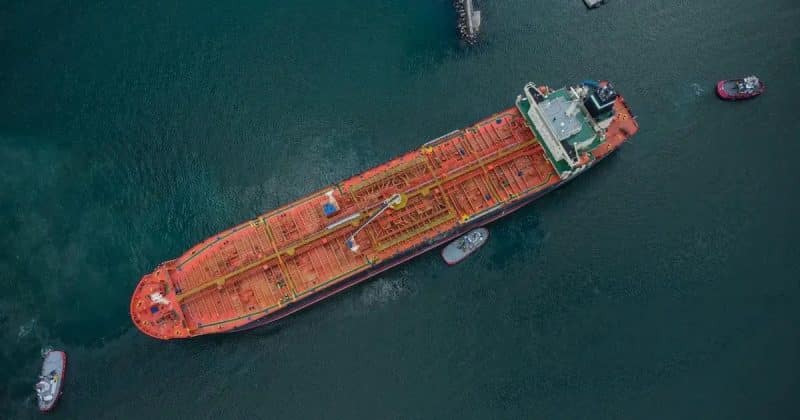
Brent crude dropped below $80 a barrel for the first time in over three months after the United States and Iran struck a memorandum of understanding to reopen the Strait of Hormuz. The waterway handles roughly 20% of the world’s oil supply, and its reopening would represent one of the most consequential geopolitical shifts in global energy markets this year.
The deal, reached on June 14-15, sent shockwaves through commodities desks and trading floors alike. It also gave crypto markets a surprising jolt of optimism, with Bitcoin climbing to approximately $65,800, a two-week high, as traders recalibrated their inflation expectations.
What the deal actually means for oil markets
Brent crude settled at roughly $83.17 on June 15, already marking a three-month low before sliding further toward $80. WTI crude fell to around $80.75 on the same day.
Goldman Sachs wasted no time slashing its Q4 2026 Brent forecast from $90 per barrel down to $80. That $10 haircut from one of Wall Street’s most-watched commodity desks signals that institutional money sees this deal as durable, not just a headline.
A formal signing ceremony is scheduled for June 19 in Geneva. The expectation is that the Strait would be fully reopened within 30 days of the deal being finalized.
Why crypto traders are paying attention to an oil deal
Bitcoin’s climb to approximately $65,800 on June 15 was directly attributed to this chain of logic. Traders saw the oil deal, did the mental math on inflation expectations, and bid up digital assets accordingly.
That said, the rally came with a notable asterisk. There were signs of profit-taking across Bitcoin, Ether, and Solana ahead of the Geneva signing ceremony.
The bigger macro picture for digital assets
Goldman Sachs cutting its year-end Brent target to $80 from $90 isn’t just an oil call. It’s implicitly a call on the macro environment, one where energy-driven inflation is less of a threat and central banks have more flexibility.
The more immediate concern for investors is execution risk. A memorandum of understanding is not a signed treaty. Any breakdown in talks before June 19 could send oil prices snapping back higher and drag risk assets lower in the process.
Traders watching this space should keep their eyes on two things: the Geneva outcome on June 19, and the first round of inflation data that captures the oil price decline.
Disclosure: This article was edited by Editorial Team. For more information on how we create and review content, see our Editorial Policy.





 English (US) ·