
 2 months ago
38
2 months ago
38
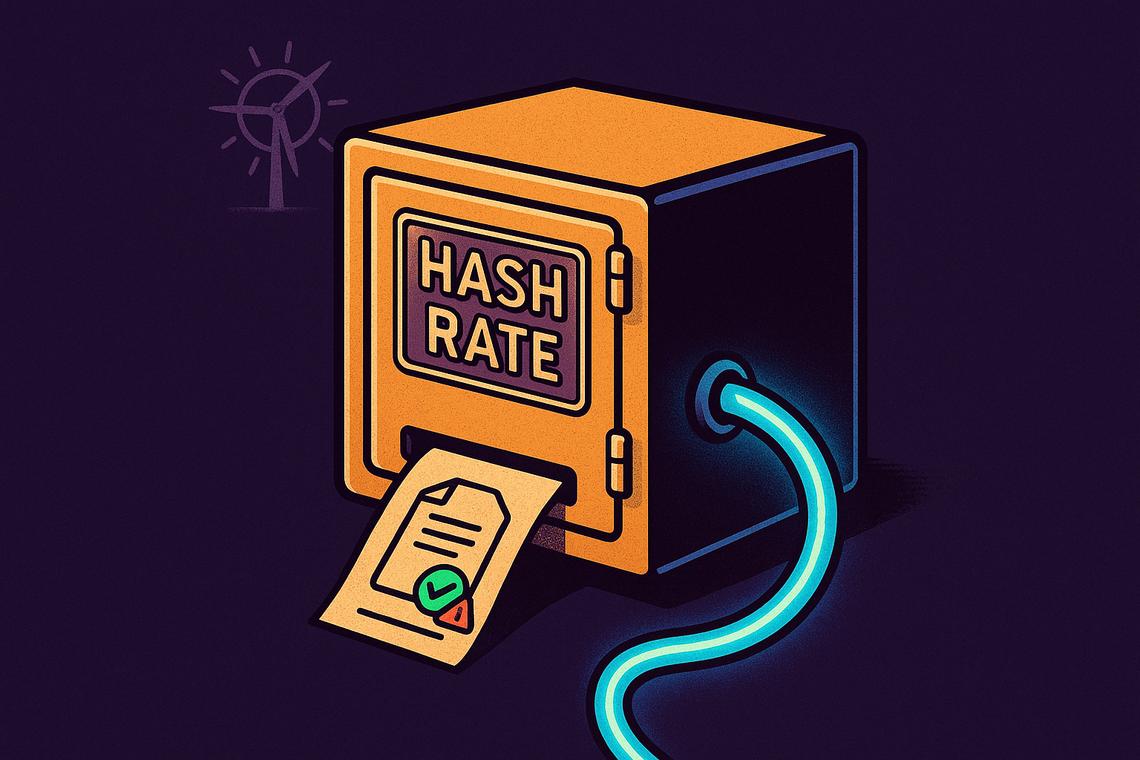
Bitcoin mining financialization is no longer a fringe idea inside crypto. Instead, it is moving to the center of a new pitch for the industry: turn mining from a simple hunt for coins into a structured business built on energy, hardware, and financial products tied to hash rate.
That shift is being framed through the rise of a broader BTC Ecosystem model, where mining is bundled with infrastructure, capital allocation, and long-term energy strategy. In practice, the argument is less about how many Bitcoin a machine can produce and more about how mining capacity itself can become a financial asset.
It also helps explain why names like Bitmain and AntPool are being pulled into a wider conversation about where the sector goes next. The message is clear: the future of mining may depend as much on power contracts, cooling systems, and balance-sheet design as on the machines doing the work.
Bitcoin mining financialization is reshaping the BTC Ecosystem
From mining coins to financializing hash rate
At the heart of this push is a simple but important change in framing. The BTC Ecosystem model describes Bitcoin mining as part of a larger system focused on hash rate financialization and infrastructure integration.
That marks a break from the older model of mining and selling coins. In this newer version, mining capacity is treated less like raw industrial output and more like a platform layer that can be packaged, allocated, and potentially tied to broader services across the Bitcoin economy.
Why this matters is straightforward. As mining gets more competitive, the edge no longer comes only from owning machines. It also comes from controlling efficient infrastructure, securing energy at scale, and finding ways to make hash power work as a more flexible financial product.
The broader story is about maturation. Bitcoin mining financialization suggests the sector is trying to look more like energy infrastructure and less like a speculative side business. For investors and operators, that could reshape how mining projects are valued and how capital flows into them.
Who is behind BTC Ecosystem
Operator and regulatory setup
BTC Ecosystem is operated by ADAPT ECOSYSTEM PTY LTD. The company is described as Australia-registered and overseen under the Australian Securities and Investments Commission, or ASIC.
Its operations are presented as renewable-powered mining across Texas, Canada, and Australia. That geographic spread matters because the mining business increasingly lives or dies on power access, cost stability, and the ability to keep fleets running under different regional conditions.
Texas is part of that footprint, alongside Canada and Australia, giving the operation exposure to multiple energy environments rather than a single-site strategy. In this model, renewable mining is not just a branding choice. It is positioned as a core infrastructure advantage.
That is another reason this story has drawn attention. ESG compliance and institutional adoption are both part of the conversation around the sector’s next phase. If mining groups can present themselves as energy-disciplined infrastructure plays, they may become easier for larger pools of capital to evaluate.
Why the hardware matters
Bitmain AntPool and the case for liquid cooling
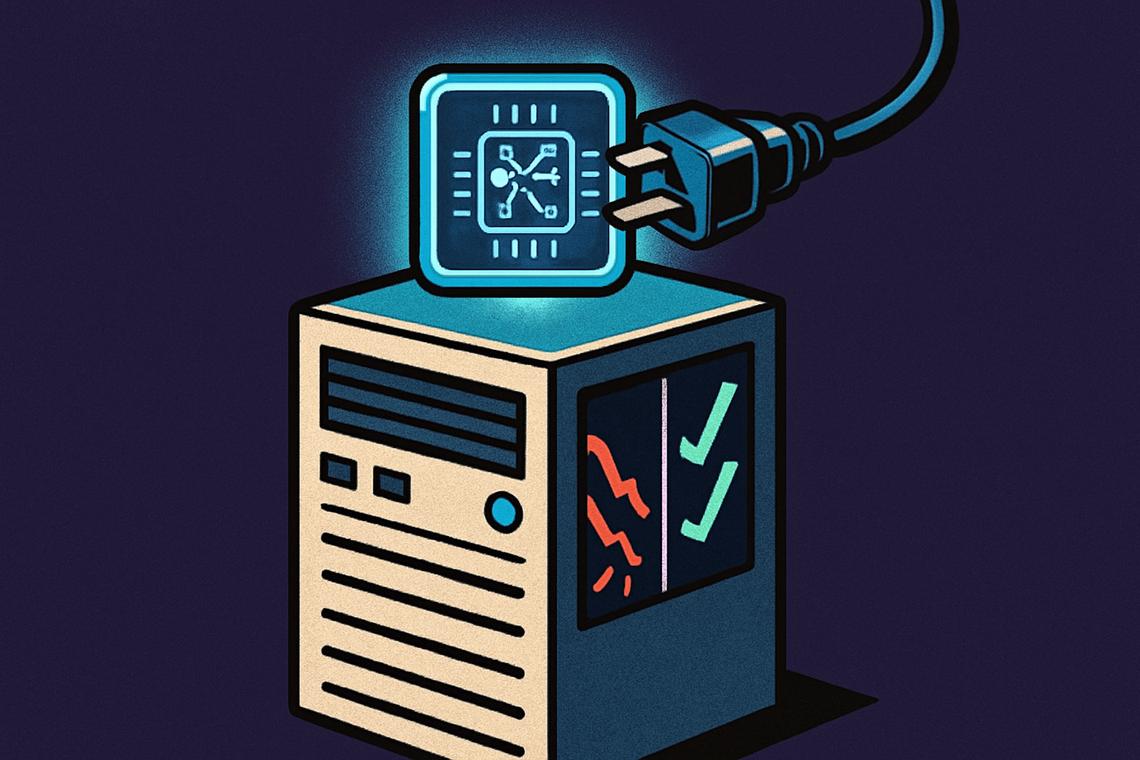
Any attempt to build a financially structured mining business still depends on machine performance. Bitmain’s Antminer S21 Pro series is cited with an energy efficiency ratio below 15J/T, a figure that sits at the center of the efficiency case.
In practical terms, better efficiency can change the economics of an entire site. When mining margins tighten, power use becomes one of the clearest dividing lines between profitable and unprofitable operations.
AntPool and partners are also described as accelerating liquid-cooling infrastructure deployment. That points to a broader effort to industrialize mining fleets, extending hardware life and pushing for steadier performance in large-scale environments.
The strategic implication is bigger than hardware specs. If mining is moving toward Bitcoin mining financialization, then efficient machines and cooling systems are not side details. They are the base layer that makes the financial model possible. A hash-rate product only works if the underlying mining infrastructure is durable, efficient, and scalable.
The same goes for infrastructure integration. The article ties Bitmain and AntPool to a wider BTC Ecosystem strategy, reinforcing the idea that the competitive advantage now comes from combining hardware, operations, and capital structure rather than relying on any one piece alone.
Renewable mining is becoming part of the investment case
BTC Ecosystem says it uses renewable-powered mining operations in Texas, Canada, and Australia. That regional setup is central to how the project presents itself.
For mining operators, access to renewable energy can serve two purposes at once: lowering long-term operating pressure and helping meet the ESG expectations that increasingly shape institutional interest. In that sense, renewable mining is being treated less as an add-on and more as part of the core economics.
This is where the industry shift gets more interesting. Bitcoin mining financialization depends on predictability. Investors typically want infrastructure that looks stable, measurable, and repeatable. Renewable-powered operations, paired with newer ASIC hardware and cooling systems, are being positioned as a way to create that stability.
At the same time, the sector still faces a familiar tension. As more mining capacity gets organized through large operators and integrated systems, decentralization concerns do not go away. The article notes that hashrate decentralization remains a live issue even as bigger players improve efficiency and tighten coordination.
The investment pitch and its limits
Contract tiers, withdrawals, and market claims
BTC Ecosystem also presents mining through contract-based participation. Among the listed tiers is a $15 welcome contract activated at signup, returning $0.53 per day and described as a daily settlement preview.
The platform says withdrawals become available once a balance reaches $100.
Other assets listed for deposits and payouts include BTC, ETH, USDT, LTC, BCH, XRP, SOL, and DOGE. That wider token support shows how some mining-linked platforms are trying to connect Bitcoin infrastructure with a broader crypto user base rather than limiting themselves to BTC alone.
Here is the basic structure presented:
- A $15 welcome contract returns $0.53 per day
- Withdrawals are available once a balance reaches $100
- Supported assets include BTC, ETH, USDT, LTC, BCH, XRP, SOL, and DOGE
Why this matters is that the industry is no longer marketing mining purely as a technical business. It is increasingly being presented as a financial product. That is a significant change in how mining is sold, understood, and integrated into the wider crypto economy.
Beyond machines: what comes next for Bitcoin mining financialization
One of the most notable parts of this shift is how mining is being recast as foundational infrastructure for a larger Bitcoin economy. The article describes future possibilities around Bitcoin Layer 2 activity and zero-knowledge proof computation, although it stops short of offering confirmed product details.
Even without leaning on those future-facing ideas, the immediate direction is clear enough. Mining is being pushed toward a model built on hash rate financialization, renewable-powered deployment, and deeper infrastructure integration. That puts BTC Ecosystem, Bitmain, and AntPool inside a wider effort to redefine what a mining business actually is.
And that may be the real turning point here: not just faster machines or cheaper power, but a new attempt to turn Bitcoin mining into an investable infrastructure class with its own financial logic.





 English (US) ·