
 1 month ago
42
1 month ago
42
- Bitcoin’s long-term growth still overshadows short-term price drops
- Its scarcity and utility give it an edge over traditional gold
- Real-world adoption as a payment method could unlock even bigger upside
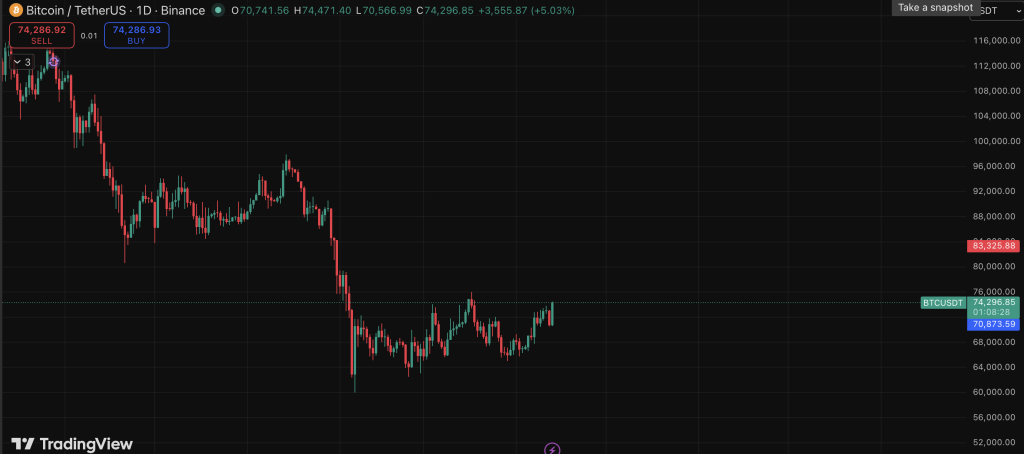
Bitcoin might still be sitting roughly 42% below its all-time high from last October, and yeah, that can mess with sentiment a bit. But zoom out… way out, and the picture looks almost unreal. A 17,000% return over the past decade isn’t just strong—it’s the kind of number that feels hard to even process properly. So while short-term dips grab attention, the real conversation is quietly shifting toward what the next ten years could look like, not the last few months.
Breaking Down the “Digital Gold” Narrative
The idea of Bitcoin as “digital gold” has stuck around for a reason, and honestly, it does make sense on the surface. Both are scarce, both are seen as stores of value, and both carry this almost psychological weight in markets. Gold has history on its side, no question, but Bitcoin… well, it starts to pull ahead in other ways. It’s easier to move, easier to verify, divisible down to tiny units, and actually usable in transactions if needed.
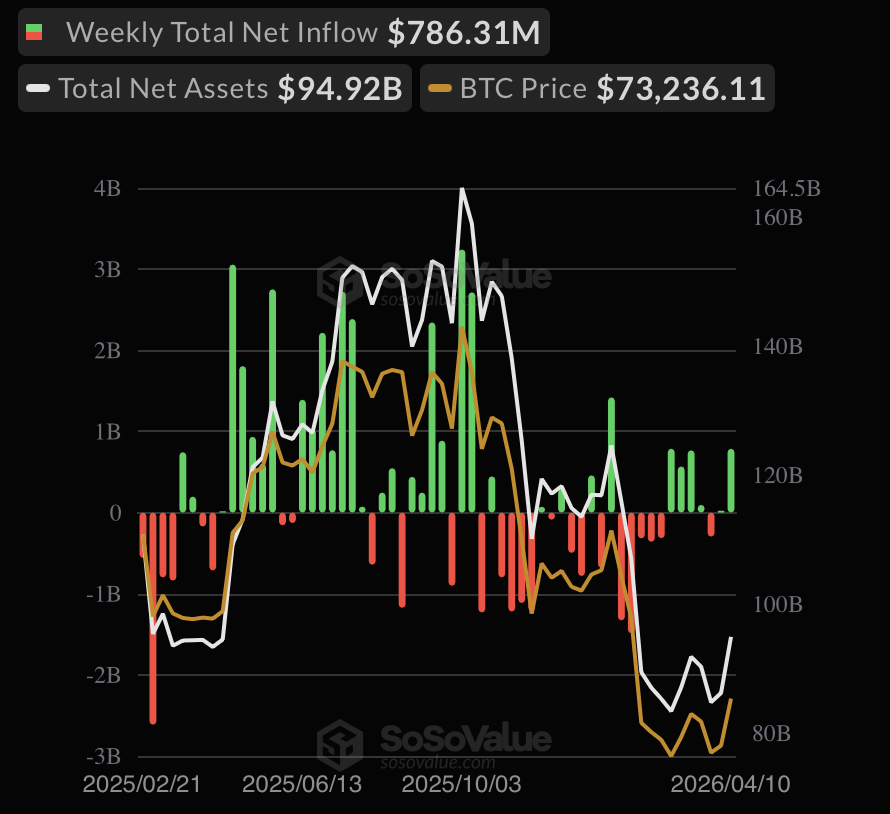
There’s also the supply angle, which feels kind of underappreciated. Gold supply can still shift depending on mining discoveries, while Bitcoin is locked at 21 million, full stop. Around 23% of gold hasn’t even been mined yet, whereas less than 5% of Bitcoin remains. If you follow that logic through, it’s not crazy—maybe a bit bold, but not crazy—to imagine Bitcoin slowly eating into gold’s $33 trillion market cap over time. Even reaching half of that would push Bitcoin’s value up dramatically, potentially landing somewhere near $800,000 per coin by 2036.
The Shift Toward Real-World Usage
But the story doesn’t end with “digital gold,” not really. There’s another layer here, and it’s about Bitcoin actually being used, not just held. If Bitcoin starts functioning more like a true medium of exchange, things could get interesting fast. That shift—from store of value to everyday utility—might unlock a whole different level of growth that isn’t even fully priced in yet.
For that to happen, though, merchants need to step in. And slowly, they are. Accepting Bitcoin payments means lower fees compared to traditional processors, faster settlement times, and no chargeback headaches. It’s not perfect, sure, but the incentives are there. And once businesses start seeing the practical benefits, adoption could move quicker than people expect… or maybe not overnight, but gradually, almost quietly.
Why Adoption Could Change Everything
One of the more notable pushes in this direction is coming from Block, through its Square platform. By enabling Bitcoin payments for millions of merchants, it’s kind of laying the groundwork for broader acceptance. It’s not a full transformation yet, but it feels like a meaningful step—one of those shifts you only fully appreciate in hindsight.
If this trend actually picks up steam, then the upside for Bitcoin might go well beyond the “digital gold” thesis alone. That 11x growth scenario? It could end up being conservative. Because once an asset moves from being something people hold… to something people use daily, the dynamics change entirely, and the ceiling, well, it gets a lot harder to define.
Disclaimer: BlockNews provides independent reporting on crypto, blockchain, and digital finance. All content is for informational purposes only and does not constitute financial advice. Readers should do their own research before making investment decisions. Some articles may use AI tools to assist in drafting, but every piece is reviewed and edited by our editorial team of experienced crypto writers and analysts before publication.






 English (US) ·