
 7 hours ago
9
7 hours ago
9
Canadian Prime Minister Mark Carney has thrown his weight behind a memorandum of understanding between the US and Iran, describing it as a “well-structured” and “positive” agreement. The endorsement, delivered during the G7 summit in France, suggests growing consensus among Western leaders that the deal could meaningfully reshape the geopolitical landscape in the Middle East.
Here’s the thing: the formal text of the MoU still hasn’t been released to the public. Carney confirmed he had reviewed the terms himself, but the rest of us are working with broad strokes rather than fine print.
What’s actually in the deal
Based on what’s been disclosed, the MoU centers on several ambitious provisions. A proposed 60-day ceasefire sits at the core of the agreement, aimed at de-escalating a region that’s been running hot for months.
Beyond the ceasefire, the deal reportedly includes measures designed to halt Iran’s nuclear weapon ambitions. That alone would make it one of the most consequential diplomatic frameworks since the original JCPOA was signed back in 2015.
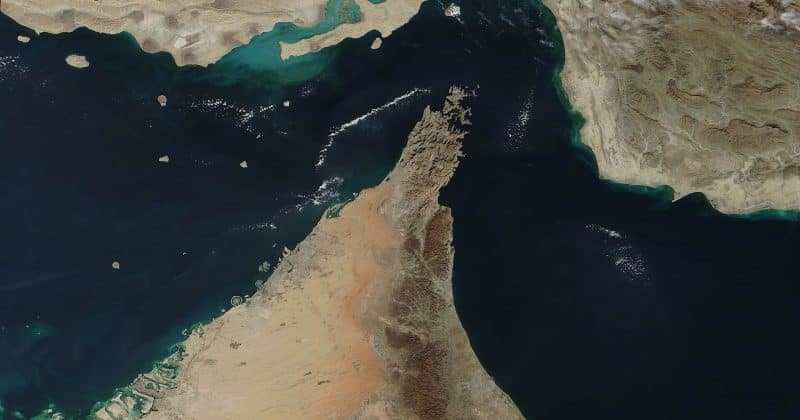
The agreement also reportedly addresses the conflict in Lebanon and the reopening of the Strait of Hormuz. Iran had reportedly closed the strait, a chokepoint through which a massive share of global oil flows.
Perhaps the most interesting structural element is financial. The MoU reportedly ties economic incentives directly to Iran’s compliance with the deal’s stipulations.
Carney’s endorsement wasn’t delivered in a vacuum. Canada has reportedly supported US diplomatic efforts in this direction since February 2026, making his comments at the G7 summit more of a public confirmation than a surprise pivot.
The G7 context and broader diplomatic picture
Speaking on CNN during the G7 summit in France, the Canadian prime minister framed the MoU as something that could deliver real regional stability. The MoU is widely viewed as a response to escalating tensions between Iran, the US, and Israel, with the Strait of Hormuz closure serving as one of the most visible flashpoints.
What this means for investors
For traditional markets, the implications are straightforward. A reopened Strait of Hormuz would ease pressure on global oil prices.
For crypto specifically, there is nothing in the disclosed provisions of the MoU that touches digital assets, blockchain infrastructure, or cryptocurrency regulation. This is a geopolitical agreement, not a financial technology framework.
The absence of the formal MoU text is worth watching closely. Until those terms are public and verifiable, markets are pricing in expectations rather than certainties.
Disclosure: This article was edited by Editorial Team. For more information on how we create and review content, see our Editorial Policy.




 English (US) ·