
 3 weeks ago
44
3 weeks ago
44
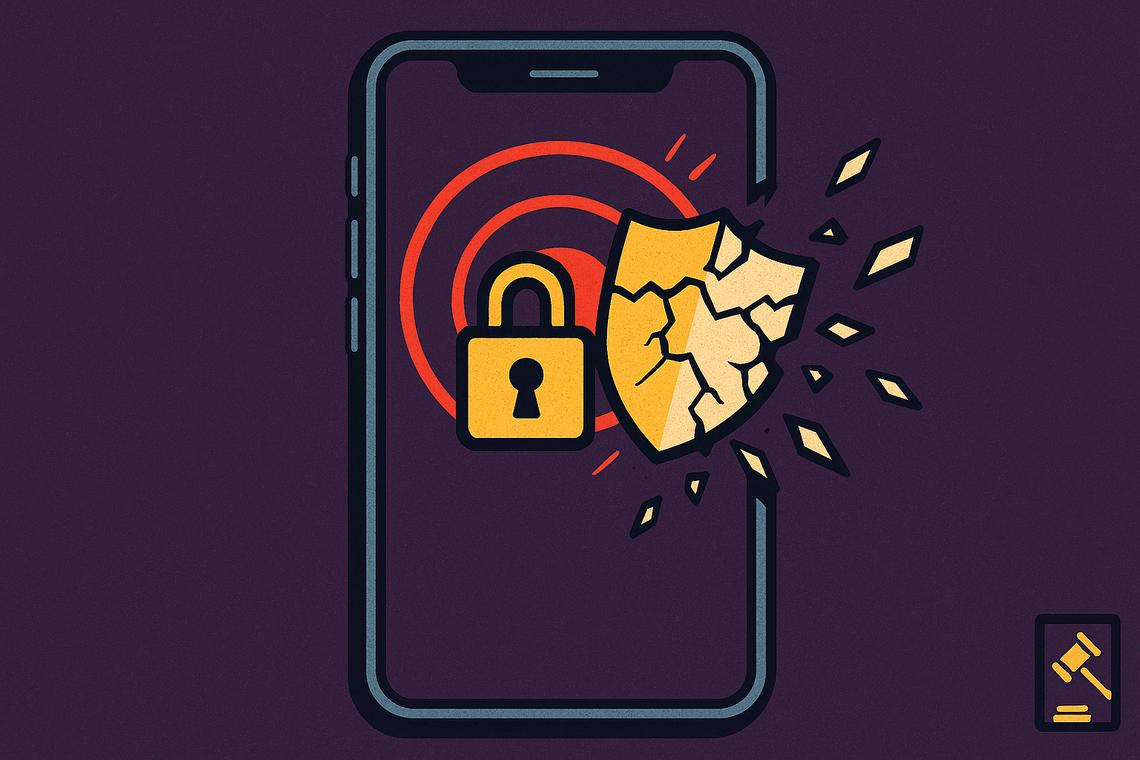
When millions of Americans — many of them without traditional bank accounts — downloaded Cash App and started treating it as their primary financial home, they were told it was as safe as a bank. Regulators say that promise was false. Now, Block Inc., the Jack Dorsey-led company behind Cash App, has agreed to pay $45 million to settle allegations brought by nearly every U.S. state, resolving one of the most significant consumer protection actions ever taken against a mobile payments platform.
Key takeaways
- Block Inc. agreed to a $45 million settlement with regulators from almost every U.S. state over Cash App fraud protection failures.
- Regulators alleged Cash App was marketed as being as secure as a traditional bank, a claim investigators say was misleading.
- The company was accused of lacking a consistent fraud detection system and failing to operate a functioning scam-reporting hotline.
- The “Cash App Friday” social media promotion was exploited by fraudsters who tricked users into surrendering their login credentials.
- As part of the settlement, Block must provide 24/7 live customer support and stop making false security claims about the app.
Block Inc. Agrees to $45 Million Settlement Over Cash App Fraud Allegations
The settlement, announced Wednesday by the New York Attorney General’s Office, caps an investigation that found Block had created a dangerous gap between what Cash App promised users and what it actually delivered in fraud protection. Shares of Block dropped roughly 1.5% on the day the news broke.
New York Attorney General Letitia James framed the issue in direct terms: “New Yorkers were promised that Cash App was a safe and secure platform to send money, but in reality, the app exposed them to rampant fraud.” Her office alleged that Block marketed Cash App as offering consumer protections comparable to those of a traditional bank — a positioning that shaped how tens of millions of users managed their money, often their only financial lifeline.
Misleading Security Promises at the Core of the Case
The allegation isn’t just that fraud happened. Fraud happens across every financial platform. The more pointed charge is that Block actively misled users about their level of protection, letting them believe they had banking-grade safeguards when the underlying infrastructure didn’t match that marketing. For users who had no other financial account — who relied entirely on Cash App to receive paychecks, pay bills, and store savings — that gap carried real consequences.
Regulators say that as fraud rose, Block didn’t respond with better protections. Instead, it pivoted to more marketing, leaving users exposed while the company continued to grow.
Allegations of Inadequate Fraud Protection and Customer Support
Two specific operational failures sit at the center of the settlement: Block allegedly lacked a consistent fraud detection system, and Cash App failed to provide a functioning customer hotline where users could report scams.
A Fraud Detection System That Wasn’t Consistent
Regulators alleged that Block never built a reliable, uniform framework for catching fraudulent activity on the platform. For a service handling billions of dollars in peer-to-peer transactions, that is a foundational gap. Without consistent detection, scammers could operate with a degree of predictability that a properly structured system would have disrupted.
No Real Help Line When It Mattered Most
Perhaps the most visceral failure: when users did get scammed, Cash App didn’t have a functioning hotline they could actually reach to report it. For someone who just lost money they couldn’t afford to lose — possibly money held in an account that functioned as their only bank — finding no live support on the other end was not just frustrating. It was financially devastating.
Targeting Vulnerable Customers and Exploited Promotions
The allegations take on a sharper edge when you consider who Cash App’s primary users were. Regulators alleged that Block deliberately targeted unbanked and underbanked customers, people who had been locked out of traditional banking and for whom Cash App wasn’t a secondary tool — it was their main financial account.
How “Cash App Friday” Became a Fraud Vector
The company ran a social media promotion called “Cash App Friday,” which gave users the chance to win prizes by publicly posting their unique app identifier. The mechanics of that promotion created an obvious vulnerability. Fraudsters monitored those posts, contacted users directly, told them they had won, and then tricked them into handing over their login credentials.
What makes this particularly damaging is what regulators say happened next: Block was aware these scams were occurring but continued running the promotion anyway. The company reportedly trained staff to expect calls from defrauded customers — an internal acknowledgment that fraud was a predictable outcome, not an anomaly.
That detail is analytically significant. Knowing a promotion is being systematically exploited and continuing it anyway — while simultaneously marketing the platform as bank-level secure — is the kind of disconnect that tends to define regulatory cases like this one. It shifts the narrative from negligence to something that looks more like informed inaction.
Settlement Terms and Company Response
Under the terms of the consent judgment, Block must now maintain customer support services capable of resolving fraud complaints and other issues, and must offer live support 24 hours a day. The company must also stop making claims about Cash App’s purported safety that aren’t substantiated.
Block’s Denial and What It Means Going Forward
Block denies wrongdoing. A company spokesperson described the settlement as resolving “a previously disclosed legacy matter that primarily relates to historical aspects of our business,” adding that Cash App has made “significant investments in consumer protection, customer service, and compliance.” The company framed its current operations as substantially different from the practices at the center of the investigation.
That framing is a standard corporate settlement posture, but it carries its own strategic weight. By characterizing the failures as historical, Block is implicitly arguing that its current platform has already moved past the problems regulators identified. That claim will now be tested in public — by users, by journalists, and by regulators who know exactly what the baseline looked like before the settlement.
For the millions of Americans who use Cash App as their primary financial tool, the question isn’t whether Block’s lawyers drafted the right statement. It’s whether the 24/7 hotline actually answers, whether the fraud detection now actually works, and whether the gap between the marketing and the reality has genuinely closed — or just been papered over with a $45 million check.
FAQ
Why did Block Inc. settle for $45 million?
Block settled after allegations from nearly every U.S. state that it misled Cash App users about security and failed to adequately protect customers from fraud.
What fraud protection failures were alleged against Cash App?
Regulators alleged Block lacked a consistent fraud detection system and failed to provide a functioning scam-reporting hotline for users who had been defrauded.
How did the “Cash App Friday” promotion contribute to user scams?
Fraudsters exploited the promotion by monitoring public posts from users who shared their app identifiers, then contacting those users, falsely telling them they had won prizes, and tricking them into revealing their login information.
What changes did Block agree to as part of the settlement?
Block agreed to provide 24/7 live customer support for fraud complaints and other issues, and to stop making false or unsubstantiated claims about Cash App’s security.
Article produced with the assistance of artificial intelligence and reviewed by the editorial team.




 English (US) ·