
 3 weeks ago
53
3 weeks ago
53
The regulatory fallout from the Celsius collapse has reached its final chapter — at least as far as the Federal Trade Commission is concerned. Two more of the platform’s co-founders have now settled with federal regulators, closing a case that once seemed almost impossibly large in scope, given that customers lost access to roughly $4.7 billion when the crypto lending giant imploded in the summer of 2022.
Key takeaways
- Celsius co-founders Shlomi Daniel Leon and Hanoch “Nuke” Goldstein agreed to pay a combined $6.5 million to settle FTC fraud charges.
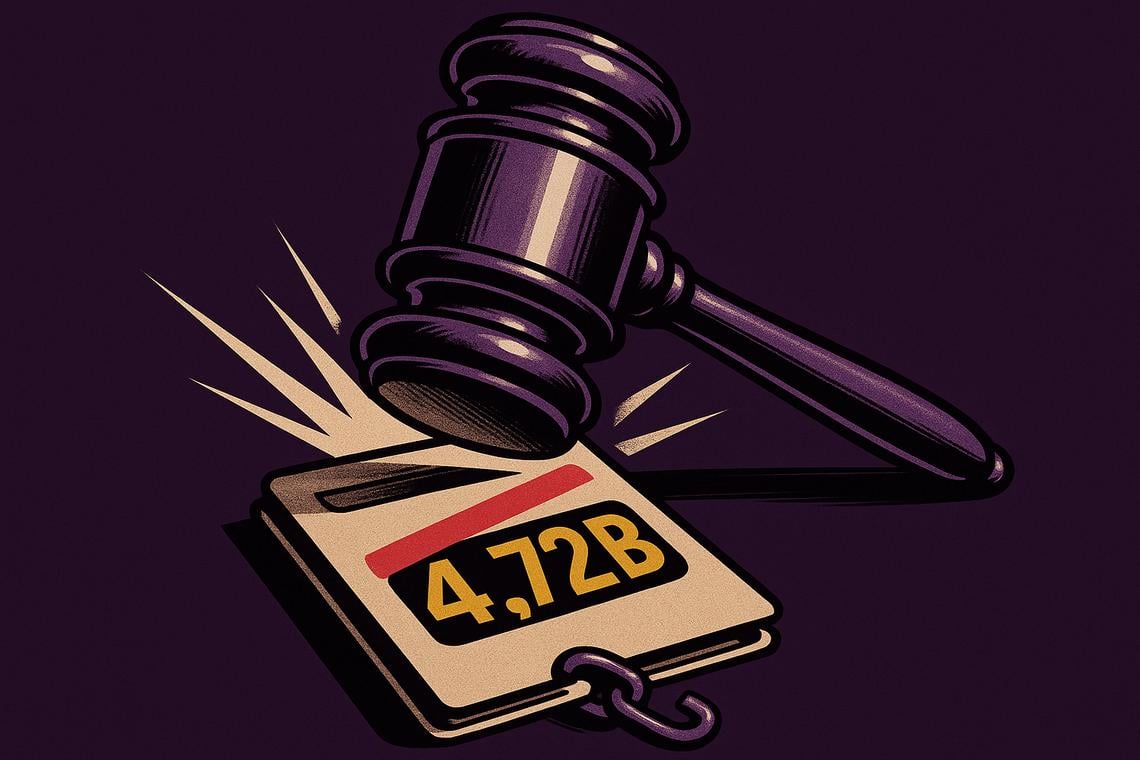
- A $4.72 billion judgment was entered against both Leon and Goldstein, mostly suspended as long as they comply with settlement terms.
- The FTC accused Celsius of falsely claiming deposits were covered by a $750 million insurance policy while secretly making $1.2 billion in unsecured loans.
- Former CEO Alex Mashinsky separately settled for $10 million and was sentenced to 12 years in prison in May 2025.
- Creditor recovery reached nearly 65% of eligible claims as of August 2025, following multiple distributions.
FTC Settlements and Financial Penalties for Celsius Founders
The Celsius FTC settlement involving the two remaining co-founders brings the total paid by all three named executives to $16.5 million. That figure, while significant for individuals, sits in stark contrast to the billions lost by ordinary customers — a detail that underscores the persistent gap between regulatory penalties and the actual scale of harm in major crypto collapses.
Details of Leon and Goldstein’s Settlement Payments
Shlomi Daniel Leon, who served as Celsius’s chief strategy officer, will pay $4.1 million under a court order entered by U.S. District Judge Denise Cote on June 29, 2026. Hanoch “Nuke” Goldstein, the platform’s former chief technology officer, will pay $2.4 million under a separate court order.
Beyond the cash penalties, a $4.72 billion judgment was formally entered against both men — a figure reflecting the consumer harm alleged by regulators. Most of that judgment is suspended, contingent on each co-founder meeting the terms of their respective settlements. Both are also permanently banned from marketing or selling crypto-related products and services.
Summary of Alex Mashinsky’s Settlement and Penalties
Former CEO Alex Mashinsky had already settled FTC charges in April 2026, agreeing to pay $10 million and accepting a permanent ban on promoting asset-related products. He also received a permanent trading ban from the Commodity Futures Trading Commission in a parallel civil enforcement action.
Mashinsky’s legal exposure didn’t stop there. In May 2025, a federal judge sentenced him to 12 years in prison after he pleaded guilty to commodities fraud and securities fraud. The court also ordered him to forfeit more than $48 million.
FTC Allegations of Fraud and False Claims by Celsius
The FTC filed its original case against Celsius and its executives in July 2023. The core accusation was straightforward but damning: Celsius systematically misled customers about the safety of their funds, while privately taking on enormous financial risk.
Misrepresentation of Customer Deposit Safety and Insurance
Celsius told customers they could withdraw their funds at any time and claimed their deposits were protected by a $750 million insurance policy. The company presented itself as safer than a traditional bank — a marketing message that apparently resonated with users who deposited billions onto the platform.
According to the FTC, no such insurance coverage existed. The policy Celsius cited was not in place, meaning customers who believed their funds were protected were operating on false information from the very start.
Unsecured Loans Contradicting Company Claims
Celsius simultaneously told customers it did not make unsecured loans. Regulators say that was also false. By April 2022 — just months before the collapse — Celsius had already made $1.2 billion in unsecured loans, directly contradicting its public-facing claims about how it managed customer deposits.
Executives’ Conduct Prior to Bankruptcy
Perhaps the most troubling allegation concerns the behavior of Celsius executives in the final days before the platform froze withdrawals. The FTC stated that company leadership continued to assure customers their deposits were safe even as Celsius was already moving toward bankruptcy. Celsius suspended withdrawals in June 2022 and filed for bankruptcy in July 2022, leaving customers unable to access approximately $4.7 billion in funds.
This pattern — reassuring users while internally the situation had already become critical — is precisely the kind of conduct regulators and prosecutors have spent the past four years trying to hold accountable. The combination of false insurance claims, undisclosed risky lending, and continued public reassurances forms the factual backbone of every enforcement action that followed.
Enforcement Actions and Legal Consequences for Founders
Bans on Marketing and Selling Crypto Products
The bans on Leon and Goldstein are not symbolic. Both men are prohibited from marketing or selling crypto-related products and services going forward — a restriction that effectively closes off the sector they built their careers in. Combined with the suspended judgment hanging over each of them, the compliance conditions create long-term legal exposure that could revive the full $4.72 billion liability if terms are violated.
Judgment Against Leon and Goldstein with Suspension Conditions
The structure of the $4.72 billion suspended judgment is notable. It acknowledges the scale of consumer harm while recognizing that Leon and Goldstein do not have the personal assets to satisfy anything close to that amount. Suspending the bulk of the judgment — contingent on compliance — is a mechanism regulators frequently use when full payment is not realistic but deterrence still matters.
Mashinsky’s Criminal Sentence and Commodity Trading Ban
Of the three co-founders, Mashinsky faced the heaviest legal consequences. A 12-year federal prison sentence for commodities and securities fraud, forfeiture of over $48 million, and permanent bans from both the FTC and the CFTC represent one of the most severe outcomes for a crypto executive in U.S. legal history.
Celsius Bankruptcy and Creditor Recovery Progress
Bankruptcy Filing and Customer Fund Freeze
At its peak, Celsius held around $25 billion in assets, making it one of the largest crypto lending platforms in the world. The June 2022 withdrawal freeze and subsequent July 2022 bankruptcy filing left hundreds of thousands of customers in legal limbo, unable to access their funds for months.
Ongoing Creditor Distributions and Recovery Percentage
Recovery has been slow but real. Celsius began a third creditor distribution of approximately $220.6 million in August 2025, pushing total recoveries to nearly 65% of eligible claims. While that figure represents meaningful progress for affected users, it also means more than a third of eligible claims remain unrecovered — a reminder that regulatory settlements, however significant symbolically, do not automatically translate into full financial restitution for ordinary creditors.
Closure of FTC Cases Against All Celsius Co-Founders
With the Leon and Goldstein court orders now in place, the FTC has formally settled with all three Celsius co-founders named in its 2023 case. It marks the end of a three-year enforcement campaign that unfolded alongside a criminal prosecution, a CFTC civil action, and one of the largest crypto bankruptcy proceedings in history.
What the FTC’s closure of its Celsius cases really signals is the shift from enforcement to precedent. The question now isn’t whether Celsius executives will face accountability — they have — but whether the combined weight of $16.5 million in FTC settlements, a 12-year prison sentence, and permanent industry bans will reshape how future crypto lending platforms represent their products to customers. For the hundreds of thousands of creditors still waiting to recover the remaining 35% of their eligible claims, that precedent may matter more than any single penalty figure.
FAQ
What penalties did Celsius co-founders Leon and Goldstein face in the FTC settlement?
They agreed to pay a combined $6.5 million in fines — Leon paying $4.1 million and Goldstein paying $2.4 million — and both are permanently banned from marketing or selling crypto-related products and services. A $4.72 billion judgment was also entered against them, mostly suspended pending compliance with settlement conditions.
What false claims did the FTC accuse Celsius of making?
Celsius falsely claimed that customer deposits were safe and insured under a $750 million policy, and that it did not make unsecured loans. In reality, no such insurance policy existed, and Celsius had already made $1.2 billion in unsecured loans by April 2022.
What was the outcome for former CEO Alex Mashinsky related to the Celsius collapse?
Mashinsky settled FTC charges with a $10 million payment and received permanent bans on promoting asset-related products. He also received a permanent trading ban from the CFTC and was sentenced to 12 years in prison in May 2025 after pleading guilty to commodities fraud and securities fraud, with a court-ordered forfeiture of more than $48 million.
How much have Celsius creditors recovered so far?
As of August 2025, creditor recovery reached nearly 65% of eligible claims following multiple distributions, including a third distribution of approximately $220.6 million that began in August 2025.
Article produced with the assistance of artificial intelligence and reviewed by the editorial team.






 English (US) ·