
 2 months ago
127
2 months ago
127
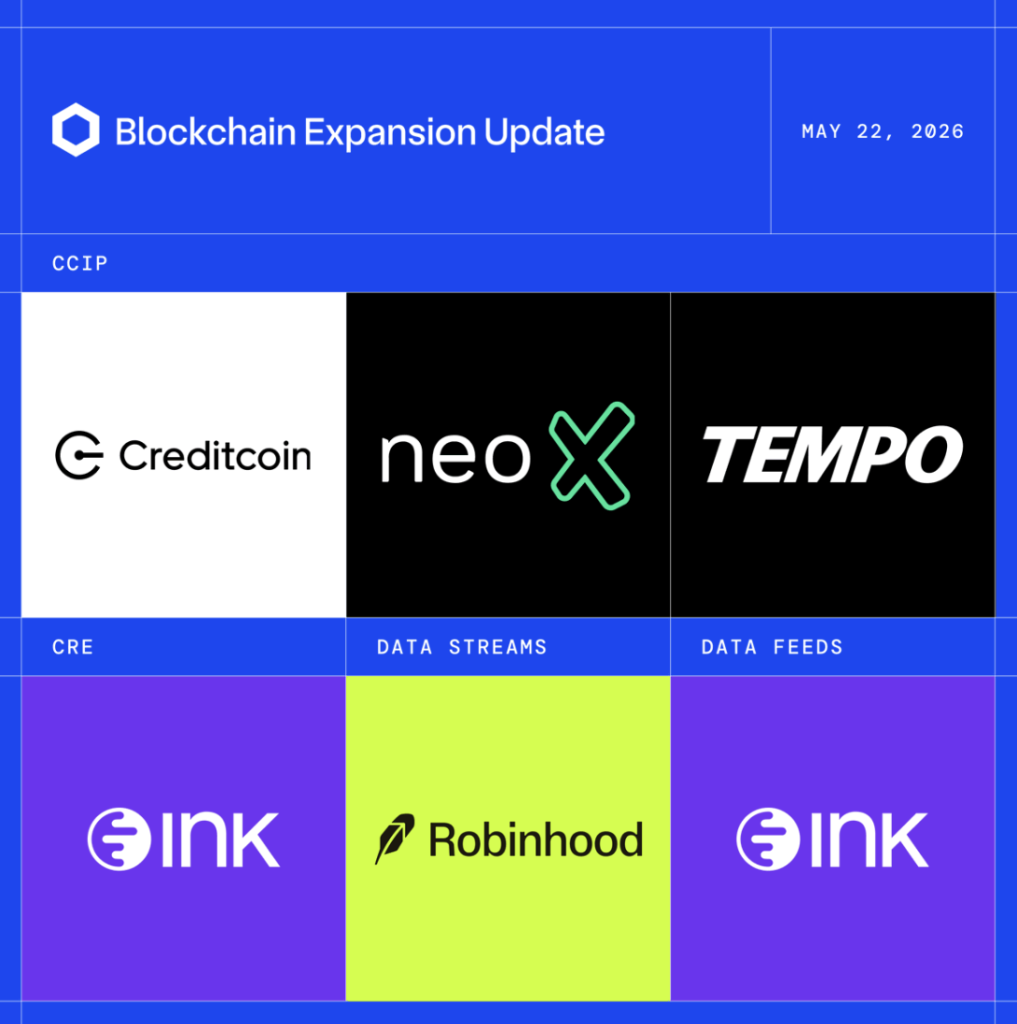
- Chainlink expanded CCIP, Data Feeds, Data Streams, and CRE services across multiple blockchains.
- New integrations include Creditcoin, Neo X, Tempo, Ink, and Robinhood Chain testnet.
- Chainlink continues positioning itself as key infrastructure for tokenized assets and cross-chain finance.
Chainlink is continuing its aggressive expansion push across the blockchain industry after recently hitting a major milestone in daily network activity. The latest ecosystem update, shared officially on May 22, revealed that Chainlink is now rolling out several of its core services across multiple blockchain networks as adoption around tokenized assets and multi-chain infrastructure keeps accelerating.
The expansion includes some of Chainlink’s most important products, including CCIP, CRE, Data Streams, and Data Feeds. As more blockchain ecosystems compete for institutional relevance and cross-chain liquidity, demand for secure interoperability and reliable data infrastructure has started growing rapidly. That’s exactly where Chainlink keeps positioning itself.
Over the last year especially, Chainlink has become deeply tied to the rise of tokenized finance and cross-chain communication systems. More protocols are now integrating its services not just for price feeds anymore, but for broader infrastructure support across decentralized finance, tokenized assets, and enterprise blockchain systems.
Chainlink Expands CCIP Across More Networks
One of the biggest parts of the latest update involves Chainlink’s Cross-Chain Interoperability Protocol, better known as CCIP. According to the announcement, Chainlink is extending CCIP support to Creditcoin, Neo X, and Tempo as part of its broader ecosystem growth strategy.
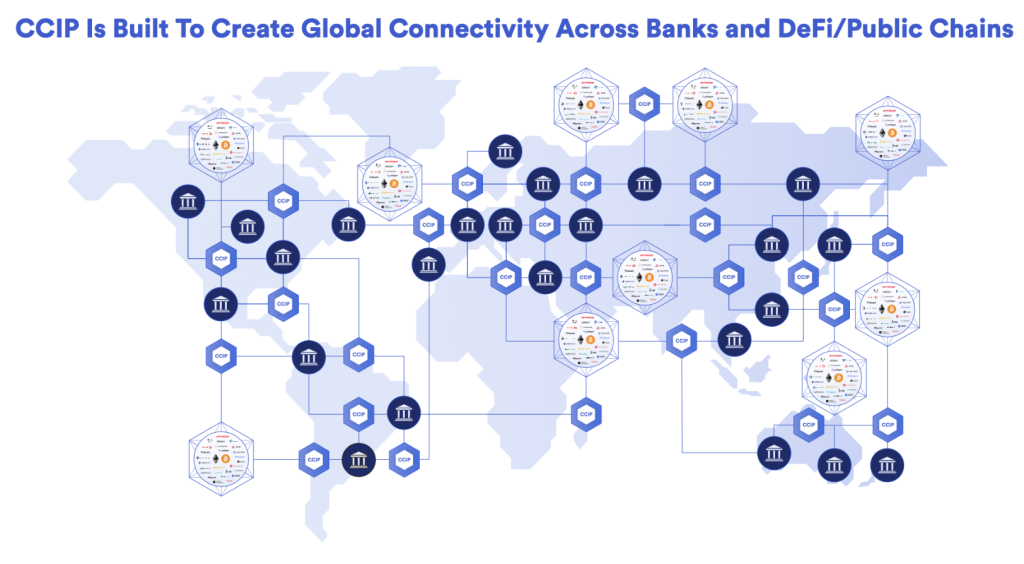
The move is important because CCIP has increasingly become one of Chainlink’s flagship products for secure blockchain interoperability. By integrating the protocol, blockchain ecosystems gain access to infrastructure that allows assets, messages, and liquidity to move more smoothly across different networks without relying on fragmented bridge systems.
That matters a lot as the crypto industry becomes increasingly multi-chain. Instead of isolated ecosystems competing separately, many projects now want secure communication between chains so tokenized assets and decentralized applications can operate across multiple networks at once.
Chainlink’s broader goal seems pretty clear here. The company wants to become the default interoperability layer powering cross-chain financial infrastructure, especially as institutions move deeper into blockchain-based settlement systems.
Ink and Robinhood Chain Join Latest Integrations
Alongside the CCIP expansion, Chainlink also revealed new integrations involving Ink. According to the update, Ink has now integrated Chainlink’s CRE services while also expanding support for Chainlink Data Feeds across the network.
This gives Ink stronger access to secure off-chain data and oracle infrastructure, something that’s increasingly necessary for decentralized finance applications and other onchain financial systems. Reliable external data remains one of the biggest requirements for blockchain-based financial products, and Chainlink continues dominating that segment almost quietly at this point.
The company also announced another notable collaboration involving Robinhood. Chainlink confirmed that its Data Streams product has now been deployed on the Robinhood Chain testnet, sparking excitement across parts of the crypto community.
That deployment could end up becoming pretty significant over time. Chainlink Data Streams are designed to provide real-time, low-latency market data, which is especially important for trading environments and institutional financial applications where speed and precision matter heavily.
Robinhood’s involvement also signals that larger financial platforms continue exploring blockchain infrastructure behind the scenes, even while broader market sentiment still fluctuates.
Chainlink Pushes Deeper Into Institutional Infrastructure
What makes this expansion cycle interesting is how much Chainlink’s role inside crypto has evolved. Years ago, the network was mainly viewed as a decentralized oracle provider. Now though, Chainlink is steadily becoming core infrastructure for tokenized assets, cross-chain settlement, and institutional blockchain communication.
The timing also lines up with growing industry demand around tokenized finance and multi-chain liquidity systems. As more institutions explore blockchain-based settlement and tokenized real-world assets, infrastructure providers capable of handling interoperability and reliable data become increasingly valuable.
Chainlink appears to be leaning directly into that trend. Its latest integrations across five different blockchain ecosystems suggest the company is trying to position itself not just as a supporting service, but as foundational infrastructure powering the next phase of blockchain finance.
At the same time, the expansion reinforces how competitive the blockchain infrastructure race has become. Networks no longer compete only on transaction speeds or fees anymore. Now they also compete on interoperability, enterprise compatibility, real-time data delivery, and institutional readiness.
LINK Ecosystem Momentum Continues Building
The recent expansion arrives shortly after Chainlink recorded a new all-time high in daily network activity, another signal that adoption across the ecosystem continues accelerating. Community sentiment around LINK has remained relatively strong as integrations and institutional partnerships keep increasing across multiple sectors of the crypto industry.
While price action across the broader market still remains volatile, Chainlink’s infrastructure growth story continues strengthening underneath the surface. The company’s growing involvement with tokenized assets, enterprise blockchain systems, and real-time financial data solutions could eventually become one of the more important narratives in the next stage of crypto adoption.
For now, Chainlink’s latest expansion across CCIP, Data Streams, Data Feeds, and CRE services shows one thing pretty clearly — the network is moving far beyond simple oracle services and deeper into the core infrastructure layer of the blockchain economy.
Disclaimer: BlockNews provides independent reporting on crypto, blockchain, and digital finance. All content is for informational purposes only and does not constitute financial advice. Readers should do their own research before making investment decisions. Some articles may use AI tools to assist in drafting, but every piece is reviewed and edited by our editorial team of experienced crypto writers and analysts before publication.




 English (US) ·