
 1 hour ago
24
1 hour ago
24
The world’s most important oil chokepoint has been quietly strangling global energy markets since February, and China’s top diplomat wants it open again, fast.
Chinese Foreign Minister Wang Yi made that case explicitly on June 24, pressing for the rapid restoration of normal navigation through the Strait of Hormuz during a phone call with Pakistan’s Deputy Prime Minister and Foreign Minister Mohammad Ishaq Dar.
Why the Strait of Hormuz matters more than most people realize
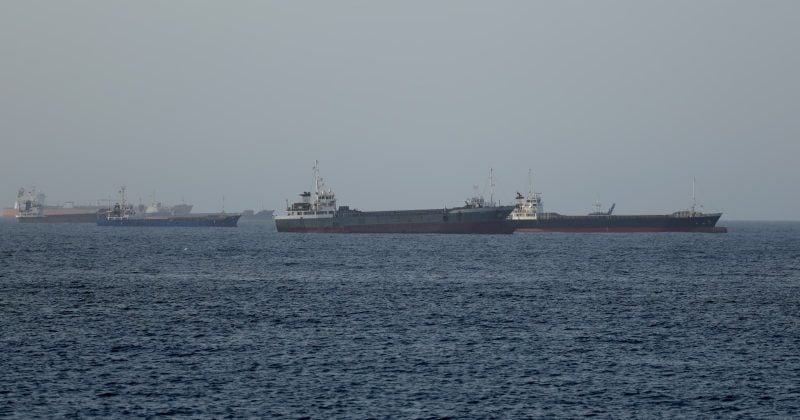
The Strait of Hormuz handles roughly 20% of global oil and LNG transportation. That pinch happened in earnest after US and Israeli strikes against Iran in late February 2026. Iran’s response included severe reductions in tanker traffic through the strait, disrupting supply chains that run from Gulf producers all the way to refineries across Asia and Europe.
As of late June, there are early signs of movement, literally. Three vessels carrying approximately 5 million barrels of crude oil have begun transiting the Gulf, a modest but meaningful signal that the complete blockage may be starting to ease.
Five million barrels sounds significant, but to put it in perspective, global oil consumption runs around 100 million barrels per day. This is a trickle, not a flood.
Wang Yi’s three-point framework and what it actually means
Wang laid out a structured set of priorities: first, a comprehensive ceasefire; second, the restoration of safe maritime passage through the strait; third, the development of a new regional security framework for the Middle East.
The phone call with Dar builds on earlier groundwork. Wang met with Iranian Foreign Minister Abbas Araghchi in Beijing on May 6, a meeting that signaled China was actively engaged in back-channel stabilization efforts even before the public diplomatic push of late June.
What this means for energy markets and investors
The early resumption of tanker traffic, however partial, does suggest the worst-case scenario of a complete, indefinite closure is receding. That matters for crude oil pricing, where uncertainty premiums have been baked in since February’s military escalation.
Wang framing the reopening as critical to stabilizing global industrial and supply chains is notable: it is, simultaneously, a humanitarian and trade argument, and a direct reference to China’s own manufacturing economy, which depends on stable energy inputs.
For investors in energy commodities, the key variables to track are the pace of tanker traffic resumption and whether a formal ceasefire agreement takes shape. A durable ceasefire that includes verified guarantees around maritime passage would likely trigger a meaningful unwinding of geopolitical risk premiums in oil markets. Energy stocks tied to Gulf production and LNG shipping would stand to benefit most directly from normalization.
Disclosure: This article was edited by Editorial Team. For more information on how we create and review content, see our Editorial Policy.





 English (US) ·