
 1 hour ago
24
1 hour ago
24
The AI arms race between Washington and Beijing just entered a new, messier chapter. China warned on July 27 that it will take all necessary measures to protect its AI companies and national interests if the US follows through on threatened sanctions, calling American allegations of intellectual property theft “baseless smears.”
The threat came six days after US Treasury Secretary Scott Bessent put Chinese AI labs on notice, saying the Trump administration would closely monitor open-source AI models from Chinese companies for signs of what he called “industrial-scale distillation” of American AI models.
The model at the center of the storm
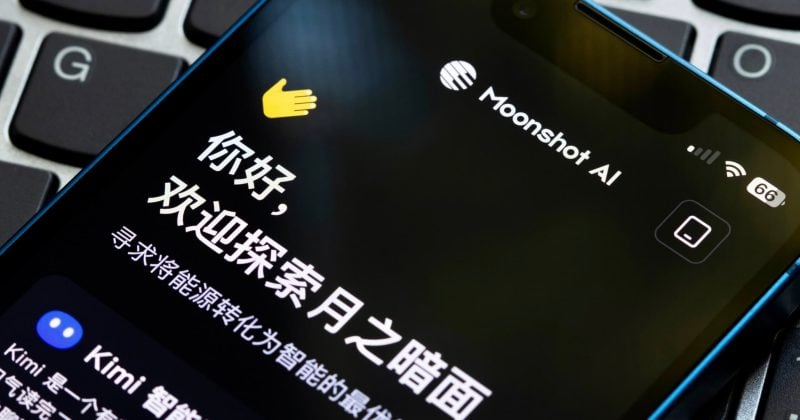
The specific flashpoint is Kimi K3, a 2.8-trillion-parameter model built by Moonshot AI. US officials are scrutinizing whether K3 improperly extracted capabilities from Anthropic’s Fable 5 model, one of the most advanced AI systems produced by a US company.
Kimi K3 reportedly rivals certain top-tier American AI models in performance while being significantly cheaper to run. If those capabilities were genuinely distilled from a US model rather than independently developed, it would represent a massive shortcut, one that undermines the billions of dollars US companies have poured into research.
Moonshot AI isn’t the only Chinese lab in the crosshairs. DeepSeek and MiniMax have also been implicated in the broader US concerns about systematic IP extraction from American AI systems.
Bessent indicated that sanctions or Entity List designations could follow if investigations confirm violations of US intellectual property laws. Being placed on the Entity List would effectively cut these companies off from American technology, talent, and partnerships.
From hardware wars to software wars
This dispute marks a significant pivot in the US-China technology rivalry. For years, the battle was fought over semiconductors. Washington restricted exports of advanced Nvidia chips and ASML lithography equipment, trying to kneecap China’s ability to build cutting-edge hardware.
Now the front line has shifted from silicon to software. The concern isn’t just whether China can manufacture the chips to train AI models. It’s whether Chinese companies are stealing the intellectual output of models that American firms spent billions training on legally acquired data using legally acquired compute.
China’s response has been predictably forceful. Officials characterized the allegations as part of a broader pattern of technological containment, framing the dispute not as a legitimate IP concern but as another attempt to suppress Chinese innovation.
Disclosure: This article was edited by Editorial Team. For more information on how we create and review content, see our Editorial Policy.





 English (US) ·