
 3 months ago
57
3 months ago
57
iGamingPublished:May 6, 2026, 3:54 PM
Crypto-native operators Stake and Roobet lead Canada’s online gambling market five weeks before the country co-hosts the FIFA World Cup, with offshore platforms continuing to dominate every province except Ontario. According to the 2025 USA and Canada iGaming Landscape Report from market analytics firm Blask, the top five Canadian operators capture more than 60% of the country’s competitive earning baseline.
Published: May 6, 2026, 3:54 PM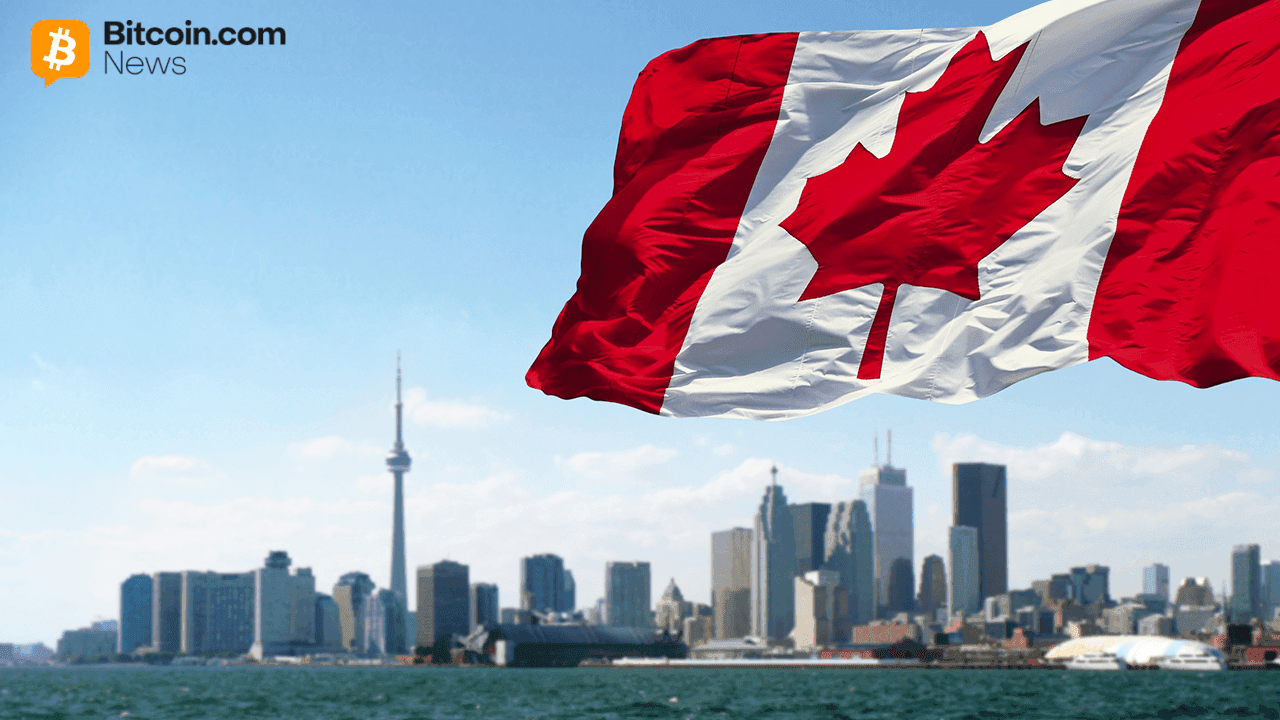
Key Takeaways
- Stake and Roobet lead Canada’s offshore iGaming market, where top operators capture 60% of CEB
- Saskatchewan offshore share hits 93% with Alberta and Manitoba at 88%, per Blask 2025 report
- Alberta opens regulated market July 13, five weeks after FIFA World Cup kickoff on June 11
Provincial Patchwork Leaves Offshore Operators Dominant Outside Ontario
The primary operators are unlicensed offshore brands led by Stake and Roobet. The pattern holds despite Canada having reached an estimated $9.5 billion in 2025 online gambling activity.
The provincial breakdown shows that these operators’ dominance varies sharply by jurisdiction in Canada: Saskatchewan operates with 93% offshore market share, while Alberta and Manitoba both sit at 88%. These provinces use monopoly models in which government-operated platforms compete against unlicensed international brands without the product depth or interface flexibility of competitive markets.
David Henwood, Director at H2 Gambling Capital, described the structural mechanism in a 2024 study: “There is much conjecture that one of the main reasons customers use offshore betting sites is because they offer a broader range of product than available onshore. The study findings reinforce that point of view. Limiting the choice of onshore bet types — including live in-play — is basically counter-productive.”
Ontario stands as the counter-example. Since launching its open competitive market in April 2022, the province has reached 85% regulated channelization, though controversies remain about its implementation regarding advertising rules. Alberta’s transition toward an Ontario-style competitive market begins on July 13. The launch date falls five weeks after the FIFA World Cup begins June 11 in Mexico City, with Canada playing its first match June 12 against Bosnia and Herzegovina at BMO Field in Toronto. By tournament kickoff, Alberta’s regulated competitive market will not yet be operational, leaving the province’s 88% offshore leakage intact through the group stage and into the quarter-finals.
Outside Ontario and the eventual Alberta launch, every other Canadian province operates under a lottery-corporation monopoly model with no near-term path to competitive licensing. PlayNow handles British Columbia and Manitoba, Mise-o-jeu operates in Quebec, and PlayNow Saskatchewan operates under SIGA authority through a partnership with BCLC. None of these monopoly platforms has signalled imminent transition to competitive licensing, leaving offshore operators positioned as the dominant access channel through the World Cup window.
The federal vacuum remains intact: Canada has no national gambling regulator, no national licensing framework, and Bill S-211, the National Framework on Sports Betting Advertising Act, has passed the Senate but not the House of Commons, with no overarching solution expected by the time the World Cup—co-hosted by The Great White North—begins in the summer.




 English (US) ·