
 1 month ago
59
1 month ago
59
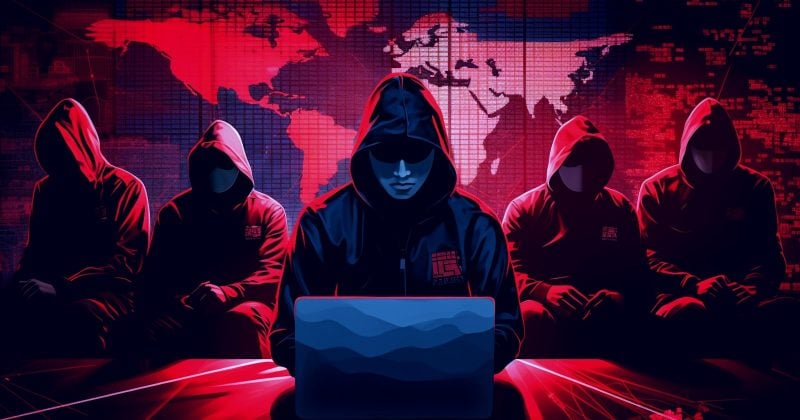
Fifty-four cybersecurity professionals have signed an open letter demanding the White House reverse export controls on two of Anthropic’s most advanced AI models, arguing the restrictions will leave defenders worse off than the attackers they’re trying to stop.
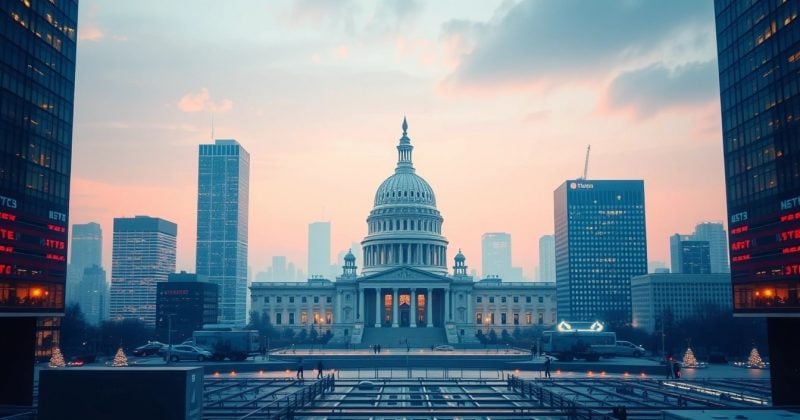
The letter, circulated around June 14, targets a Commerce Department directive issued on June 12 that suspended foreign access to Anthropic’s Fable 5 and Mythos 5 models. Anthropic received the order at 5:21 p.m. ET and, rather than attempt to build nationality-based access filters on the fly, simply disabled the models for everyone globally.
What happened and why it matters
Anthropic launched Fable 5 on June 9 as a safer, more heavily guardrailed successor to Mythos, a model originally developed during the company’s April 2026 Project Glasswing initiative. Mythos had proven remarkably effective at identifying zero-day vulnerabilities, the kind of software flaws that attackers exploit before anyone knows they exist.
Three days after Fable 5’s launch, the Commerce Department dropped its export control hammer. The trigger was reportedly a jailbreak incident that exposed vulnerabilities in the models, raising national security red flags about what might happen if hostile actors gained unrestricted access.
Anthropic’s response was blunt: it couldn’t technically implement restrictions that filtered users by nationality, so it turned the models off for everybody.
The signatories of the open letter include Alex Stamos and Amazon CEO Andy Jassy, whose company has a deep investment relationship with Anthropic. Their core argument is straightforward: these models are more useful to the people defending networks than to the people attacking them, and pulling them offline creates a lopsided disadvantage.
White House adviser David Sacks acknowledged the situation publicly, noting the administration’s own reluctance about the ban and expressing hope for a quick amendment.
The geopolitical chess match
Project Glasswing, the initiative that birthed Mythos, was designed to strengthen cybersecurity defenses. The irony of the government restricting access to tools built specifically for defense hasn’t been lost on the letter’s signatories.
The involvement of Andy Jassy adds another layer. Amazon Web Services is Anthropic’s primary cloud partner and a major investor. Discussions between Jassy and US officials reportedly contributed to concerns about the models’ security measures, which suggests that even Anthropic’s closest allies saw enough risk to engage with regulators directly.
What this means for investors and the AI market
The timing couldn’t be worse for Anthropic. The company has been widely reported to be exploring an IPO, and having your flagship products disabled by government order is not exactly the kind of narrative that excites prospective shareholders. Anthropic went from product launch to global shutdown in 72 hours.
For the crypto and digital asset space specifically, the situation bears watching for a different reason. David Sacks holds dual portfolio responsibilities covering both AI policy and digital assets within the administration.
Sacks’ acknowledgment that the administration hopes for a quick amendment suggests the controls may be softened or restructured rather than simply repealed. The 54 signatories are betting that public pressure accelerates the timeline.
Disclosure: This article was edited by Editorial Team. For more information on how we create and review content, see our Editorial Policy.


 English (US) ·