
 54 minutes ago
9
54 minutes ago
9
The US dollar has been flexing lately. Normally, that would be good news for a Federal Reserve chair trying to wrestle inflation back to the 2% target. A strong dollar makes imports cheaper, which puts downward pressure on prices across the economy.
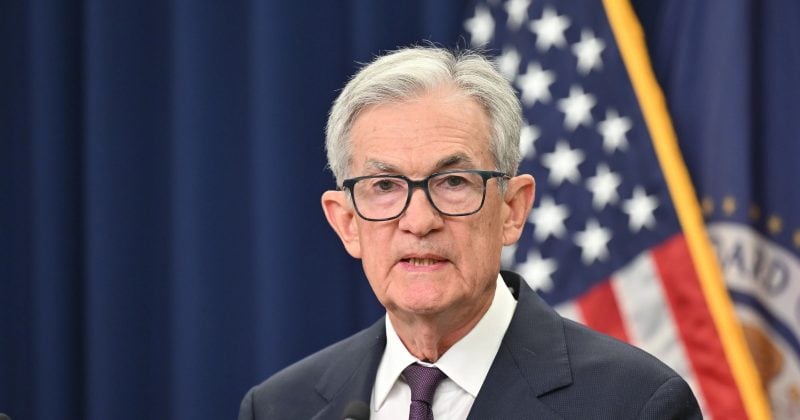
Except it’s not working the way the textbook says it should. The dollar’s appreciation is doing far less to cool inflation than historical patterns would predict, leaving Fed Chair Kevin Warsh with fewer tools in his already complicated fight against persistently elevated prices.
Warsh’s inflation problem
Warsh formally took the helm at the Federal Reserve on May 22, 2026. The annual inflation rate remains stubbornly above the Fed’s 2% target, despite months of policy tightening and some modest improvements in monthly price indices.
During his first semiannual monetary policy testimony to Congress on July 14, 2026, Warsh left zero ambiguity about his priorities. He declared that the Fed has “no tolerance for persistently elevated inflation.”
Several factors could explain the disconnect between dollar strength and inflation. Supply chain restructuring, reshoring initiatives, and tariff-driven trade barriers have all reshaped the way import prices filter through to consumer costs. When you’re paying tariffs on top of cheaper imports, the currency benefit gets eaten alive before it ever reaches a grocery store shelf.
Why crypto investors should care
If Warsh concludes that the dollar channel isn’t delivering meaningful disinflation, the logical next move is to keep rates elevated for longer, or potentially push them higher. Interest rates currently hover in the 3.5–3.75% range. Bitcoin, Solana, and the broader digital asset market tend to feel that pressure acutely.
Warsh isn’t your typical Fed chair when it comes to crypto. Financial disclosures revealed that Warsh and his wife are invested in 20 to 30 crypto projects, with total assets valued between $131 million and $209 million. He has described Bitcoin as an “important asset” and stated that digital assets are “already part of the fabric of U.S. financial services.”
The macro backdrop for Bitcoin
Warsh inherited an inflation problem that traces back to the post-2021 price spike, and he’s made it clear that remedying that episode is his top priority. Inflation has proven remarkably sticky at levels above the 2% target, even as other economic indicators have shown mixed signals.
The July testimony made clear that the Fed isn’t close to declaring victory on inflation, which means the monetary policy environment remains restrictive. Warsh’s combination of inflation hawkishness and personal crypto conviction — with $131 million to $209 million invested across 20 to 30 digital asset projects — makes him a uniquely positioned Fed chair for digital asset markets.
Disclosure: This article was edited by Editorial Team. For more information on how we create and review content, see our Editorial Policy.



 English (US) ·