
 2 months ago
57
2 months ago
57
Donald Trump touched down in Beijing on May 13 for what amounts to the most consequential US-China face-to-face in nearly a decade. The last time a sitting American president made a state visit to China was nine years ago, which tells you something about how frosty things have been.
The agenda reads like a geopolitical greatest hits album: trade disputes, the Iran conflict, Taiwan, US arms sales, and artificial intelligence. Each one of those topics alone could fill a summit.
What’s on the table
Then there’s Iran. The summit is happening against the backdrop of a fragile ceasefire arrangement and persistent concerns about the Strait of Hormuz. That waterway is the chokepoint for roughly a fifth of the world’s oil supply, and any disruption there sends shockwaves through energy markets and well beyond.
Markets were already pricing in uncertainty ahead of the meeting. Brent crude slipped 0.76% to $106.95 per barrel on May 13, while WTI fell 0.65% to $101.52 per barrel.
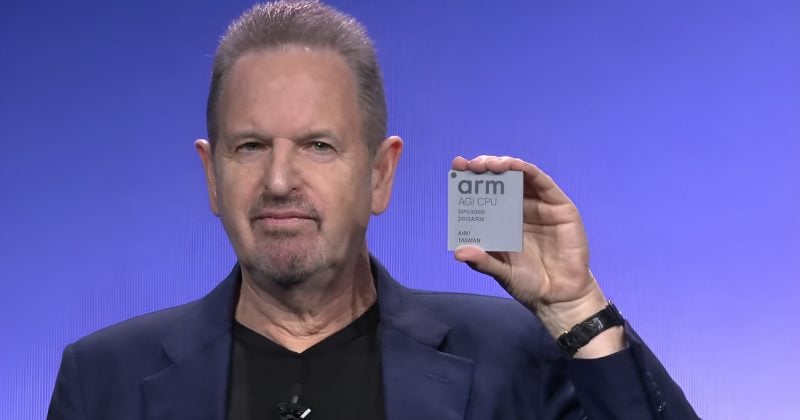
The surprise guest on the attendee list is Nvidia CEO Jensen Huang, who reportedly received a last-minute White House invitation. His presence is meant to underscore just how central AI and semiconductor technology have become to the US-China relationship.
Why crypto should be paying attention
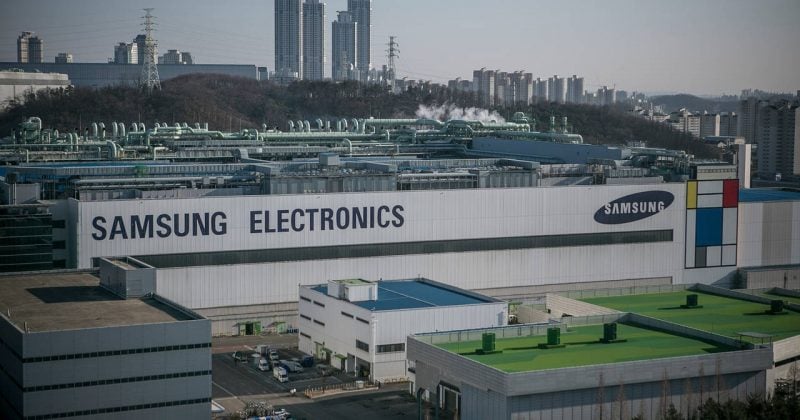
Start with semiconductors. The chips that power AI systems are the same chips that power cryptocurrency mining operations. Any agreement, or new restriction, on semiconductor trade between the US and China directly impacts the supply chain for mining hardware. If Nvidia’s presence at the summit signals a new framework for AI chip exports, miners will feel it.
The Iran dimension adds another layer. Energy price volatility driven by Strait of Hormuz concerns feeds into inflation expectations, which feeds into interest rate expectations, which feeds into how much liquidity is sloshing around for speculative assets like crypto.
The bigger picture for investors
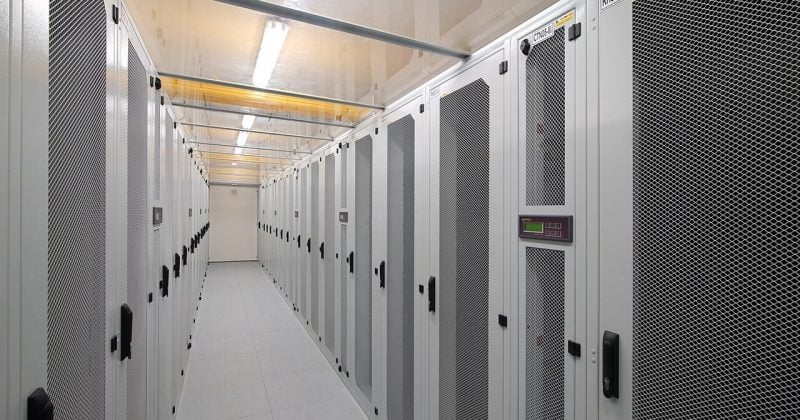
The semiconductor angle deserves particular scrutiny. Nvidia’s market cap has become a barometer for the entire AI and advanced computing sector. Any policy outcome that affects Nvidia’s ability to sell chips to Chinese customers will ripple through the technology stack that supports crypto infrastructure, from mining rigs to the data centers that run blockchain nodes.
The competitive landscape between the US and China on digital currency development also lurks in the background. China has been aggressively pushing its digital yuan, while the US has taken a more cautious approach to central bank digital currencies. Any signals from this summit about how either country plans to approach digital financial infrastructure could reshape the playing field for private crypto projects that operate in both markets.
Disclosure: This article was edited by Editorial Team. For more information on how we create and review content, see our Editorial Policy.





 English (US) ·