
 1 hour ago
13
1 hour ago
13
The European Central Bank’s first rate hike in three years is apparently going exactly as planned, at least according to the people who made the call. ECB Governing Council member Emmanuel Moulin said on July 3 that the bank is in a “good position” following June’s 25-basis-point increase, crediting a recent decline in oil prices for easing some of the inflationary heat that forced the move in the first place.
What the ECB actually did, and why it matters
On June 11, the ECB raised its deposit facility rate to 2.25%, the first increase since 2023. The catalyst was straightforward: energy costs surging because of the ongoing Iran war had pushed inflation projections well above the bank’s 2% target.
The ECB’s updated forecasts peg headline inflation at an average of 3.0% for 2026. That’s a full percentage point above where the bank wants to be.
Moulin’s comments suggest the ECB views the June hike as a one-and-done adjustment rather than the opening salvo of a new tightening campaign. He explicitly stated the bank is not entering a new cycle of rate increases, instead emphasizing a data-dependent approach heading into the July and September meetings.
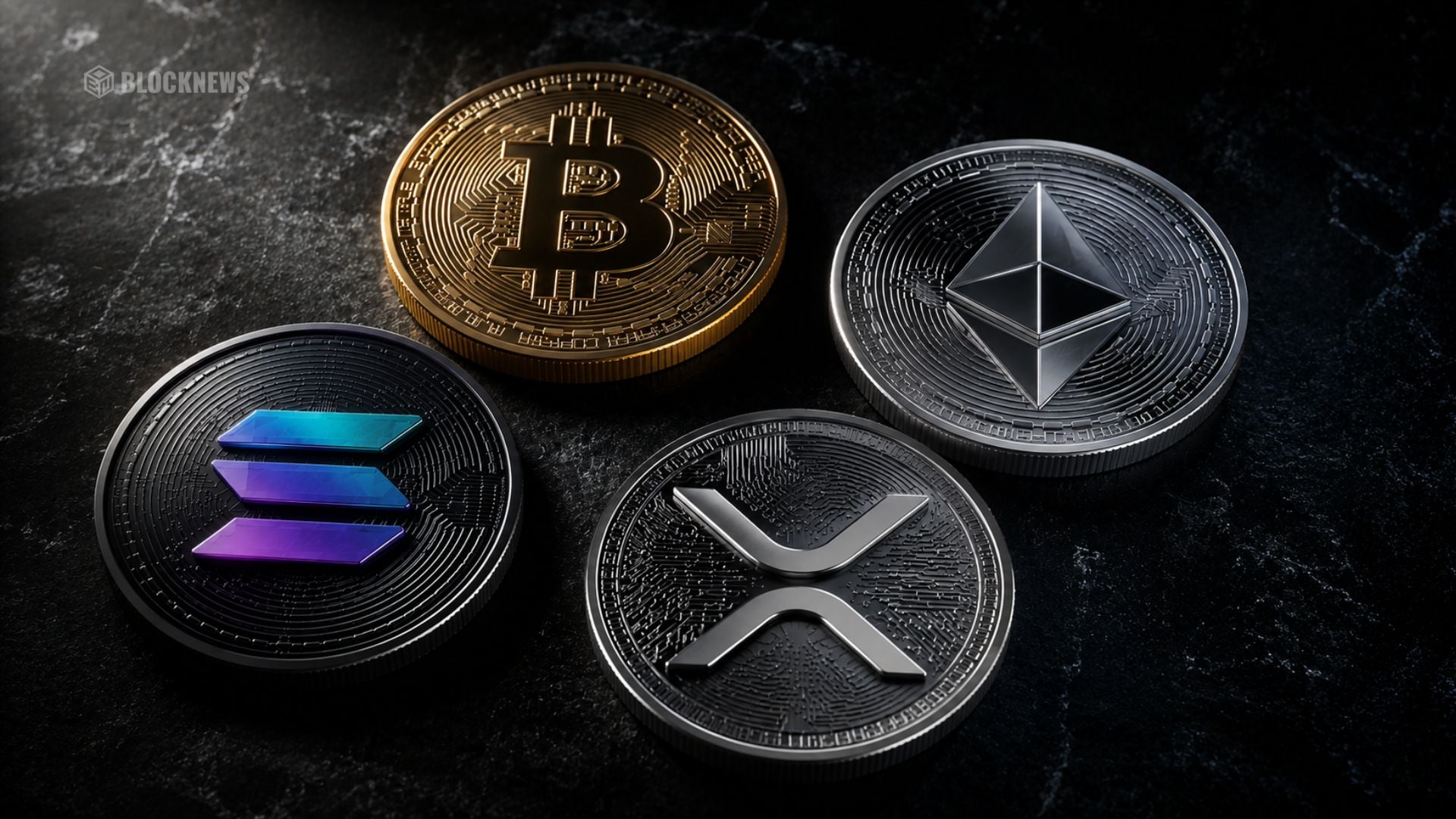
What this means for crypto investors
Look at the mechanics. With the deposit rate now at 2.25%, euro-denominated yields become slightly more attractive relative to holding volatile digital assets. But a 25-basis-point move doesn’t fundamentally alter the risk-reward calculation for most crypto traders.
Notably, neither the ECB’s rate decision nor Moulin’s follow-up comments contained any reference to digital assets or crypto regulation. The separation between central bank monetary policy and crypto market oversight remains largely intact in Europe, even as the Markets in Crypto-Assets (MiCA) framework continues to reshape the regulatory landscape on a parallel track.
Disclosure: This article was edited by Editorial Team. For more information on how we create and review content, see our Editorial Policy.







 English (US) ·