
 1 month ago
34
1 month ago
34
Turkish President Recep Tayyip Erdogan spoke with Donald Trump about extending the ceasefire between the US and Iran, telling him the truce is a positive step and that contested issues between the two nations can be resolved. The Turkish Presidency confirmed the call, which comes as Erdogan works to carve out a mediator role in one of the most consequential geopolitical standoffs of 2025.
The conversation signals that Ankara is actively trying to keep diplomatic channels open between Washington and Tehran at a moment when the situation could easily tip toward military escalation. For anyone watching energy markets, commodity prices, or risk assets like crypto, this is the kind of phone call that matters.
What Erdogan is angling for
Turkey has a long history of trying to play both sides of major geopolitical divides, and this is a textbook example. Erdogan is positioning Turkey as a bridge between the US and Iran, two countries that don’t exactly have each other on speed dial.
By telling Trump that the ceasefire extension is a good thing and that thorny disputes can still be worked out, Erdogan is essentially making the case for patience. The subtext: don’t blow this up over the hard stuff when the easy win of continued peace is sitting right there.
Turkey’s geographic position makes it a natural intermediary. It shares a border with Iran, hosts a massive NATO presence, and maintains trade relationships with both sides. Erdogan has leveraged this positioning before, most notably in grain deal negotiations during the Russia-Ukraine conflict.
Here’s the thing. Erdogan doesn’t do this out of pure altruism. A regional war between the US and Iran would send energy prices skyrocketing, destabilize Turkey’s neighborhood, and potentially flood the country with refugees. Turkey has every incentive to keep this ceasefire intact.
The ceasefire itself and why it’s complicated
Trump agreed to extend the US-Iran ceasefire indefinitely, giving Tehran time to put together a formal negotiating proposal. That sounds like progress, and in some ways it is. An indefinite extension means neither side is staring down a ticking clock that forces premature decisions.
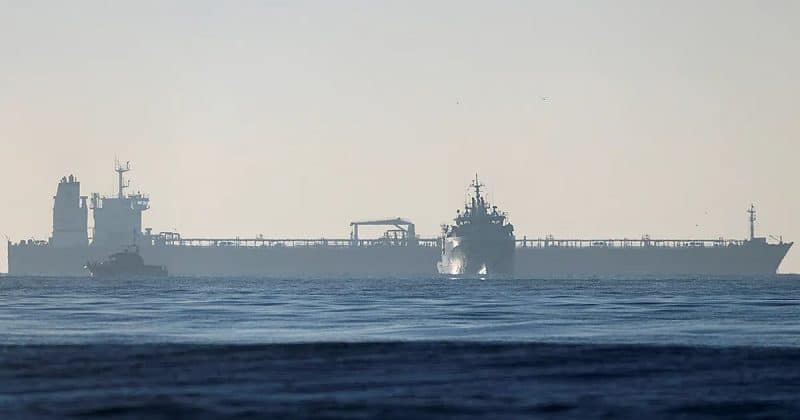
But the US hasn’t exactly stood down. Washington is maintaining a naval blockade even as the ceasefire holds, which tells you something about the level of trust in this arrangement. In diplomatic terms, it’s the equivalent of shaking hands while keeping your other hand on your wallet.
Iran, for its part, isn’t thrilled with the framing. Tehran has criticized the indefinite ceasefire as a US tactic designed to buy time and potentially pave the way for military action down the road. Iranian officials have gone so far as to threaten a military response if negotiations don’t actually progress.
That’s the tension at the heart of this whole thing. The US says it’s extending the ceasefire to give diplomacy room to work. Iran says the extension, combined with the ongoing naval blockade, looks less like diplomacy and more like positioning. Both readings are plausible, which is exactly why a mediator like Erdogan is trying to insert himself into the conversation.
The broader regional picture makes this even more layered. The US-Iran dynamic doesn’t exist in a vacuum. It intersects with Israeli security concerns, Lebanese stability, and the interests of Gulf states who have their own complicated relationships with Tehran. Any breakdown in the ceasefire could cascade across multiple flashpoints simultaneously.
What this means for markets and risk assets
Geopolitical risk is the invisible hand that moves markets when no one is looking at earnings reports. The US-Iran standoff sits at the intersection of energy supply, shipping lanes, and regional stability in the Middle East, which means it has outsized influence on global risk sentiment.
If this ceasefire holds and actual negotiations begin, expect a gradual easing of the risk premium that’s been baked into oil prices and, by extension, into broader market volatility. Lower geopolitical tension generally pushes capital toward risk assets, including crypto, as investors feel more comfortable moving out of safe havens.
If it collapses, the opposite happens. An escalation between the US and Iran would likely spike oil prices, strengthen the dollar as a safe haven, and create the kind of macro uncertainty that tends to hit speculative assets hard. Bitcoin has increasingly traded as a macro asset in recent years, and a genuine military confrontation in the Persian Gulf would test whether it behaves more like digital gold or more like a high-beta tech stock.
The naval blockade is worth watching closely as a leading indicator. If the US scales it back, that’s a genuine signal of de-escalation. If it intensifies even while the ceasefire technically holds, markets will read that as preparation rather than patience.
Iran’s response to the indefinite timeline is the other variable that could move markets quickly. Tehran’s threat of military action if talks stall isn’t just rhetoric for domestic consumption. It’s a signal to Washington that open-ended ambiguity has a shelf life. Erdogan’s intervention may help extend that shelf life, but it can’t eliminate the underlying distrust between two nations that have been adversaries for over four decades.
For crypto investors specifically, the macro backdrop here is straightforward. Stability in the Middle East is broadly positive for risk appetite. Escalation is broadly negative. The Erdogan-Trump call, by itself, doesn’t change the calculus dramatically. But it does suggest that at least one major regional power is actively working to prevent the worst-case scenario, and that’s the kind of diplomatic insurance that markets tend to quietly price in over time.
Disclosure: This article was edited by Editorial Team. For more information on how we create and review content, see our Editorial Policy.



 English (US) ·