
 2 months ago
57
2 months ago
57
- Ethereum has fallen sharply from its all-time high, but two major catalysts could improve investor sentiment.
- The Clarity Act may help institutions adopt Ethereum for DeFi, stablecoins, and tokenized assets.
- The upcoming Glamsterdam upgrade could improve Ethereum’s speed, cost structure, and long-term value case.
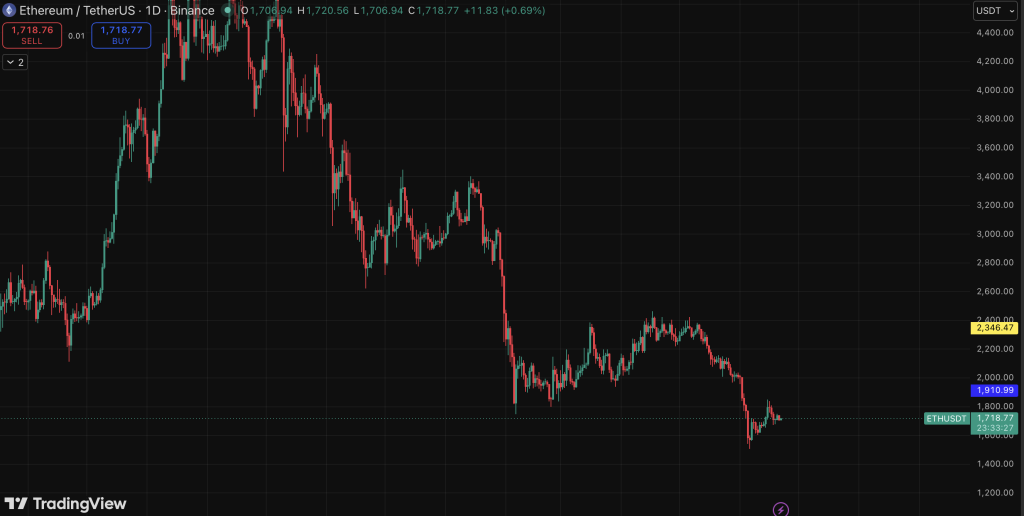
Ethereum was one of the most talked-about cryptocurrencies almost a year ago. Treasury companies focused on ETH were being launched at a fast pace, institutional interest was growing, and the price was climbing toward the $5,000 level by the end of summer. For a while, it looked like Ethereum had fully reclaimed its place as one of the strongest assets in the crypto market.
But the past nine months have been rough, to put it mildly. Ethereum is now down around 63% from its all-time high, and many crypto investors have clearly shifted their attention elsewhere. Still, the story may not be finished. Two major catalysts could help change market sentiment and potentially make ETH look attractive again heading into 2027.
The Clarity Act Could Open the Door for Institutions
The first major catalyst is the Digital Asset Market Clarity Act, which could reportedly be signed into law as early as July. The bill is designed to make it easier for banks, corporations, and large institutions to work with digital assets in a more clearly regulated environment.
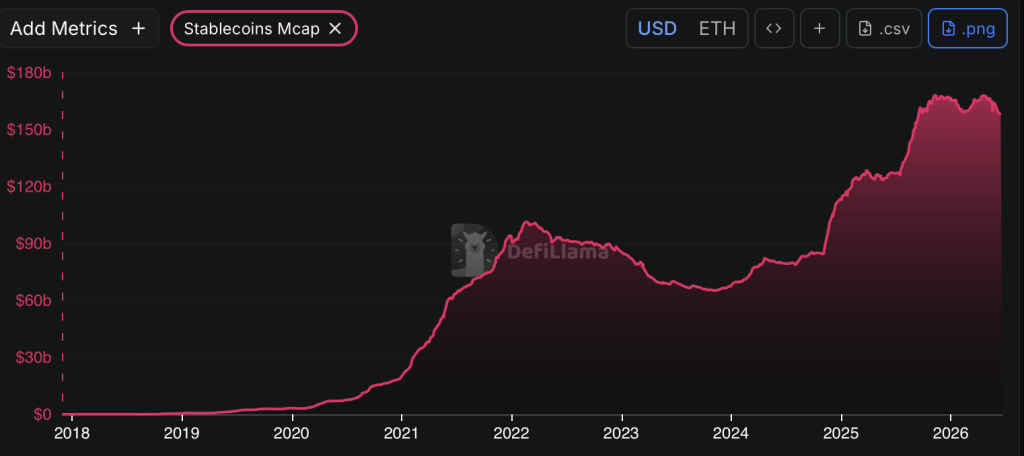
That matters a lot for Ethereum. Even after all the competition it has faced, Ethereum remains the leading blockchain for decentralized finance. Its ecosystem is still deeply connected to stablecoins, lending markets, asset tokenization, and other forms of on-chain finance.
If the Clarity Act gives institutions more confidence to use blockchain infrastructure, Ethereum could be one of the biggest beneficiaries. Banks and corporations may be more willing to build products, tokenize assets, or settle transactions on-chain if the rules become clearer. And since Ethereum already has a strong position in these areas, even a modest wave of adoption could shift how investors value ETH.
Ethereum Still Leads in DeFi and Tokenization
Ethereum’s biggest strength remains its network effect. Developers, protocols, stablecoin issuers, and DeFi platforms have spent years building around it. That kind of ecosystem is not easy to copy, even by faster or cheaper competitors.
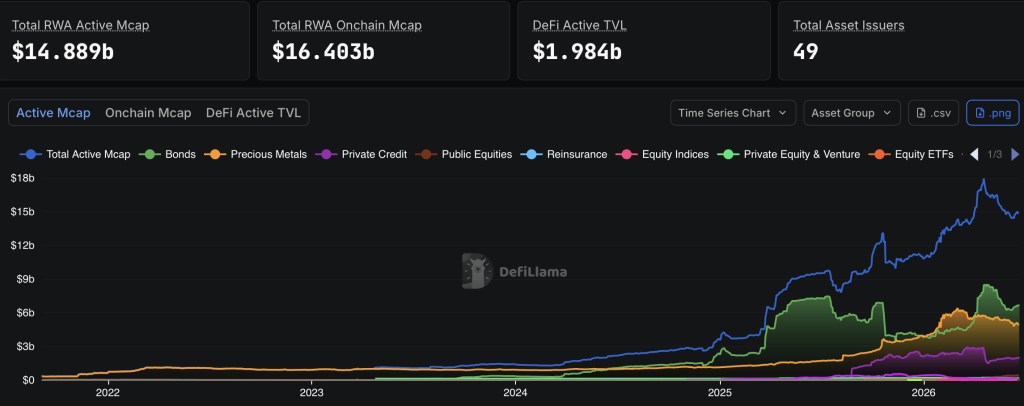
In areas like stablecoins and tokenized real-world assets, Ethereum continues to hold a leading position. These markets could become much larger if traditional financial firms begin using blockchain rails more seriously.
That is where clearer regulation becomes important. Without legal clarity, many institutions stay cautious. With it, Ethereum could move from being viewed mainly as a speculative crypto asset to being seen as financial infrastructure. That shift would be a big deal, maybe bigger than the market is pricing in right now.
Glamsterdam Upgrade Could Improve Ethereum’s Performance
The second major catalyst is Ethereum’s upcoming Glamsterdam upgrade, which is currently expected in the third quarter. Like previous Ethereum upgrades, the goal is fairly simple on paper: make the network faster, cheaper, and more efficient.
Some estimates suggest that Ethereum’s processing capacity could eventually rise toward 10,000 transactions per second, and perhaps even higher. If that happens, Ethereum would become far more competitive with high-speed blockchains such as Solana.
Speed is not just a technical talking point. It affects user experience, transaction costs, app performance, and the ability of large financial systems to operate on-chain. If Glamsterdam delivers meaningful improvements, Ethereum could regain some of the excitement that has faded over the past year.
Layer 2 Value Could Shift Back to Ethereum
Another important part of the Glamsterdam upgrade is how it could change the relationship between Ethereum and its Layer 2 networks. Over the past 18 months, one common criticism has been that Layer 2 chains are capturing too much of the value that once belonged to Ethereum itself.
That narrative has hurt ETH. If activity grows on Layer 2 networks but ETH does not benefit enough, investors may question the token’s long-term upside.
Glamsterdam could help shift more value creation back toward the main Ethereum blockchain. If that happens, the investment case for ETH becomes stronger. Not overnight, of course, but enough to change the discussion around Ethereum’s role in the broader crypto economy.
Could Ethereum Really Reach $40,000?
Some analysts remain extremely bullish on Ethereum’s long-term potential. Standard Chartered, for example, has projected that ETH could reach $40,000 by the end of 2030. With Ethereum currently trading near $1,825, that would represent a gain of more than 20 times from current levels.
That kind of forecast is obviously ambitious. A lot would need to go right. The Clarity Act could be delayed by political gridlock, and the Glamsterdam upgrade may not deliver every performance improvement investors are hoping for.
Still, Ethereum does not necessarily need to hit $40,000 for the current opportunity to matter. Even a return to the $5,000 level would represent meaningful upside from today’s price. For investors who believe Ethereum remains central to the future of crypto finance, the current discount may look increasingly hard to ignore.
Ethereum’s Comeback Case Is Building
Ethereum has lost momentum, and there is no point pretending otherwise. The price decline has been steep, investor enthusiasm has cooled, and rival blockchains continue to compete aggressively for attention.
But Ethereum still has powerful advantages. It has the deepest DeFi ecosystem, strong developer activity, major stablecoin usage, and a clear path toward improvement through upcoming upgrades. Add potential regulatory clarity into the mix, and the outlook starts to look more balanced than the recent price action suggests.
Heading into 2027, Ethereum may not be the hottest crypto in the market right now. But if regulation improves and Glamsterdam delivers, ETH could begin rebuilding its bullish narrative, slowly at first, then maybe all at once.
Disclaimer: BlockNews provides independent reporting on crypto, blockchain, and digital finance. All content is for informational purposes only and does not constitute financial advice. Readers should do their own research before making investment decisions. Some articles may use AI tools to assist in drafting, but every piece is reviewed and edited by our editorial team of experienced crypto writers and analysts before publication.




 English (US) ·