
 4 months ago
66
4 months ago
66
- Ethereum explores shorter slot times to improve network speed gradually
- ETH price sits near realized cost, signaling a neutral market phase
- Historical patterns suggest this setup could precede accumulation or a shift in trend
Ethereum is back in the spotlight again, though not because of price this time. It’s more about speed… or the lack of it, depending on who you ask. A new idea is floating around the community, and it’s gaining traction, slowly, but noticeably.
The proposal? Shorter slot times. Nothing flashy, no dramatic overhaul, just a gradual tweak to how fast blocks are processed. And that’s kind of the point, small changes, tested over time, instead of one big risky upgrade that could break things.
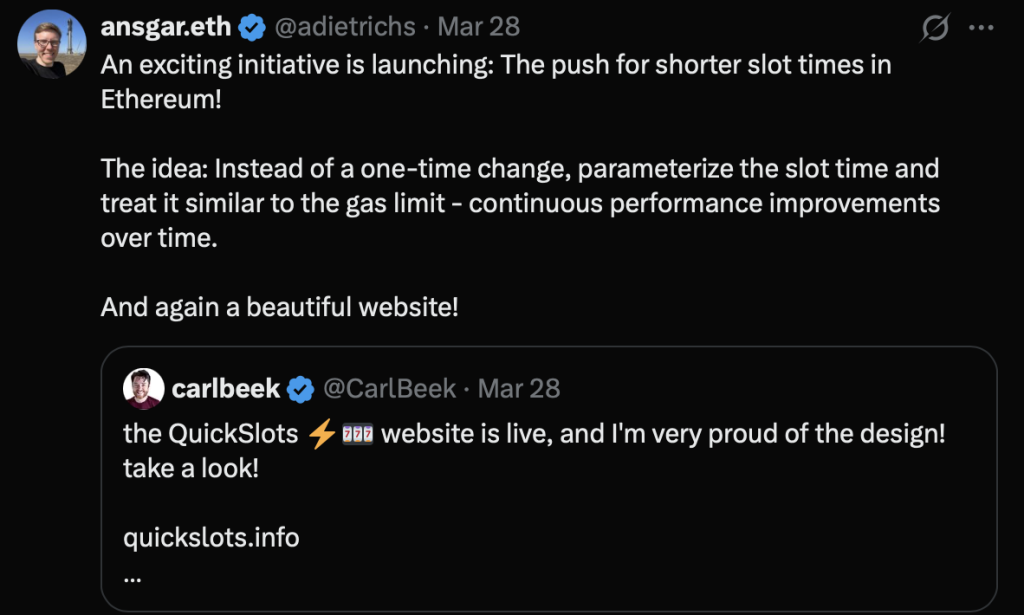
A Gradual Approach Instead of One Big Leap
What makes this interesting is the way developers are thinking about it. Instead of locking slot times permanently, the idea is to treat them more like gas limits, adjustable, flexible, something that evolves as the network improves.
That sounds simple, but it changes the mindset. It means Ethereum doesn’t have to wait years for a major upgrade just to get faster. It can improve step by step, testing along the way, adjusting if needed… less risk, more control.
There’s even a new site, QuickSlots, built to explain the concept and show how it could work in practice. The goal isn’t just speed for the sake of it, it’s about reducing transaction delays while keeping stability intact. And that balance, honestly, is where things usually get tricky.
Market Sits in an Unusual Position
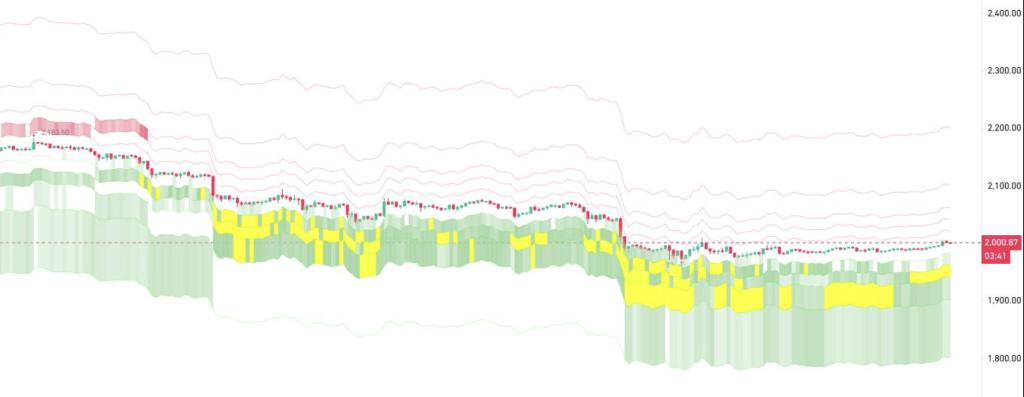
While all this is happening on the development side, the market itself is in a… strange spot. Ethereum is trading around $2,044, which puts it very close to its realized price, roughly between $2,000 and $2,100.
That matters more than it sounds. The realized price is basically the average cost basis of the market. So when price sits near it, most holders are neither in profit nor loss. Just… neutral.
And that doesn’t happen often. Historically, these moments have shown up during quieter phases, sometimes near the end of downturns, sometimes right before accumulation starts picking up again.
Past Cycles Offer a Bit of Perspective
Looking back, similar setups have appeared before. In 2018, Ethereum traded below its realized price for months, painful at the time, but eventually it turned into a strong accumulation zone. The same thing happened in 2022, though it took longer to recover.
So when ETH sits near that level again, it tends to get attention. Not because it guarantees a rally, but because it suggests the market is… resetting, in a way.
And when that happens alongside active development, it becomes a bit more interesting.
Development and Price Begin to Align
That’s really the bigger picture here. On one side, you’ve got ongoing improvements, ideas like shorter slot times aiming to make Ethereum faster and more efficient. On the other, you’ve got a market sitting near its cost basis, not overheated, not collapsing either.
That combination doesn’t happen all the time.
For now, the slot time proposal is still just that, a proposal. But it’s already sparked conversation, and maybe more importantly, it shows that development isn’t slowing down.
And in crypto, when building continues quietly while price sits still… it usually means something is forming. Just not always obvious right away.
Disclaimer: BlockNews provides independent reporting on crypto, blockchain, and digital finance. All content is for informational purposes only and does not constitute financial advice. Readers should do their own research before making investment decisions. Some articles may use AI tools to assist in drafting, but every piece is reviewed and edited by our editorial team of experienced crypto writers and analysts before publication.







 English (US) ·