
 5 months ago
92
5 months ago
92
Key Takeaways
- ETH’s market capitalization reaches approximately $264.7B compared to XRP’s $81.6B, highlighting significant valuation differences
- ETH commands the DeFi sector and stablecoin space with roughly $166B in onchain stablecoin capitalization
- XRP maintains a hard cap of 100B tokens, though Ripple’s escrowed holdings create ongoing supply pressure
- Ripple’s SEC litigation has concluded with a $125M penalty and injunction still in effect
- ETH continues advancing with upcoming network enhancements Glamsterdam and Hegotá scheduled for 2026
With approximately $166 billion in onchain stablecoin capitalization and more than 507,000 daily active addresses, Ethereum powers the majority of decentralized finance, while XRP concentrates on facilitating international payment transfers with developing institutional partnerships.
According to CoinGecko data, Ethereum’s total market capitalization stands at approximately $264.7 billion. XRP registers around $81.6 billion. This substantial difference illustrates how market participants assign distinct values to these blockchain networks.
When examining fully diluted valuation, XRP reaches approximately $132.9 billion, as only 61 billion of its maximum 100 billion token supply currently circulates. Ethereum’s fully diluted valuation essentially matches its market cap, given that nearly its entire supply is already available.
This supply dynamic carries significance for potential investors. XRP features a predetermined maximum supply ceiling, which certain market participants view favorably. However, Ripple maintains substantial token reserves in escrow, creating persistent supply pressure that markets must continuously price in.
Following the Merge, Ethereum transitioned to a proof-of-stake consensus mechanism. According to Ethereum.org, this shift eliminated issuance on the execution layer entirely. While validators receive staking incentives, a percentage of transaction fees undergo burning, creating more flexible token economics.
Network Utility Gives Ethereum a Clear Edge
Data from DefiLlama indicates Ethereum hosts approximately $166 billion in stablecoin market capitalization onchain. Weekly trading volumes across decentralized exchanges and perpetual markets reach billions of dollars. These metrics demonstrate that Ethereum functions beyond mere value storage — it powers substantial portions of cryptocurrency’s genuine economic transactions.
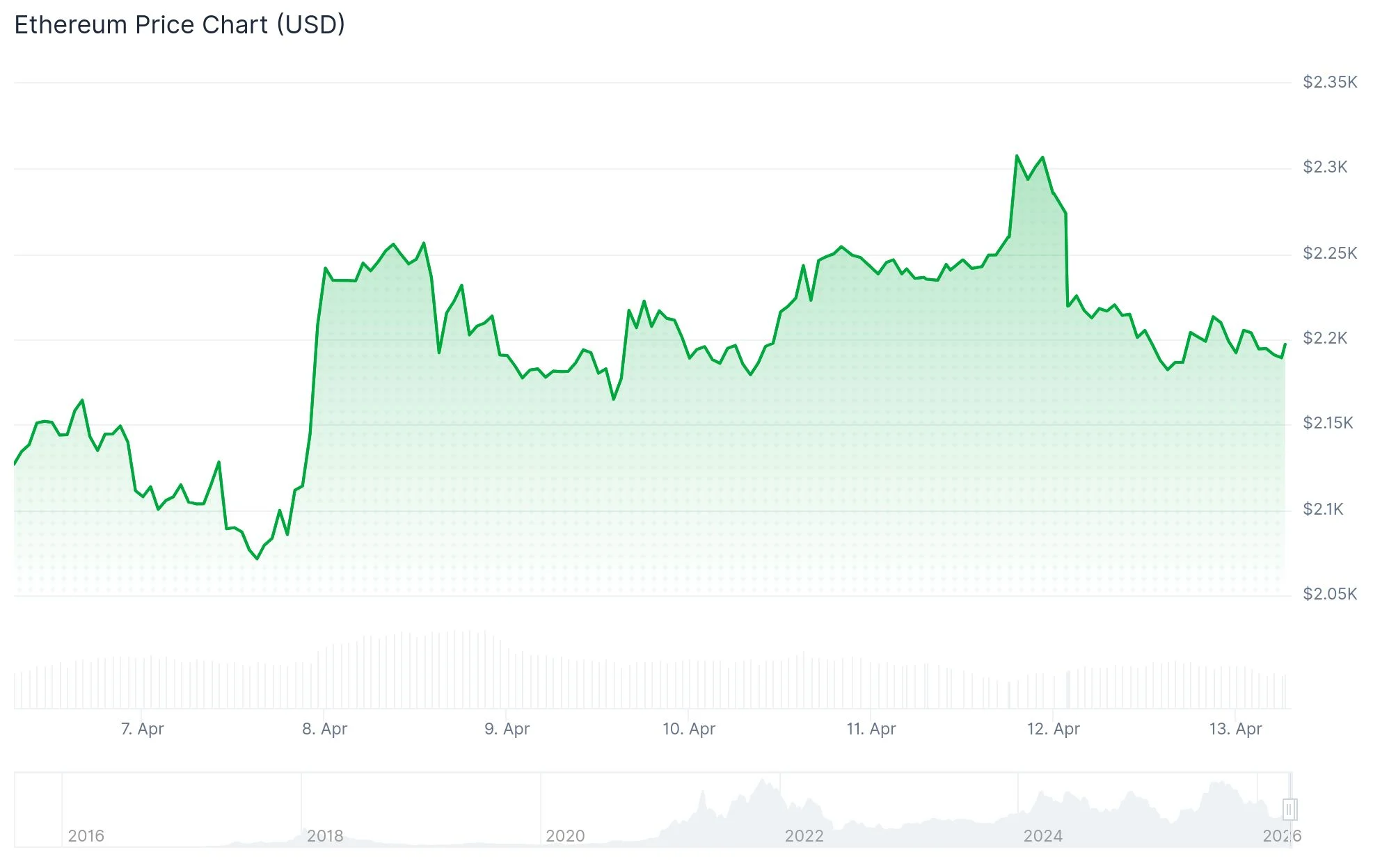 Ethereum (ETH) Price
The XRP Ledger pursues ecosystem expansion. During February, Ripple introduced a fintech builder initiative focusing on stablecoin payments, credit systems, asset tokenization, and compliant financial services. This initiative remains nascent when measured against Ethereum’s established infrastructure.
Ethereum maintains a more robust development pipeline. Network upgrades Pectra and Fusaka have already deployed. According to Ethereum.org, Glamsterdam and Hegotá are progressing toward 2026 implementation. Investment capital typically gravitates toward networks demonstrating consistent advancement while retaining dominant positions in user adoption and capital deployment.
XRP’s regulatory environment has clarified substantially. Reuters confirmed that the SEC’s extended litigation against Ripple has effectively concluded. While a $125 million penalty and court injunction regarding institutional token sales persist, the bulk of regulatory uncertainty has dissipated.
The Investment Case for XRP
For those seeking a straightforward investment narrative, XRP delivers simplicity. Its value proposition concentrates on payment processing and financial infrastructure development. When regulatory developments or Ripple partnership announcements emerge, XRP frequently demonstrates immediate price sensitivity.
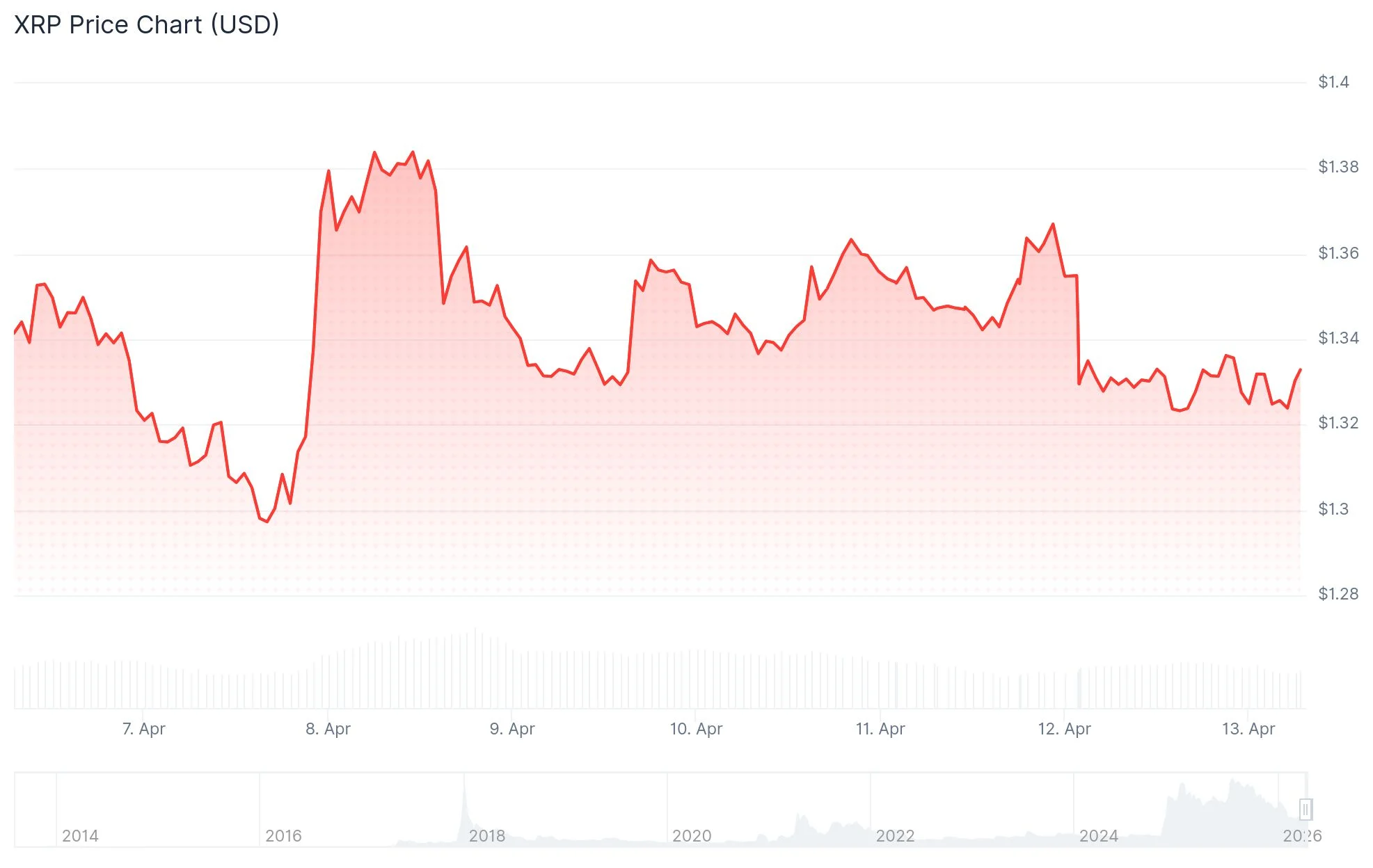 XRP Price
Citi reduced its 12-month Ethereum price projection recently, referencing subdued user engagement metrics. Nevertheless, even within that analysis, the financial institution highlighted stablecoins and tokenization as fundamental network strengths. This broader context deserves consideration.
Ethereum occupies central positions across multiple significant cryptocurrency sectors simultaneously. XRP relies more heavily on a singular concept — payment infrastructure — achieving widespread mainstream implementation.
Both blockchain networks demonstrate technical activity and support legitimate real-world applications. The distinction lies in the scope of functionality each network currently enables.
Investment Verdict
Ethereum provides superior liquidity depth, wider utility spectrum, and commands a larger portion of cryptocurrency’s authentic economic throughput. XRP delivers regulatory transparency, a fixed token supply, and a focused payments-oriented value proposition. Based on current network performance metrics, Ethereum currently represents the more compelling investment opportunity.
The post Ethereum (ETH) vs. XRP: A 2026 Investment Comparison for Crypto Buyers appeared first on Blockonomi.





 English (US) ·