
 8 months ago
100
8 months ago
100
// News
Reading time: 2 min
Published: Dec 21, 2025 at 19:39

While Bitcoin captures the geopolitical headlines, Ethereum has achieved a technological milestone that many skeptics thought was years away.
Following the activation of the Fusaka upgrade (the combination of the Fulu consensus and Osaka execution layers) on December 3, the network has seen its average mainnet gas fees plummet to an astounding $0.01 – $0.10 for simple transfers.
Economically competitive again
The technical backbone of this change is PeerDAS (Peer Data Availability Sampling), which allows validators to verify data exists without downloading entire "blobs." This, combined with a 33% increase in the block gas limit (from 45 million to 60 million), has effectively solved the congestion issues that plagued the 2021 and 2024 bull markets. For the first time, Ethereum's Layer-1 is economically competitive with high-speed alt-chains like Solana.
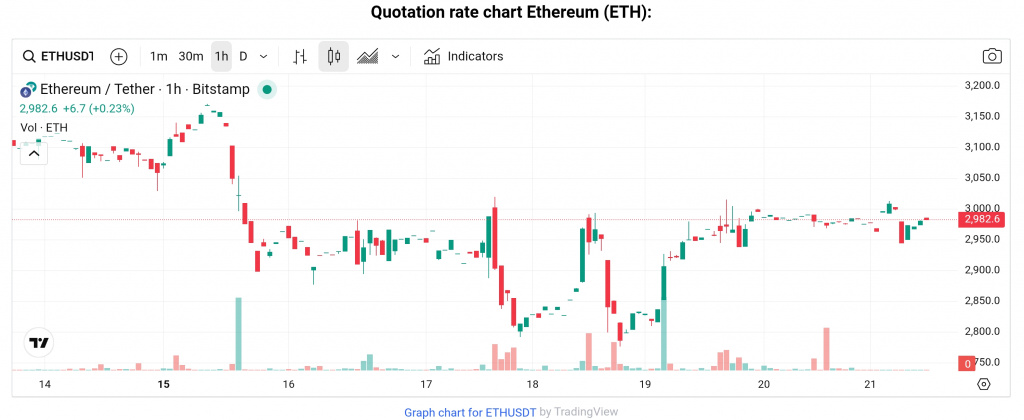
Despite this technological "victory," the market remains in a state of "Extreme Fear" (Index at 21), as ETH bulls struggle to defend the $3,000 support level. The drop in fees has paradoxically reduced the "burn mechanism" (EIP-1559), leading to short-term inflationary concerns among traders.
However, architects of the upgrade argue that the long-term value lies in Global Dollar Liquidity Settlement, where Ethereum now serves as the ultra-low-cost backbone for tokenized Treasury bills and stablecoins.
Disclaimer. This article is for informational purposes only and should not be viewed as an endorsement by Coinidol.com. Coinidol.com is an independent Blockchain media outlet that delivers news, cryptocurrency analytics and reviews. The data provided is collected by the author and is not sponsored by any company or developer. They are not a recommendation to buy or sell cryptocurrency. Readers should do their research before investing in funds.




 English (US) ·