
 3 weeks ago
78
3 weeks ago
78
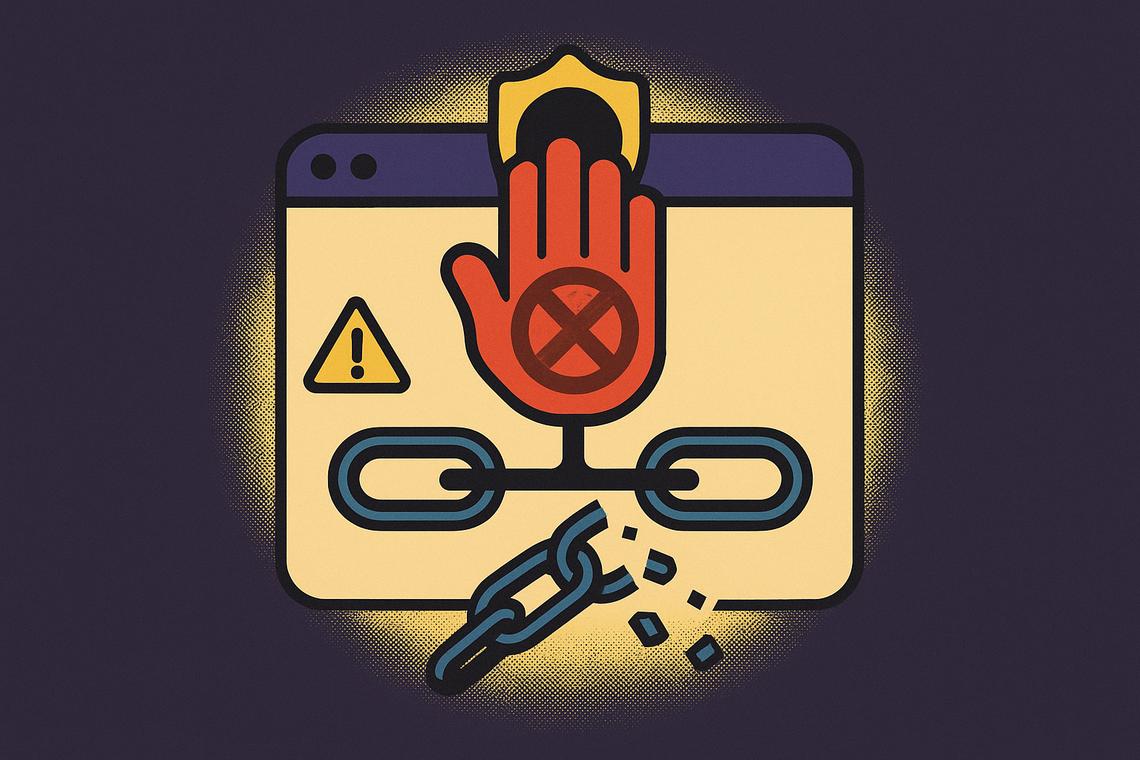
The European Union has turned its financial pressure on Russia up another notch — and this time, crypto is directly in the line of fire. The EU’s 21st sanctions package against Russia, negotiated by ambassadors on July 22, takes aim at nearly 90 Russian banks and, in a significant first, targets 11 crypto platforms allegedly used to route money around existing sanctions walls. The package, which traces back to a proposal by European Commission President Ursula von der Leyen on June 9, represents one of the broadest expansions of the bloc’s financial war against Moscow since the 2022 invasion of Ukraine.
Key takeaways
- The EU’s 21st sanctions package targets nearly 90 Russian banks, with 35 facing transaction bans — four of which are located outside Russia.
- For the first time, 11 crypto platforms allegedly used for sanctions evasion are directly targeted; they operate mainly in third countries like Belarus and Nigeria.
- Asset freezes extend to individuals and entities tied to Russia’s military, energy, and maritime sectors.
- Negotiations stalled partly over Greece’s push to freeze the Russian oil price cap at $44.10 per barrel.
- The package builds on the EU’s existing MiCA compliance framework and could ban crypto-asset services from certain jurisdictions entirely.
What the package actually does
The scale of the banking measures alone is striking. Transaction bans are set to hit 35 banks, four of which operate outside Russian territory, pushing the cumulative total of sanctioned Russian banks past 100. Asset freezes are being extended to individuals and entities connected to Russia’s military, energy, and maritime sectors — three pillars of the Kremlin’s war economy.
But it is the crypto dimension that marks the real departure from previous rounds. EU sanctions packages have grown progressively more aggressive since 2022, but formally targeting digital asset platforms as conduits for evasion is a qualitative step forward.
Crypto platforms in the crosshairs
The 11 platforms singled out in the package have not been publicly named. What is known is that they operate primarily from third countries — Belarus and Nigeria are specifically cited — functioning as channels through which Russian entities can move funds beyond the reach of Western financial restrictions. The package could go further still, potentially banning crypto-asset services from certain jurisdictions outright.
That threat carries real weight. Exchanges and service providers active in those regions now face the realistic prospect of being cut off from European markets entirely. For platforms that may have operated in regulatory grey zones, the message from Brussels is blunt: the tolerance is over.
The broader context matters here. Russia’s State Duma passed its own comprehensive cryptocurrency law in July, with most provisions set to take effect September 1, according to CoinDesk. That legislation creates a legal framework for crypto exchanges, sets an annual purchase cap for retail investors at roughly $3,800 per licensed intermediary, and explicitly allows digital currencies to be used for settlements under foreign trade contracts — a carve-out that the EU has taken note of. As the European Union stated following an earlier sanctions package in April: “Russia is becoming increasingly reliant on cryptocurrencies for international transactions.” The 21st package is, in part, a direct response to that trajectory.
The Greece problem and the oil price cap
Getting 27 member states to agree on anything is never simple, and this package proved no different. An initial round of negotiations on July 15 collapsed without a deal, forcing talks into the July 22–23 window.
The central sticking point is Greece. The country operates one of the world’s largest commercial shipping fleets, giving it significant economic exposure to how Russian oil trade is structured and policed. The compromise under negotiation would freeze the Russian oil price cap at $44.10 per barrel — a level calibrated to limit Moscow’s energy revenues while preserving some flow of Russian crude into global markets. For Athens, that number matters enormously; for Brussels, it is the price of unity.
Why the delay matters beyond the deadline
The negotiation friction over the oil price cap is more than a procedural footnote. It illustrates a persistent structural tension within EU sanctions policy: the economic interests of individual member states can slow or dilute measures that would otherwise carry greater force. Greece is not acting in bad faith — it is protecting a strategically vital industry. But the dynamic reinforces how geopolitical pressure on Russia ultimately has to be balanced against the economic realities of member states whose livelihoods are tied to the very trade routes sanctions aim to disrupt.
Implications for crypto markets and compliance
The EU’s Markets in Crypto-Assets regulation, known as MiCA, already established a compliance architecture for crypto businesses operating within Europe. This sanctions package layers enforcement pressure on top of that framework — not just for European-registered entities, but for any platform that touches EU markets or EU-based users.
The fact that the 11 targeted platforms remain unnamed creates a specific kind of market uncertainty. Exchanges operating in Belarus, Nigeria, or jurisdictions with similar profiles cannot be certain whether they appear on that list. That ambiguity alone may be enough to prompt preemptive compliance adjustments — or drive some activity further into unregulated corners.
What this package signals, viewed strategically, is that the EU is no longer content to treat crypto as a peripheral issue in its sanctions architecture. The combination of MiCA’s compliance standards and direct sanctions targeting digital asset platforms suggests Brussels is building toward a coherent regulatory perimeter — one where operating outside it carries escalating consequences, not just for Russian actors, but for any intermediary willing to facilitate their access to global financial networks.
FAQ
What does the EU’s 21st sanctions package against Russia include?
It targets nearly 90 Russian banks, freezes assets linked to military, energy, and maritime sectors, and for the first time directly targets 11 crypto platforms allegedly used for sanctions evasion. About 35 banks face transaction bans, four of which are based outside Russia.
Why is Greece playing a significant role in the EU sanctions negotiations?
Greece has major economic interests tied to its large commercial shipping fleet and is negotiating the temporary freezing of the Russian oil price cap at $44.10 per barrel — a level that affects how much Russian crude flows through global trade routes that Greek vessels help service.
How does this sanctions package affect crypto platforms?
Eleven crypto platforms operating mainly in third countries like Belarus and Nigeria are directly targeted. The package could potentially ban crypto-asset services from those jurisdictions entirely, cutting off platforms there from European markets.
What is the EU’s existing regulatory framework for crypto businesses?
The EU’s Markets in Crypto-Assets regulation, MiCA, already sets compliance standards for crypto businesses operating in Europe. The 21st sanctions package adds a further layer of restrictions, reinforcing that non-compliance carries meaningful consequences for any platform with exposure to EU markets.
Article produced with the assistance of artificial intelligence and reviewed by the editorial team.


 English (US) ·