
 2 weeks ago
42
2 weeks ago
42
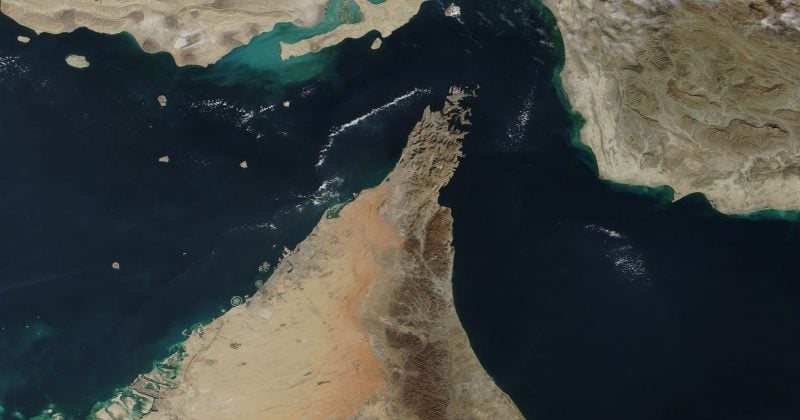
Iranian state media reported explosions across multiple coastal cities near the Strait of Hormuz, with unconfirmed strike reports near Sirik adding to an already tense picture across the region. The Strait of Hormuz handles roughly 20% of the world’s daily oil and LNG shipments, making it the kind of place where a loud noise in the wrong direction can move energy prices globally within the hour.
The explosions, reported across incidents on June 11, June 15-16, and around June 27, 2026, hit coastal areas including Sirik, Qeshm Island, and Bandar Abbas. These are not remote outposts. Bandar Abbas is Iran’s largest port city on the Persian Gulf, and Qeshm Island sits directly at the mouth of the strait itself.
What’s actually happening in the strait
The broader backdrop here is a collapse of ceasefire negotiations between the US and Iran, which has sent tensions spiraling since early 2026. Shipping traffic through the strait has been severely restricted since late February 2026, a disruption that was already straining global energy supply chains before the latest round of explosions.
Reports connect the incidents to US strikes targeting military and petrochemical installations inside Iran. Neither side has fully confirmed the scope of what’s been hit.
Iran’s crypto toll system is a real thing now
Since mid-March 2026, Iran’s Islamic Revolutionary Guard Corps has been collecting transit fees from vessels passing through the strait, and they are accepting payment in Bitcoin, USDT, and Chinese yuan. Iranian parliamentary measures and shipping industry reports have confirmed the structure.
The toll can reach up to $2 million per vessel, or $1 per barrel of cargo, payable in crypto. Iranian officials have suggested the system could generate billions annually if adopted at scale.
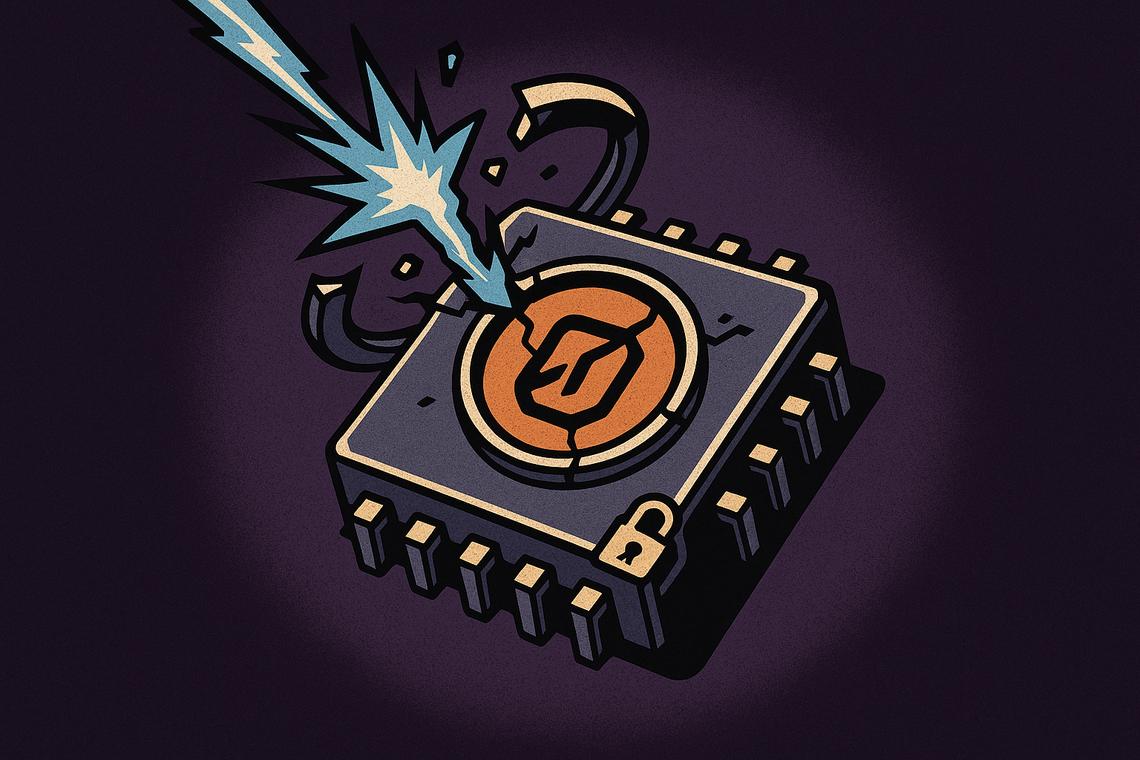
Conventional dollar-denominated payments are difficult for Iran to access given existing sanctions architecture. Crypto, particularly stablecoins like USDT and a pseudonymous asset like Bitcoin, offers a workaround that is harder to intercept at the correspondent-banking level. Large USDT transactions are traceable on-chain, and Tether has previously frozen wallets tied to sanctioned entities. Bitcoin transactions, while pseudonymous, leave a permanent public record. The system may be more leaky than Iranian planners expect, but it is functioning enough that ships are reportedly using it.
What this means for crypto investors
Bitcoin’s price fell below $63,000 coinciding with the mid-June explosion reports. Ethereum saw steeper percentage losses than Bitcoin during the same window, and altcoin positions faced liquidations as risk aversion spiked.
Crypto does not hedge geopolitical risk the way gold does, at least not yet and not consistently. When a crisis escalates fast, Bitcoin gets dumped with everything else. The narrative of Bitcoin as a safe-haven asset runs into real trouble every time a headline like this prints and prices drop in response.
A sovereign state systematically collecting revenue in Bitcoin and USDT is a meaningful data point for institutional investors thinking about crypto’s long-term role in global finance. Traders with exposure to volatile altcoins or leveraged positions should be watching the region’s developments as closely as any on-chain metric right now.
Disclosure: This article was edited by Editorial Team. For more information on how we create and review content, see our Editorial Policy.





 English (US) ·