
 4 hours ago
14
4 hours ago
14
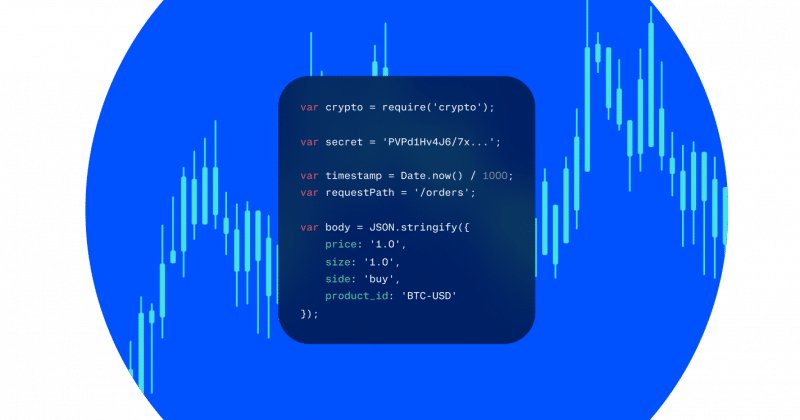
Crypto trading has always had a timing problem. You spot an entry price you like, blink, and suddenly you’re chasing a move you already missed. Farcaster’s Warpcast Wallet just took a swing at that problem by adding limit order functionality, letting users set a target price for a token trade and have it fill automatically when the market gets there.
The feature rolled out on July 6, 2026, and it represents a meaningful upgrade for a platform that has spent the last few years quietly building a case for social finance as a real category.
What the feature actually does
A limit order is essentially a standing instruction to your broker, or in this case, your wallet. You say “buy this token when it hits X price” and the system waits, watches, and executes without you needing to babysit a price chart.
The Warpcast Wallet’s new limit order support applies broadly across tokens available through the wallet, with no specific trading pairs called out in the announcement. The execution is automatic once market conditions match a user’s chosen price, removing the need to monitor prices manually or hop between the Farcaster app and a separate exchange interface.
Farcaster charges a 0.85% transaction fee on trades processed through the wallet, which means the platform earns revenue every time one of these limit orders fires. More trading volume, more fee revenue. The incentive alignment is straightforward.
The wallet already supported on-chain transactions directly within the Warpcast app before this update. Limit orders extend that capability from reactive trading, where you act when you happen to see a price you like, into proactive trading, where the system acts for you.
Why this matters for Farcaster’s bigger ambitions
Farcaster is a decentralized social protocol built on Ethereum layer-2 infrastructure. The core pitch is user-owned data with on-chain composability.
The platform’s Frames feature, which allows developers to embed interactive on-chain experiences directly inside social posts, showed early that Farcaster was serious about collapsing the distance between social interaction and financial action. Limit orders continue that trajectory.
The platform’s layer-2 foundation matters here too. Ethereum’s base layer would make frequent automated order checks and executions expensive in gas fees. Operating on L2 infrastructure keeps those costs low enough that limit orders are actually practical for everyday users, not just whales who can absorb transaction overhead.
What investors and traders should watch
The 0.85% fee structure is worth keeping an eye on for active traders. On a large position, that fee compounds meaningfully across multiple trades. Dedicated DEX aggregators often compete on fee minimization, so Farcaster’s value proposition has to justify the fee through convenience rather than price alone.
As of the announcement date, there has been limited external coverage from major crypto news outlets such as CoinDesk and Decrypt, suggesting that this feature is either recent or breaking news in the crypto industry.
Disclosure: This article was edited by Editorial Team. For more information on how we create and review content, see our Editorial Policy.






 English (US) ·