
 2 hours ago
16
2 hours ago
16
The Federal Reserve just did something it hasn’t done in over three years: raised interest rates. The FOMC voted unanimously to lift the federal funds rate by 25 basis points to a target range of 3.75%-4%, ending a streak of five consecutive holds and marking the first hike since July 2023.
The inflation problem that won’t quit
Updated economic projections from the committee paint a picture that should make anyone hoping for a quick return to normal reconsider their timeline. The Fed now forecasts headline PCE inflation at 3.7% for 2026, with core inflation running at 3.4%. According to the committee’s own projections, they don’t expect to actually reach the 2% target until 2029.
Stronger-than-expected inflation data and rising oil prices were cited as key factors behind the decision. The post-meeting statement acknowledged that economic activity remains solid, supported by robust domestic spending and productivity gains, but that inflation remains “elevated.”
Chair Kevin Warsh, presiding over his first rate increase since taking office earlier this year, emphasized the Fed’s commitment to price stability. He framed the decision within a landscape of geopolitical uncertainties, essentially arguing that doing nothing carried its own risks.
The vote was 12-0. No dissents.
What the dot plot says about where rates are headed
16 of 18 FOMC members now project at least one additional rate increase before the end of 2026. Some members see as many as two more hikes coming. That means the federal funds rate could end the year somewhere between 4%-4.25% on the low end and 4.25%-4.5% on the high end.
Market response and what comes next
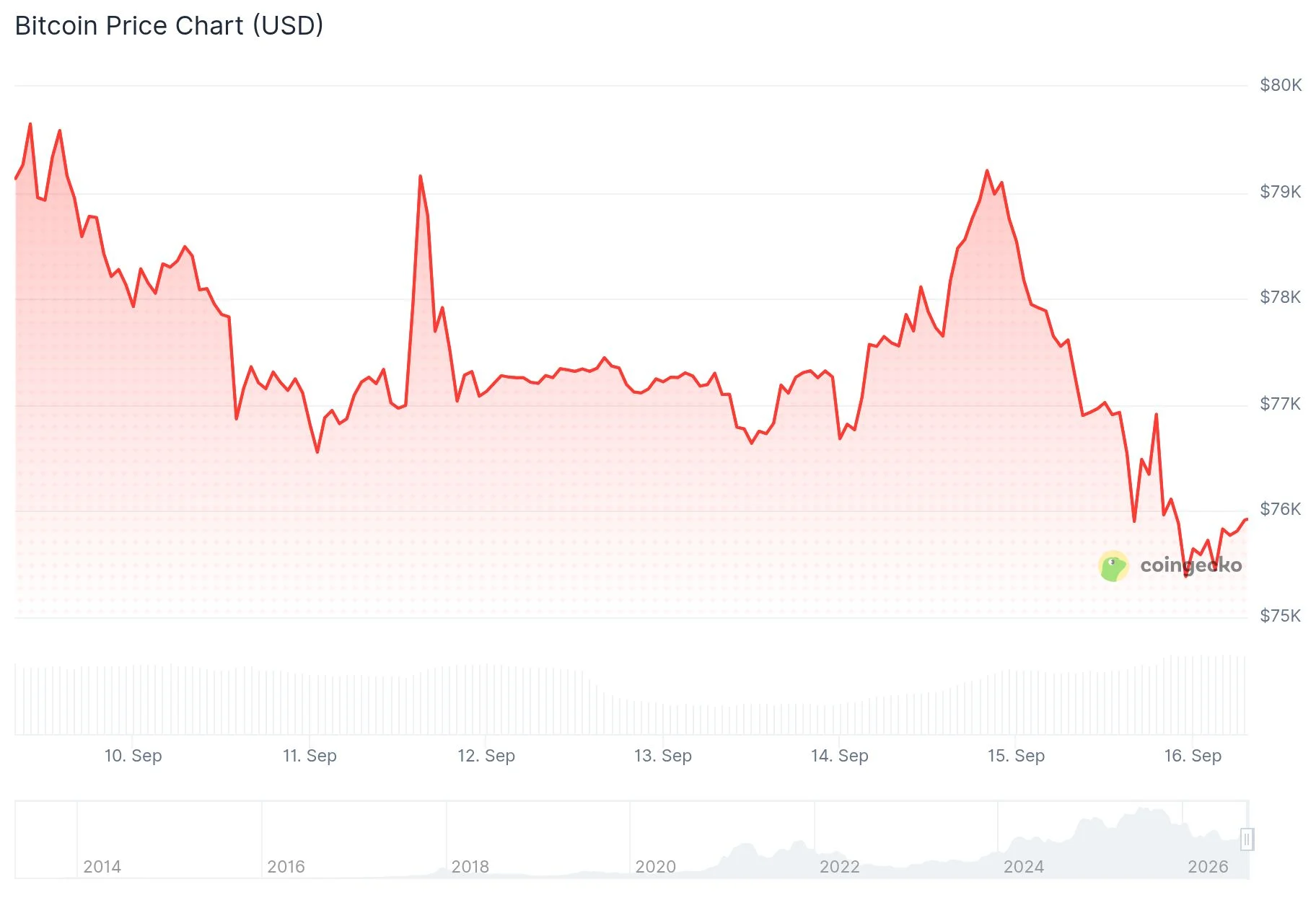
The initial market reaction was relatively contained, largely because traders had positioned for this outcome. The yield curve flattened modestly, which typically happens when short-term rates rise faster than long-term rates.
Traders and investors should watch upcoming CPI prints, oil price movements, and any shifts in Fed communication between now and the next meeting. The committee has made clear that future decisions will be data-dependent. In an environment where 16 of 18 members see more tightening ahead, the burden of proof has shifted: it would take meaningfully softer data to keep the Fed from hiking again.
Disclosure: This article was edited by Editorial Team. For more information on how we create and review content, see our Editorial Policy.








 English (US) ·