
 1 month ago
26
1 month ago
26
- Markets see a very high chance the Fed holds rates on March 18
- Higher oil prices are reviving inflation fears and delaying cut hopes
- Bitcoin and broader crypto could stay sensitive to every Fed signal
The Federal Reserve now heads into its March 18 meeting with a much messier backdrop than investors expected only weeks ago. Rising oil prices tied to the Iran conflict have pushed inflation fears back into the spotlight, and that has made the case for near-term rate cuts much harder to defend. CME FedWatch currently shows markets overwhelmingly expecting the Fed to leave rates unchanged, while the odds of cuts at the next few meetings have also dropped sharply.
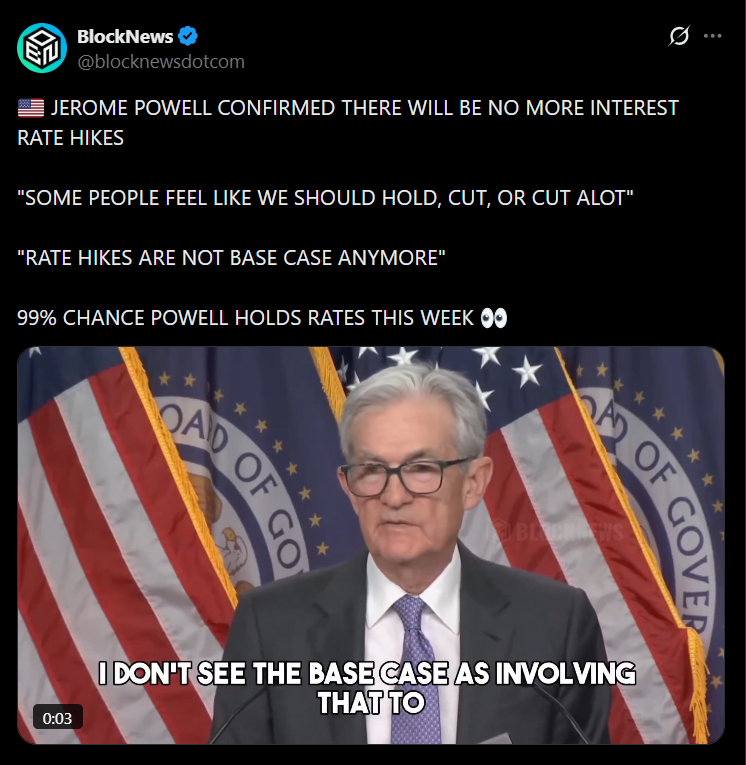
That matters for crypto because Bitcoin and altcoins tend to react quickly when rate-cut expectations shift. A more cautious Fed usually means tighter liquidity, and tighter liquidity tends to keep pressure on risk assets. At the same time, the macro picture still isn’t clean either, which is why this meeting feels unusually important.
Inflation Pressure Is Back in Focus
The biggest problem for the Fed right now is that inflation was already proving sticky before the latest energy shock. The Fed’s preferred inflation gauge, the PCE price index, rose 2.8% year over year in January, according to the BEA, showing price pressures were still running above the central bank’s 2% target even before the latest oil spike.
When oil prices rise, the effect rarely stays isolated. Higher energy costs can feed into transportation, utilities, and food prices, making it harder for policymakers to justify easing policy too early. That is why economists who had been leaning toward a June cut are starting to rethink those forecasts, and in some cases, pushing expectations much further out.
The Labor Market Is Softening, but Not Enough Yet
The Fed is also dealing with a labor market that is showing some fatigue, which is where the real tension comes in. The latest BLS data showed nonfarm payrolls fell by 92,000 in February while the unemployment rate held at 4.4%. That weakens the growth picture, but not necessarily enough to force the Fed into cutting while inflation risks are rising again.
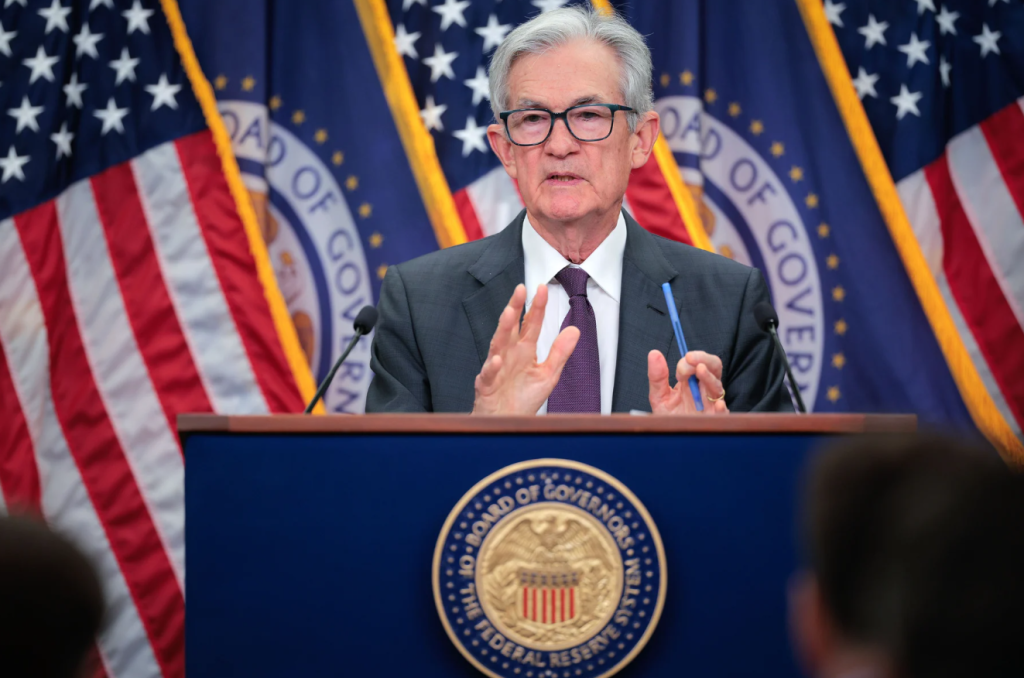
So the central bank is stuck in an awkward spot. Cut too early, and inflation could reaccelerate. Stay too tight for too long, and labor conditions could deteriorate further. That balancing act is exactly why markets now appear much less confident that easing will come quickly.
Why Crypto Traders Are Watching So Closely
For crypto, the takeaway is fairly simple. If the Fed stays hawkish or even just sounds more cautious than expected, that could cap upside for Bitcoin in the near term, especially after recent relief rallies. But if policymakers acknowledge labor weakness more directly or hint that cuts are still possible later in 2026, risk assets could respond positively.
Right now, the market seems to be leaning toward a hold, not a pivot. And until inflation cools more convincingly or the jobs picture worsens enough to force action, crypto may keep trading around macro headlines rather than clean bullish momentum.
Disclaimer: BlockNews provides independent reporting on crypto, blockchain, and digital finance. All content is for informational purposes only and does not constitute financial advice. Readers should do their own research before making investment decisions. Some articles may use AI tools to assist in drafting, but every piece is reviewed and edited by our editorial team of experienced crypto writers and analysts before publication.







 English (US) ·