
 9 hours ago
23
9 hours ago
23
The Federal Reserve held rates steady at its June meeting. Not everyone was happy about that.
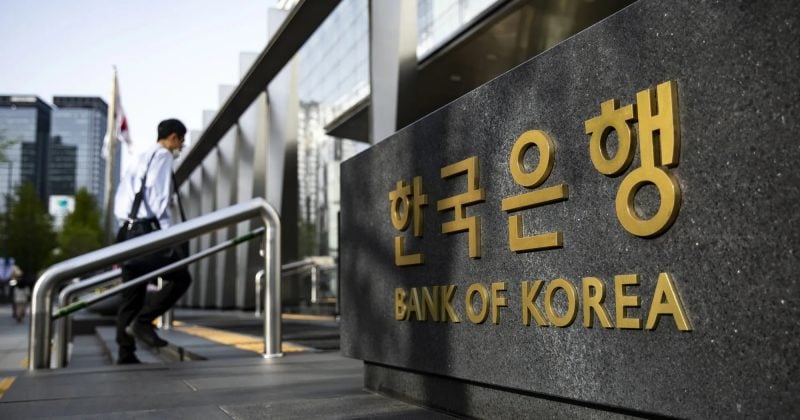
Minutes from the June 16-17 FOMC meeting, released on July 8, revealed a meaningful faction of policymakers who wanted to raise interest rates immediately, citing persistent inflation that has stubbornly refused to behave. The committee ultimately voted unanimously to keep the federal funds rate in its current range of 3.5% to 3.75%, but unanimous votes can hide a lot of internal disagreement, and this one did.
The inflation number driving all this anxiety: PCE price inflation came in at an estimated 4.1% in May 2026. The Fed’s target is 2%.
A new chair, an old problem
New Fed Chair Kevin Warsh presided over the June meeting. The inflation pressures cited in the minutes aren’t coming from a single source. AI-driven capital investment, geopolitical tensions linked to Iran, tariffs, and surging energy prices were all flagged as contributing factors.
The jobs market added a layer of complication. June saw only 57,000 jobs added. But with PCE running at 4.1%, the committee can’t simply look away from inflation either.
Half the committee sees rates going higher
Nine of the eighteen policymakers on the committee projected the federal funds rate to either hold steady or move higher by the end of 2026.
Futures markets moved to price in at least one additional 25 basis point rate hike by late 2026 or early 2027.
What this means for Bitcoin and risk assets
Bitcoin was trading in the $61,000 to $62,000 range during the period surrounding the minutes release, caught in the same macroeconomic crosscurrents hitting every risk-sensitive asset class.
The weaker jobs number creates some tension in that story. Softer employment data traditionally reduces rate hike probability, which would be constructive for risk assets. But the PCE figure running at 4.1% means the Fed may not have the luxury of responding to labor market weakness the way it normally would.
Disclosure: This article was edited by Editorial Team. For more information on how we create and review content, see our Editorial Policy.






 English (US) ·