
 1 hour ago
14
1 hour ago
14
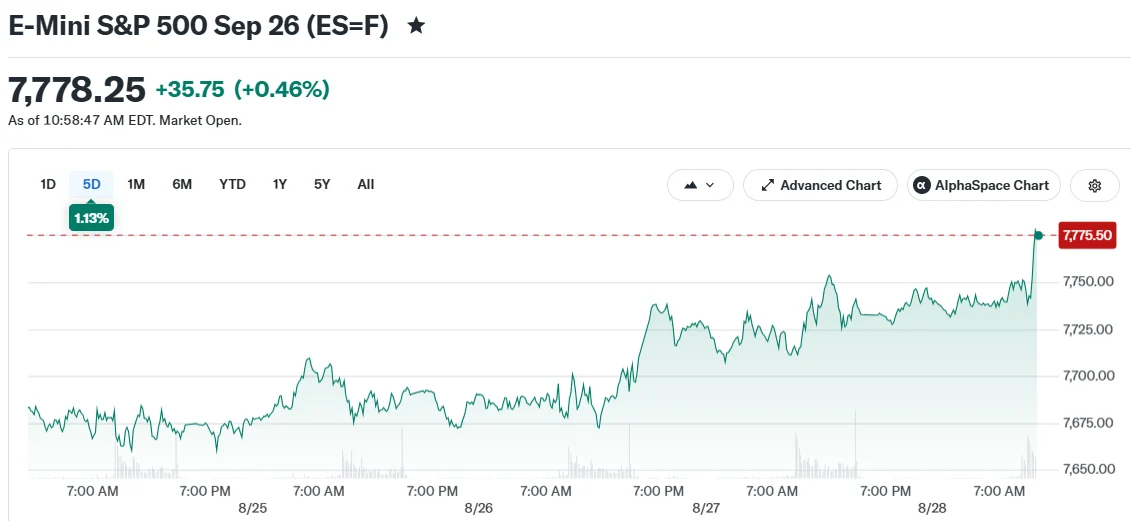
Kevin Warsh has a message for bond traders: stop listening to him so closely and start paying attention to the economy.
The Federal Reserve Chairman, roughly 100 days into his tenure, used his first Jackson Hole Economic Policy Symposium speech on August 28 to lay out a vision for what he calls a “quieter Fed.” The core argument is deceptively simple. Markets should move on inflation prints, jobs data, and GDP growth, not on parsed syllables from central bankers.
The quiet Fed thesis
Warsh’s argument is that excessive Fed communication has created a feedback loop where bond prices reflect expectations about what the Fed will say next, rather than what the economy is actually doing.
Warsh didn’t mince words about the inflation picture. The Personal Consumption Expenditures price index, the Fed’s preferred inflation gauge, sat at 3.7% year-over-year at the time of his remarks. The six-month annualized rate was even worse at 4.1%, suggesting price pressures have been accelerating rather than cooling.
Perhaps most telling: 54% of the PCE basket recorded price increases greater than 3% annually. Inflation isn’t just a headline number problem. It’s broad-based, touching more than half of what consumers actually buy.
A data-driven ultimatum
Warsh set what amounts to a public criterion for the central bank’s next move. Inflation must “clearly and sufficiently” decline toward the 2% target, or additional policy actions will follow.
The economic backdrop includes some positive indicators. Unemployment stood at 4.1% at the time of the speech. Business investment has been robust, with Warsh pointing to artificial intelligence as a driver of capital spending.
He explicitly stated that price stability requires “active policy measures” and is not an automatic outcome.
How bond markets are responding
Bond markets responded to the speech with notable volatility. Long-term Treasury yields had already surged to levels not seen since 2007 in the months leading up to Jackson Hole.
If the six-month PCE rate of 4.1% represents a temporary bump, then current yield levels may already price in sufficient tightening. If it represents a new baseline, the bond market has considerably more repricing ahead of it.
Disclosure: This article was edited by Editorial Team. For more information on how we create and review content, see our Editorial Policy.



 English (US) ·