
 1 hour ago
13
1 hour ago
13
Christopher Waller, the Federal Reserve governor who owes his seat to Donald Trump, is pushing back against the president’s repeated demands for lower interest rates. Not because he disagrees with the direction, mind you, but because he wants to get there his own way, on his own timeline, using his own data.
The case Waller is actually making
Waller has been one of the more vocal advocates for rate cuts within the Fed, pushing for multiple 25 basis point reductions as far back as late 2025. His argument centers on the labor market, where he sees signs of softening that justify easing monetary policy.
In July 2025, Waller dissented alongside Governor Michelle Bowman, arguing that the Fed should cut rates immediately based on deteriorating labor conditions.
On tariffs, Waller has consistently characterized their inflationary impact as temporary. That matters because it removes one of the key arguments hawks use to keep rates higher for longer.
Why crypto markets should pay attention
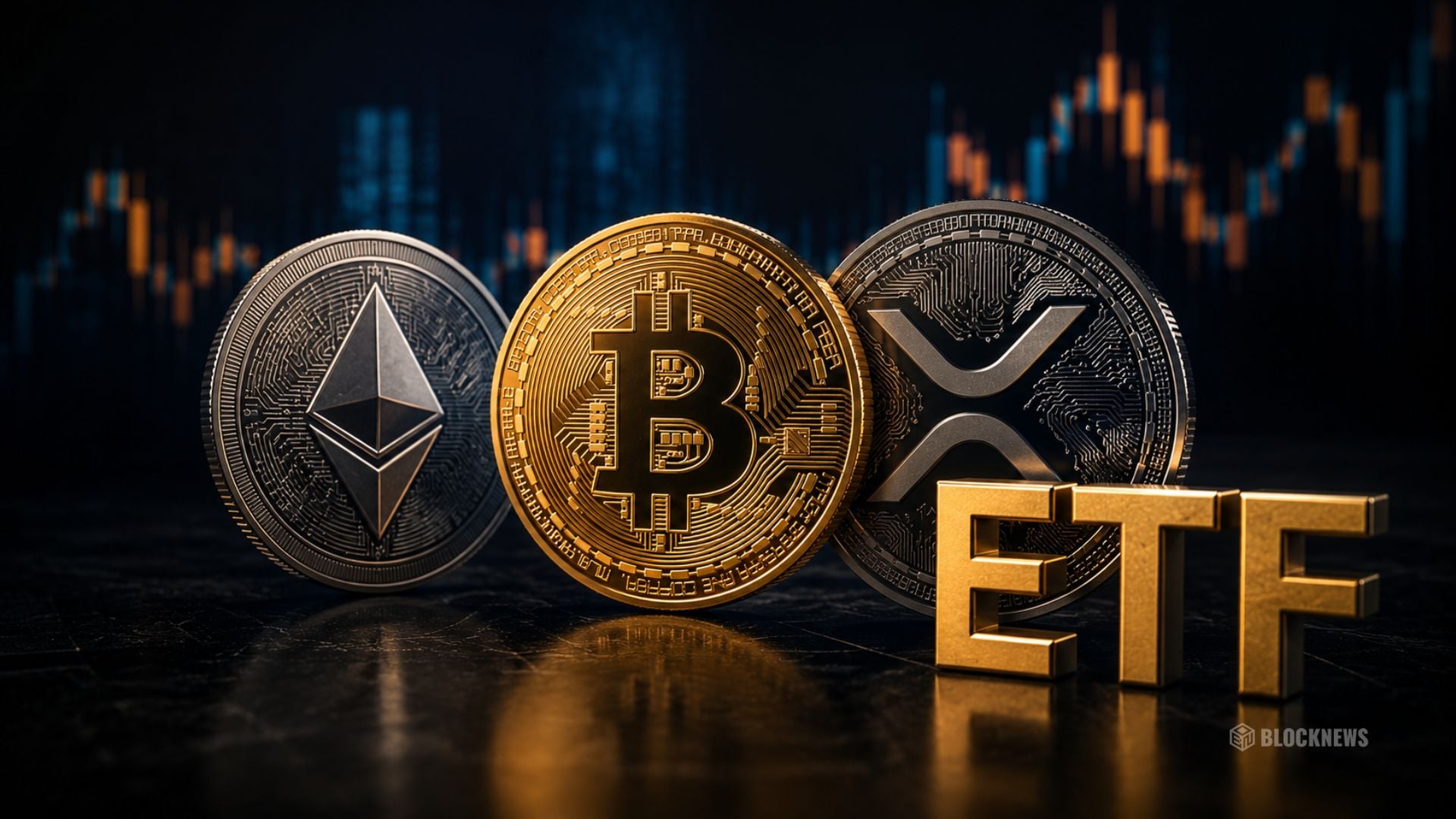
In February 2026, Waller directly addressed the digital asset landscape, noting that the initial wave of crypto optimism following Trump’s election had faded considerably. He described Bitcoin’s persistent volatility as “part of the game.”
Waller is widely considered a leading candidate to succeed Jerome Powell as Fed Chair when Powell’s term expires in May 2026. Trump interviewed Waller in December 2025 and reportedly praised him as “great.”
The independence question
Waller has indicated a commitment to emphasizing the Federal Reserve’s independence from political pressure. In a recent speech on monetary policy transmission, he managed to discuss the mechanics of rate decisions without directly referencing Trump’s calls for cuts.
What this means for investors
Waller’s dissenting vote in July 2025 established him as someone willing to act on labor market weakness before it becomes a crisis.
The wildcard is Waller’s view on tariff inflation as temporary. If he’s right, the Fed has more room to cut without worrying about reigniting price pressures. If he’s wrong, and tariff effects prove stickier than expected, a Waller-led Fed could find itself cutting into rising inflation.
A Fed Chair who views Bitcoin volatility as “part of the game” rather than evidence of systemic risk represents a meaningful shift in regulatory posture at the highest levels of financial oversight.
Disclosure: This article was edited by Editorial Team. For more information on how we create and review content, see our Editorial Policy.




 English (US) ·