
 1 hour ago
10
1 hour ago
10
Beth Hammack, the president of the Federal Reserve Bank of Cleveland, is sounding an alarm that few on Wall Street want to hear: the Fed’s current interest rate stance isn’t doing enough to slow the economy down.
Hammack’s assessment that the economy “does not show much policy restraint” is the latest in a string of increasingly hawkish comments from the Cleveland Fed chief.
A pattern of hawkish signals
This isn’t a one-off comment. Hammack has been building this case methodically since late 2025, when she first described the Fed’s policy stance as “barely restrictive, if at all.” In a February 2026 speech, she went further, stating that the federal funds rate sits in the “vicinity of neutral.” In English: the current level of interest rates is neither helping nor hurting economic growth, which is a problem if your goal is to cool things down.
Then on June 2, 2026, speaking at the City Club of Cleveland, Hammack sharpened the point. She warned that the Fed’s current policy may not be sufficient to bring inflation back to its 2% target. And she raised a scenario that makes investors nervous: if inflationary pressures stick around, rates may need to go higher.
Hammack holds a vote on interest rate decisions in 2026, making her views directly consequential for policy outcomes.
Her concern centers on a specific risk: that an inflationary mindset could become entrenched in the economy. If businesses and consumers start expecting prices to keep rising, they behave in ways that make prices keep rising. The Fed’s job is to break that cycle before it takes hold, and Hammack is suggesting the current toolkit isn’t getting the job done.
What “neutral” really means for markets
The Fed’s standard playbook calls for rates to be “restrictive,” meaning above neutral, when inflation runs hot. Hammack’s repeated observation that policy barely qualifies as restrictive suggests the committee may be behind the curve.
Hammack took over as president and CEO of the Cleveland Fed on August 21, 2024. In less than two years, she has established herself as one of the more hawkish voices on the committee, consistently pushing back against the notion that current policy is sufficiently tight.
What this means for investors
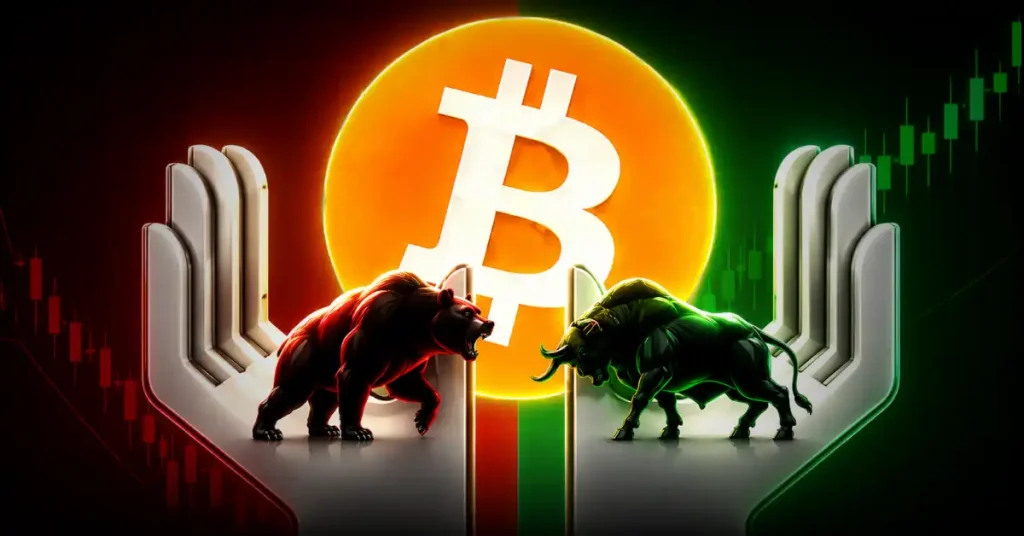
Bitcoin and the broader crypto market have historically shown sensitivity to shifts in monetary policy expectations. The 2022 crypto downturn coincided with the Fed’s most aggressive rate-hiking cycle in decades.
Hammack has made no public references to cryptocurrencies or digital assets in her recent speeches. Her focus remains squarely on traditional economic metrics: inflation, the labor market, and the transmission of monetary policy through the real economy.
The key variable to watch is whether Hammack remains a lone hawk or whether other committee members start echoing her assessment. Hammack’s argument—that the economy is essentially shrugging off current interest rate levels—is hard to dismiss given the inflation data that continues to run above target.
Disclosure: This article was edited by Editorial Team. For more information on how we create and review content, see our Editorial Policy.






 English (US) ·