
 1 hour ago
15
1 hour ago
15
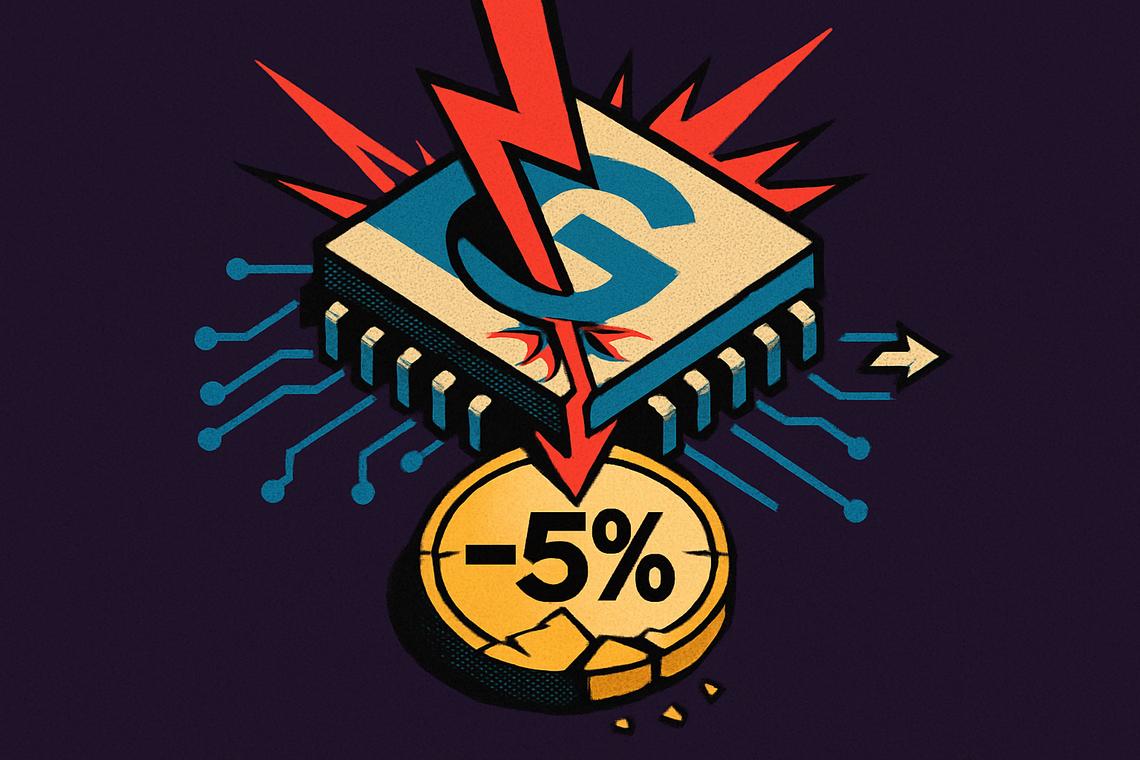
Forge, the analytics platform built on Allora Network, has rolled out 15-minute realized volatility forecasting for four of the most heavily traded crypto pairs: BTC/USD, ETH/USD, SOL/USD, and XRP/USD.
What 15-minute realized volatility actually means
The actual metric, realized volatility, measures the magnitude of price fluctuations over a specific historical window, expressed as a statistical value. It tells you how jumpy an asset has actually been, not how jumpy people expect it to be (that would be implied volatility). By compressing that measurement into 15-minute intervals, Forge is giving traders a near-real-time pulse on price action intensity.
Most volatility tools in crypto operate on daily or hourly timeframes. A 15-minute window is the kind of resolution that options market makers, algorithmic trading desks, and high-frequency strategies depend on.
The four pairs Forge chose are not accidental. Bitcoin and Ethereum are the two largest digital assets by market capitalization. Solana has become a hub for DeFi and memecoin activity, generating enormous intraday volume. XRP remains one of the most actively traded assets globally, particularly on Asian exchanges.
Why Forge’s positioning on Allora matters
Forge operates on Allora Network, a decentralized AI inference platform. Rather than relying on a single proprietary model running on centralized infrastructure, Allora’s architecture aggregates predictions from a network of competing models. The best-performing models get rewarded, creating an economic incentive for accuracy.
Multiple AI models submit their volatility forecasts, and the network synthesizes them using a mechanism designed to surface the most reliable signal. For Forge specifically, adding these volatility topics expands the platform beyond simple price prediction into risk analytics.
What this means for traders and the broader market
For individual traders, especially those running intraday strategies, 15-minute volatility data can serve as a filter. High volatility windows might signal opportunity for momentum traders, while the same signal would tell mean-reversion traders to sit on their hands.
For institutional players and algorithmic desks, realized volatility at high frequency is a critical input for options pricing, delta hedging, and risk management models. As crypto derivatives markets continue to mature, with products on exchanges like Deribit, CME, and various DeFi protocols growing in sophistication, the demand for precise volatility inputs only increases.
The choice to launch with four assets rather than dozens also suggests a quality-over-quantity approach. Bitcoin’s volatility profile behaves differently than Solana’s, which trades with significantly higher beta and thinner order books during off-hours.
One risk to keep in mind: volatility forecasting models, no matter how sophisticated, struggle during true black swan events. The 15-minute window captures normal market dynamics well, but flash crashes, exchange outages, or sudden regulatory announcements can render any model temporarily useless.
Disclosure: This article was edited by Editorial Team. For more information on how we create and review content, see our Editorial Policy.







 English (US) ·