
 3 months ago
56
3 months ago
56
- France charges 88 suspects tied to crypto-related kidnappings and extortion
- Attacks rising sharply, with incidents occurring roughly every few days
- Data leaks and public records are helping criminals identify targets
France is dealing with something far more serious than market volatility right now, and it’s not getting nearly enough attention. Authorities have charged 88 individuals across multiple investigations tied to kidnappings and extortion targeting crypto holders, and the numbers suggest this isn’t slowing down anytime soon.
What used to be rare incidents are now happening with uncomfortable frequency, almost one every few days, which changes how people need to think about holding digital assets entirely.
When Crypto Security Becomes Physical
These so-called “wrench attacks” aren’t about hacking wallets or breaking encryption, they’re about forcing access through real-world violence. Home invasions, kidnappings, and physical threats are being used to extract private keys or force transfers, bypassing every layer of digital security in the process.
It’s a harsh reminder that while crypto is built on strong cryptography, the weakest point is often still the person holding the keys.
France Becomes the Epicenter
France has emerged as a major hotspot for these crimes, accounting for a significant share of crypto-related ransom attacks in Europe. The scale is difficult to ignore, with dozens of incidents recorded over the past few years, including cases involving extreme violence and high-profile victims.
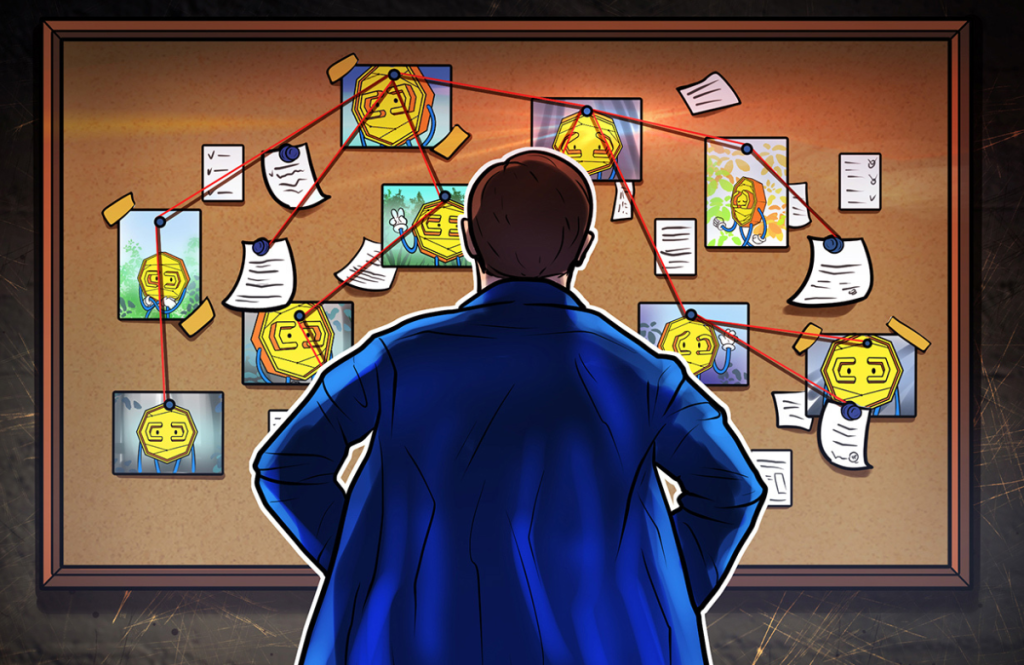
Some of these situations have drawn national attention, including kidnappings linked to known figures in the crypto space, which has only intensified concern around the issue.
How Criminals Are Finding Targets
The uncomfortable part is how attackers are identifying victims. Investigations suggest that leaked data from exchanges, combined with public records and online activity, is being used to map out individuals with significant crypto holdings.
Once that connection is made, between a wallet and a real-world identity, it creates a clear target, and that’s where things escalate.
A Growing Problem the Industry Can’t Ignore
Authorities are urging users to stay cautious, limit public exposure, and be careful about sharing personal details, which is good advice, but it only goes so far. The broader issue is structural, the way data, identity, and ownership intersect in crypto is becoming easier to trace than many people realize.
Enforcement actions are increasing, but they still seem to be catching up to the scale of the problem. For now, the takeaway is simple but uncomfortable, securing your crypto isn’t just about wallets and passwords anymore, it’s about personal safety too.
Disclaimer: BlockNews provides independent reporting on crypto, blockchain, and digital finance. All content is for informational purposes only and does not constitute financial advice. Readers should do their own research before making investment decisions. Some articles may use AI tools to assist in drafting, but every piece is reviewed and edited by our editorial team of experienced crypto writers and analysts before publication.








 English (US) ·