
 1 hour ago
20
1 hour ago
20
Asian airlines are experiencing a decline in passenger numbers and fare advantages on European routes as Gulf carriers resume operations and offer more competitive pricing. This shift follows the recent U.S.-Iran peace agreement and a regional ceasefire extension, which have allowed Gulf airlines to restore flights that were previously disrupted due to the Iran conflict. The initial disruptions had benefited Asian airlines, which saw increased traffic and higher fares. However, as Gulf carriers like Emirates and Gulf Air re-enter the market, the competitive landscape is changing, potentially impacting Asian airlines’ market share.
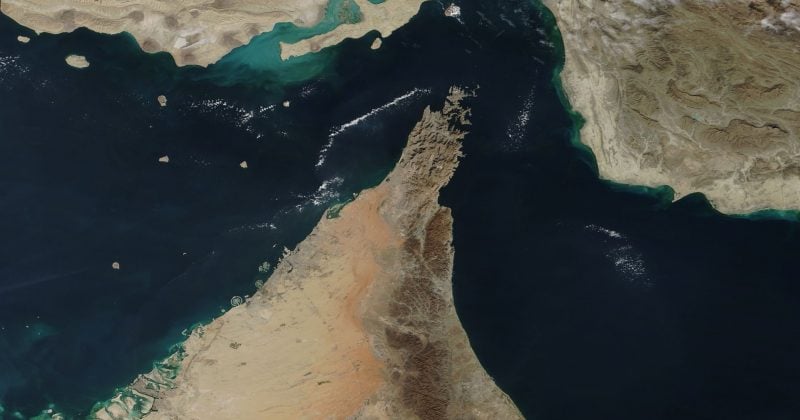
The reopening of Middle Eastern airspace has brought about a gradual recovery in the aviation sector, which had faced severe disruptions, including over 15,000 flight cancellations and a doubling of jet fuel prices. This recovery is part of a broader de-escalation in the region, marked by the reopening of the Strait of Hormuz and the removal of a U.S. naval blockade. As a result, the aviation market is transitioning from acute disruption to a phase where capacity is returning, and price pressures are easing. Market participants appear to interpret these developments as reducing escalation risks and facilitating a return to normalcy in regional aviation corridors.
Key Takeaways
- Gulf carriers restoring flights and lowering fares appears to be eroding the temporary advantages that Asian airlines gained on European routes.
- The reopening of Middle Eastern airspace and regional de-escalation is consistent with a gradual recovery in the aviation sector.
- Market pricing suggests participants view the restoration of Gulf carrier operations as a key indicator of reduced escalation risks.
What to Watch
Observers will be keen to see if the continued resumption of Gulf carrier operations will maintain pressure on Asian airlines’ market share. Any announcements from major Gulf carriers regarding further network expansions or fare adjustments could further shift the competitive dynamics. Additionally, developments in the U.S.-Iran diplomatic negotiations may influence the stability of the aviation market and the broader geopolitical landscape. Market participants will likely monitor these factors for indications of continued recovery or potential setbacks.
Get prediction market intelligence as a structured API feed. Early access waitlist.
Disclosure: This article was edited by Estefano Gomez. For more information on how we create and review content, see our Editorial Policy.







 English (US) ·