
 1 month ago
74
1 month ago
74
The Gulf Cooperation Council, long one of the world’s most reliable sources of cross-border investment capital, is pulling back. The Iran war that escalated in late February 2026 has forced Saudi Arabia, the UAE, Kuwait, and Qatar into a defensive economic crouch, redirecting sovereign wealth away from international markets and toward domestic priorities.
The numbers tell the story clearly. The World Bank downgraded its 2026 GDP growth projection for the region from 4.4% to 1.3%, a cut so deep it puts certain GCC economies on the edge of recession by year-end.
The great capital repatriation
Saudi Arabia’s Public Investment Fund made the shift explicit in April 2026. It reduced its planned global asset allocation from 30% to 20% of its portfolio.
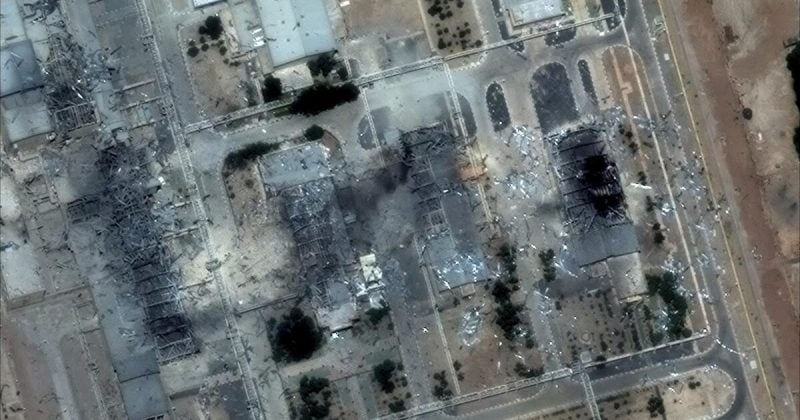
Gulf states have reportedly been considering repatriating billions from US investments since early March 2026, just weeks after the conflict escalated with direct strikes on Gulf infrastructure.
Why the money is staying home
Direct strikes on Gulf infrastructure have disrupted energy exports, the lifeblood of GCC fiscal health. At the same time, defense expenditures are climbing as the region grapples with active conflict on its doorstep.
Current account surpluses for GCC states are expected to contract significantly in 2026 due to export disruptions. Saudi Arabia’s Vision 2030, the UAE’s economic transformation agenda, and Qatar’s post-World Cup investment plans all face recalibration in a wartime economy.
What this means for global markets and crypto
Sectors that have historically attracted heavy Gulf investment, including technology, real estate, infrastructure, and financial services, could see increased volatility as a reliable buyer steps back from the table.
The cryptocurrency market, while not directly targeted by GCC investment reductions, is not immune to these dynamics. Broader geopolitical tensions have already fueled volatility in digital asset prices, including Bitcoin. No major crypto-native protocols have been specifically cited in the investment downturn.
Disclosure: This article was edited by Editorial Team. For more information on how we create and review content, see our Editorial Policy.


 English (US) ·