
 1 week ago
37
1 week ago
37
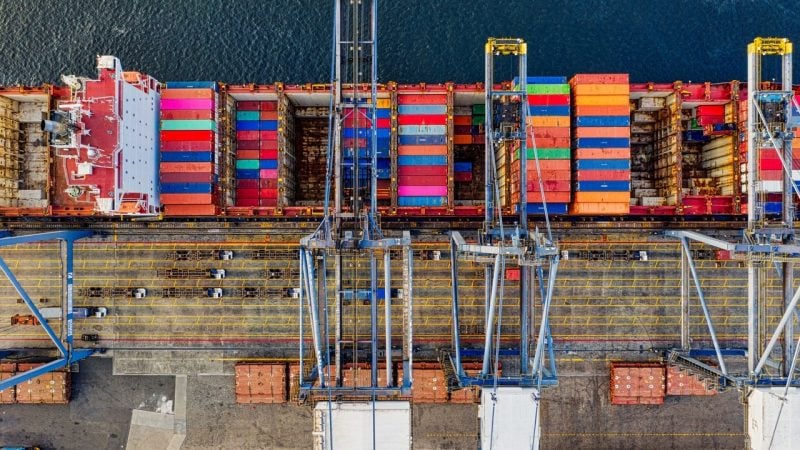
Yemen’s Houthi forces have reached Perim Island, a volcanic outcrop sitting directly in the Bab al-Mandeb Strait, one of the most consequential maritime chokepoints on Earth. Roughly 10-12% of all global seaborne trade passes through that narrow waterway connecting the Red Sea to the Gulf of Aden.
The island seizure came on September 11, just one day after Houthi militants captured the port city of Mokha from Saudi-backed Yemeni government forces. Government troops withdrew not only from Perim but also from the nearby coastal town of Dhubab, effectively ceding control of a stretch of coastline that sits roughly 70-80 kilometers from the strait itself.
A rapid coastal advance
Mokha’s fall on September 10 was the domino that set the rest in motion. Within 24 hours, their forces had reached Perim Island. The island, sometimes called Mayyun, splits the Bab al-Mandeb into two channels. Whoever holds it can monitor, and potentially threaten, every vessel transiting between Europe and Asia via the Suez Canal route.
UN Envoy Hans Grundberg didn’t mince words on September 10, saying the situation is entering “a new and more dangerous phase.” That assessment came before the Perim Island advance was even confirmed.
Oil markets feel it immediately
Traders responded exactly how you’d expect when a well-armed militia parks itself next to a global shipping lane. Oil prices surged to near $100-$105 per barrel, the highest level since mid-May.
The price spike carries extra weight because of what’s happening on the other side of the Arabian Peninsula. The Strait of Hormuz has faced effective closures due to Iranian blockades following US and Israeli military strikes on Iran earlier in 2026. Saudi Arabia has been rerouting oil exports through Red Sea ports as an alternative.
That workaround just got a lot riskier. If both the Strait of Hormuz and the Bab al-Mandeb face simultaneous disruption threats, the world’s two primary oil transit corridors would be compromised at the same time.
Regional context and escalation risks
The Houthis have been disrupting Red Sea shipping since late 2023, initially targeting vessels they claimed had ties to Israel in response to the Gaza conflict. Those earlier disruptions involved drone and missile attacks from Yemen’s coast. Physically controlling Perim Island represents a qualitative escalation, moving from harassment to territorial dominance of the waterway itself.
The broader regional picture has grown considerably more volatile in 2026. US and Israeli strikes on Iran created a cascade of retaliatory moves across Tehran’s network of allied militias. The Houthis, as Iran’s most capable proxy in the Arabian Peninsula, have used the moment to expand their territorial footprint.
For Saudi Arabia, the Houthi advance is a direct strategic threat. Riyadh has spent years backing Yemeni government forces precisely to prevent Iran-aligned militants from controlling the Red Sea coast. With Hormuz compromised and the Bab al-Mandeb under threat, Saudi oil exports face chokepoint risk on both available routes.
Disclosure: This article was edited by Editorial Team. For more information on how we create and review content, see our Editorial Policy.




 English (US) ·