
 1 hour ago
25
1 hour ago
25
India’s Ministry of External Affairs has publicly condemned recent attacks on commercial vessels in the Strait of Hormuz and Gulf of Oman, noting that two of the targeted ships were sanctioned under the US Treasury’s Office of Foreign Assets Control (OFAC) and a third was classified as non-compliant.
What happened to the Marivex
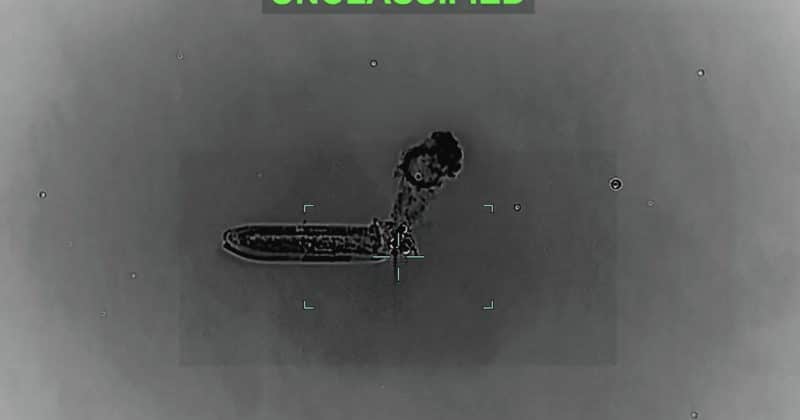
The most prominent incident involved the Marivex, a tanker previously known as the Arihant, which had already been designated under OFAC sanctions. On or around June 8, the vessel was struck by what has been described as a US precision strike after allegedly violating an ongoing blockade.
Twenty-four Indian crew members were aboard at the time. Omani forces conducted an emergency rescue operation, and no fatalities were reported.
India’s MEA classified the attacks on these vessels as “unacceptable.” The statement didn’t distinguish between the sanctioned and non-sanctioned vessels in its condemnation, instead focusing on the safety of Indian seafarers regardless of the ships’ regulatory status.
The broader enforcement campaign
Multiple commercial vessels have been targeted since the US-Iran conflict escalated in late February 2026, with Washington pursuing an aggressive interdiction strategy aimed at choking off Iranian oil revenue.
The Strait of Hormuz, through which roughly a fifth of the world’s oil passes on any given day, has become the central theater for this enforcement.
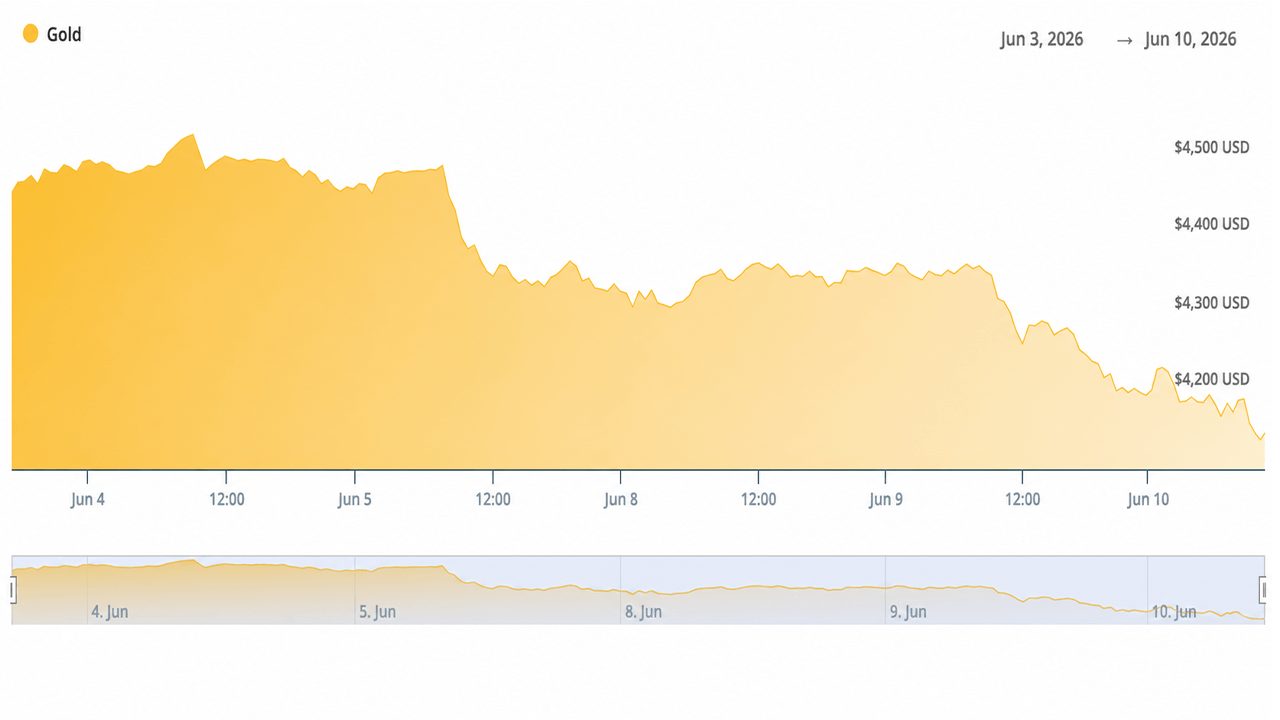
What this means for markets and risk appetite
That said, the crypto market hasn’t shown significant direct reaction to the Strait of Hormuz situation so far. Trading volumes and price action have been driven primarily by sector-specific catalysts rather than Middle Eastern maritime tensions.
Disclosure: This article was edited by Editorial Team. For more information on how we create and review content, see our Editorial Policy.




 English (US) ·