
 1 month ago
51
1 month ago
51
The US and Iran have been hammering out a draft memorandum of understanding that would establish a 60-day ceasefire, reopen one of the world’s most critical oil chokepoints, and begin the process of lifting sanctions on Iranian crude exports. It’s the most substantive diplomatic framework between the two countries since the 2015 nuclear deal, and it comes after months of military escalation that made the prospect of talks seem remote.
Here’s the thing: Iran’s ballistic missile program, the issue that arguably matters most to Washington’s regional allies, is nowhere in the document. Neither are Iran’s proxy militias. Both sides have made it clear those topics are not on the agenda.
What’s actually in the deal
The immediate provisions center on three things. First, a 60-day ceasefire that would pause the military tensions that have defined the relationship since late 2025. Second, reopening the Strait of Hormuz, through which roughly a fifth of the world’s oil supply passes daily. Third, initial sanctions relief designed to let Iranian oil flow back into global markets.
The broader nuclear questions, including uranium enrichment limits, remain punted to future negotiations. The US has pushed for zero enrichment or extremely strict limitations. Iran has countered with a proposal for time-bound enrichment suspension, essentially offering to pause rather than permanently dismantle its capabilities.
Talks have been conducted through indirect channels, with Oman and Pakistan serving as mediators. Neither side has sat across the table from the other in a direct bilateral format.
The backdrop: bombs before handshakes
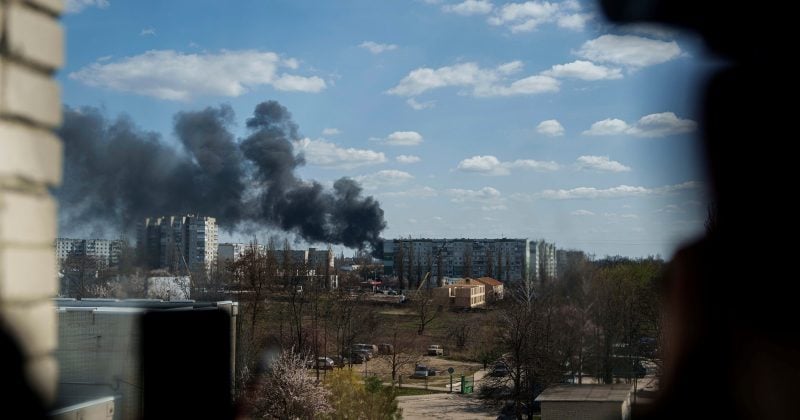
These negotiations follow a period of significant military escalation between late 2025 and early 2026, during which the US and Israel conducted strikes on Iranian nuclear and missile facilities. The US also imposed a naval blockade on Iranian ports, effectively choking off the country’s maritime trade routes.
Tehran has insisted on sanctions relief and asset unfreezing as necessary precursors to any further concessions.
The historical parallels to the 2015 Joint Comprehensive Plan of Action are hard to ignore. That agreement also excluded missile issues. The US withdrew from the JCPOA in 2018, and Iran subsequently accelerated its uranium enrichment activities, pushing well beyond the limits it had previously accepted.
The crypto angle and enforcement actions
In 2026, US authorities froze between $344 million and $500 million in Iranian-linked crypto assets, targeting sanctions evasion and terror financing networks.
For crypto markets more broadly, traders have been cautiously optimistic that a de-escalation in US-Iran tensions could boost risk appetite across digital assets. No specific tokens have been directly tied to the negotiation outcomes.
What this means for investors
The Strait of Hormuz is the world’s most important oil transit chokepoint, and its reopening would relieve supply pressure that has been building since the blockade began. If Iranian crude returns to global markets alongside a ceasefire, oil prices could stabilize or decline.
The simultaneous crackdown on Iranian-linked crypto, with hundreds of millions in seized assets, serves as a reminder that enforcement risk hasn’t gone away just because diplomacy is warming up.
The US wants zero enrichment. Iran wants a temporary pause. If the 60-day ceasefire expires without progress on bridging that gap, the entire framework could collapse. Oman and Pakistan are facilitating indirect talks rather than the two parties engaging directly, which adds further fragility to the process.
Disclosure: This article was edited by Editorial Team. For more information on how we create and review content, see our Editorial Policy.



 English (US) ·