
 1 hour ago
10
1 hour ago
10
Iran and the United States will resume diplomatic negotiations in Switzerland on Friday, marking the latest chapter in a series of talks that have quietly produced one of the most consequential geopolitical breakthroughs in years.
The two countries have reportedly reached a framework agreement, described as a memorandum of understanding, that would establish a permanent ceasefire across all fronts, reopen the Strait of Hormuz, and lift the US naval blockade on Iranian ports. A formal signing ceremony is scheduled for June 19, 2026, in Geneva.
What’s on the table
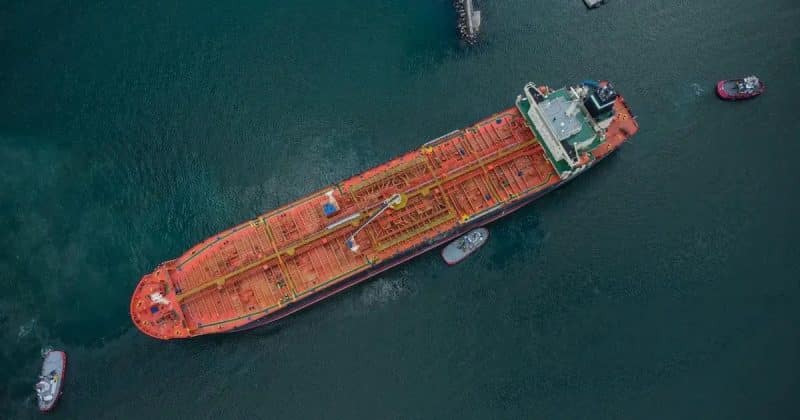
The Strait of Hormuz, through which a massive share of global oil shipments pass, would be immediately reopened under the agreement’s terms. The US naval blockade on Iranian ports, which has choked off Tehran’s maritime trade, would also be lifted.
US Vice President J.D. Vance is expected to attend the Geneva signing ceremony.
The full text of the agreement has not been made public. Iran’s nuclear program is being deliberately punted to a separate negotiation track. A 60-day window will open after the signing for technical discussions covering sanctions relief, verification inspections, and broader regional security concerns.
How we got here
This framework didn’t materialize overnight. Indirect negotiations have been mediated by Oman since April 2025, a backchannel role Muscat has played with increasing frequency in Gulf diplomacy. Those talks moved through various international venues, including meetings in Muscat and Rome, before landing in Geneva.
The US-Iran relationship has been defined by hostility for decades, stretching back to the 1979 revolution and hostage crisis. The 2015 Joint Comprehensive Plan of Action, better known as the Iran nuclear deal, represented the last major diplomatic breakthrough between the two countries. The US withdrew from that agreement in 2018 under the first Trump administration, reimposing sanctions and setting the stage for the escalatory cycle that followed.
What this means for markets and geopolitics
The immediate market implications center on energy. The Strait of Hormuz is the single most important oil transit chokepoint in the world, and any agreement that reduces the risk of its closure removes a persistent geopolitical risk premium from crude prices. The lifting of the US naval blockade on Iranian ports would also, over time, bring Iranian oil exports back onto global markets in greater volume.
A memorandum of understanding is not a treaty. The 60-day nuclear negotiation window that follows the signing is where the real test begins. Sanctions relief, which Tehran desperately wants, will likely be conditioned on verification inspections, which Tehran has historically resisted.
Oman’s mediating role adds a layer of credibility. Muscat has a track record of facilitating sensitive backchannel communications in the Gulf, and its involvement suggests both sides have been engaging in good faith, at least enough to produce a signable document.
Disclosure: This article was edited by Editorial Team. For more information on how we create and review content, see our Editorial Policy.

 English (US) ·