
 1 hour ago
18
1 hour ago
18
The US and Iran have agreed to a 60-day negotiation framework aimed at untangling one of the most complex geopolitical knots of the past decade: sanctions relief, nuclear enrichment limits, and the reopening of the Strait of Hormuz. The memorandum of understanding is scheduled to be formally signed on June 19, 2026, potentially in Geneva.
For crypto markets, this isn’t just a foreign policy story. Iran has been one of the most prominent nation-state users of digital assets to circumvent sanctions, and any shift in the sanctions regime will have downstream effects on how regulators approach crypto exchanges globally.
What’s in the deal
The MOU lays out a structured negotiation period covering several interconnected issues. At the top of the list: the release of up to $24 billion in frozen Iranian assets and the lifting of both primary and secondary US sanctions.
Iran has conditioned its participation on upfront sanctions relief and the release of blocked funds.
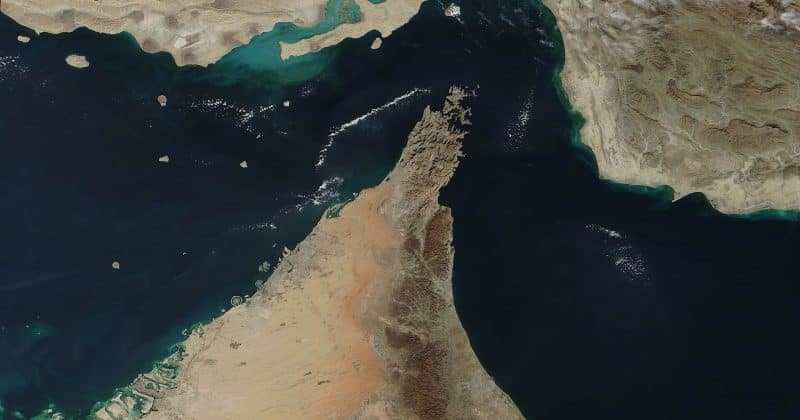
The agreement also includes provisions for reopening the Strait of Hormuz, a maritime chokepoint through which roughly a fifth of the world’s oil supply passes.
On the nuclear front, discussions will cover uranium enrichment limits and the disposal of highly enriched uranium. Technical working groups are expected to begin shortly after the formal signing to hash out these details. The 60-day window can be extended by mutual consent.
Key figures driving the negotiations include US Vice President JD Vance and Iranian Foreign Minister Abbas Araghchi. The talks were partly inspired by earlier discussions mediated by Pakistan, which helped establish a ceasefire amid escalating military strikes and blockades in the region.
The crypto connection
Iran has relied heavily on crypto infrastructure to navigate sanctions, using digital exchanges and peer-to-peer networks to move value across borders when traditional banking channels were shut off.
The US recently sanctioned Nobitex, described as Iran’s largest digital exchange. That action signaled Washington’s increasing willingness to target crypto platforms that facilitate sanctions evasion, not just the individuals behind them.
For crypto investors specifically, the intersection of sanctions policy and digital assets creates a unique risk profile. Exchanges that have processed Iranian transactions, knowingly or otherwise, face potential enforcement actions regardless of whether the broader deal succeeds. The Nobitex sanctions demonstrated that Washington is willing to name specific platforms, not just wallet addresses.
Oil, assets, and market implications
The $24 billion in frozen assets isn’t just a diplomatic bargaining chip. It’s a potential injection of capital into an economy that has been starved of dollar liquidity for years.
The Strait of Hormuz provision adds another layer. Its reopening would ease shipping risks and insurance costs for tankers moving through the Persian Gulf.
The previous round of negotiations, which spanned from April 2025 through early 2026, produced limited concrete results but established the diplomatic groundwork for this MOU. The fact that both sides agreed to a structured timeline with a potential extension clause suggests a level of seriousness that earlier rounds lacked.
Investors watching this space should pay attention to whether technical working groups actually convene after the June 19 signing, which would indicate genuine momentum, and any statements from either side about the sequencing of sanctions relief versus nuclear concessions, since that ordering has torpedoed every previous attempt at a comprehensive deal.
Disclosure: This article was edited by Editorial Team. For more information on how we create and review content, see our Editorial Policy.







 English (US) ·