
 2 hours ago
13
2 hours ago
13
The United States and Iran have reached a framework understanding that would allow Tehran to resume oil exports almost immediately after an official signing ceremony. That ceremony is scheduled for June 19, 2026, in Geneva, Switzerland, with Pakistan serving as mediator.
The deal’s implications are already rippling through global markets. Brent and WTI crude prices dropped 4-5% to roughly $80-84 per barrel on the announcement, while Bitcoin jumped approximately 2% to trade between $65,500 and $66,600, its highest level in two weeks.
What the deal actually requires
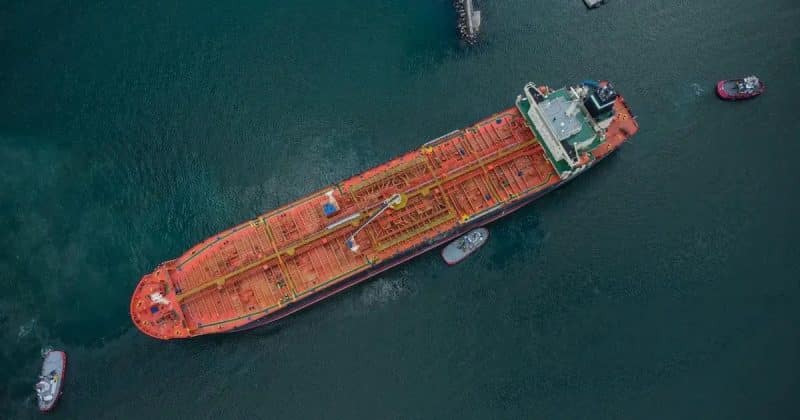
The framework understanding, reached around June 14-15, centers on ending a US-imposed naval blockade on Iranian ports and reopening the Strait of Hormuz. About 20% of the world’s oil trade flows through that narrow waterway.
Iran’s side of the bargain involves removing mines and completing other compliance actions. If Tehran meets those conditions, it can begin selling oil immediately after the deal is signed.
Iran’s oil exports collapsed from around 2 million barrels per day to below 300,000 barrels per day as of May 2026. That’s roughly an 85% drop in output reaching the global market.
Why oil dropped and Bitcoin rallied
The 4-5% decline in crude prices is a straightforward supply story. Markets are pricing in the prospect of Iranian barrels flooding back into the global mix.
During periods of intense economic sanctions, Iran has leaned heavily on digital assets, particularly Bitcoin, to facilitate financial activities that traditional banking channels couldn’t support. The country has historically used crypto mining operations and peer-to-peer trading to circumvent restrictions on its financial system.
The 2% Bitcoin rally to the $65,500-$66,600 range reflects broader market optimism. It signals that investors are feeling more comfortable taking on risk as geopolitical risk premiums ease.
What this means for investors
Analysts caution that the current understanding represents an interim solution. The signing on June 19 is a critical milestone, but compliance verification, enforcement mechanisms, and the broader diplomatic relationship all remain works in progress.
Iran’s production infrastructure has been operating at dramatically reduced capacity. Ramping back up from the below-300,000 barrels per day figure recorded in May 2026 takes time, investment, and functioning export infrastructure.
If Iran can sell crude through conventional channels again, the pressure to use digital assets as sanctions-evasion tools diminishes. That could reduce one source of organic demand for Bitcoin from state-level actors.
If compliance breaks down — mine removal, port inspections, and Strait of Hormuz security all present complex operational challenges — the deal could stall. That would likely send oil prices surging back up and trigger a risk-off move across asset classes.
Disclosure: This article was edited by Editorial Team. For more information on how we create and review content, see our Editorial Policy.







 English (US) ·