
 1 month ago
55
1 month ago
55
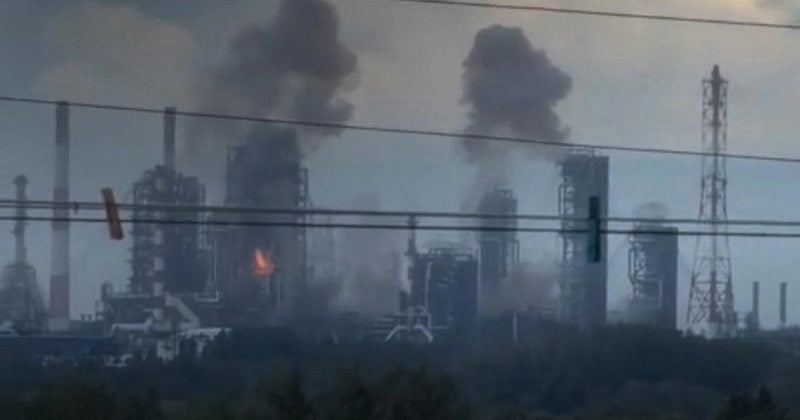
The Islamic Revolutionary Guard Corps Navy declared the Strait of Hormuz closed to all vessel traffic effective June 10, 2026, citing repeated US violations of a ceasefire agreement and what it called an ongoing naval blockade of Iranian ports. Every tanker captain in the Persian Gulf just got the maritime equivalent of a “road closed” sign, except this road carries roughly 20-25% of the world’s oil and liquefied natural gas shipments.
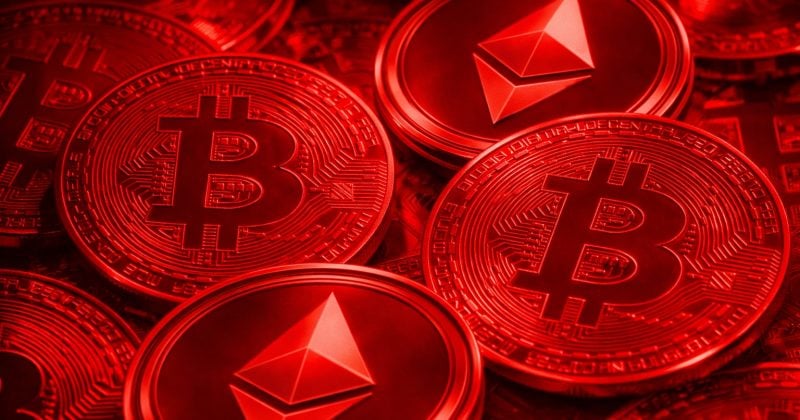
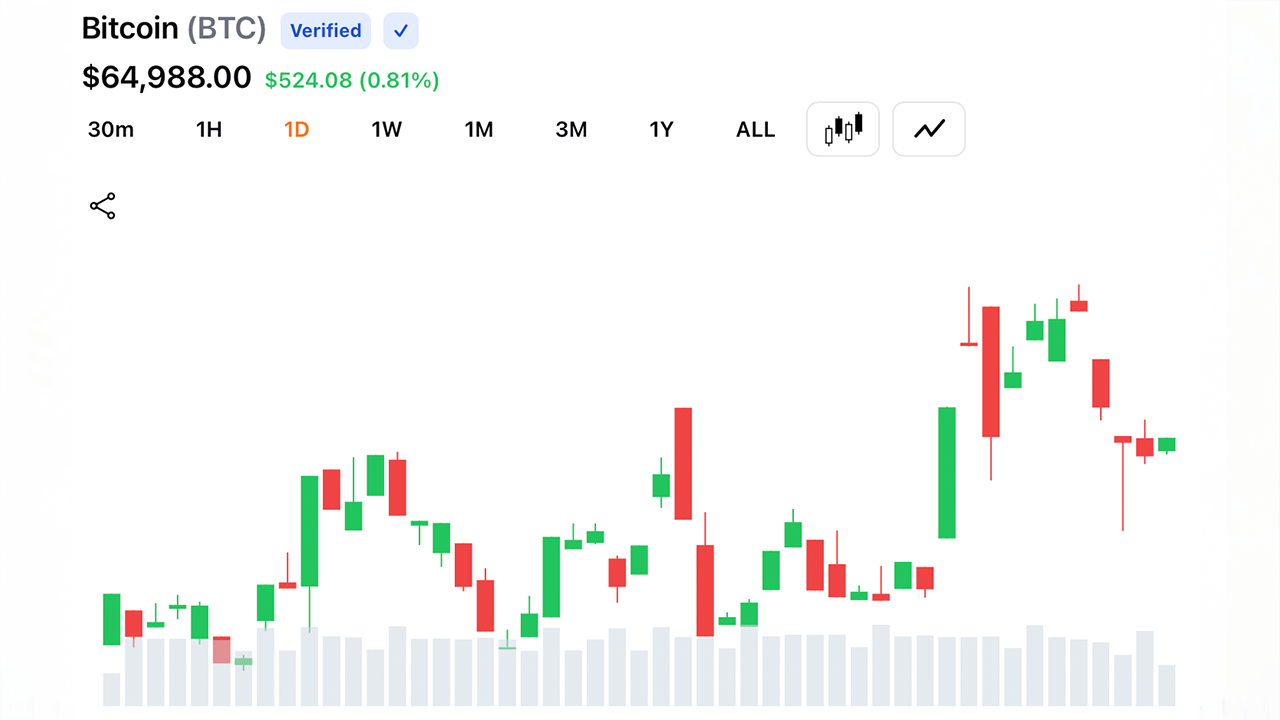
Iran has been quietly building a parallel toll system for the strait, one that accepts payment in Bitcoin, stablecoins, and Chinese yuan. The IRGC is essentially running a crypto-denominated tollbooth on the most important waterway in global energy.
A pattern of closures and escalation
This latest shutdown isn’t an isolated incident. Iran reportedly closed the strait on at least two prior occasions in 2026, including a closure from March 2-4 and another on April 18.
In early June 2026, Iranian forces seized two ships transiting the strait. During the worst stretches of the crisis, shipping traffic dropped to near-zero levels.
Iran has been charging transit fees estimated at around $1 per barrel of oil and approximately $2 million per vessel. Payments are routed through IRGC intermediaries and accepted exclusively in Bitcoin, stablecoins, or Chinese yuan.
Bitcoin-backed insurance and the sanctions playbook
In May 2026, Iran took things a step further by launching a Bitcoin-backed insurance service for ships transiting the Strait of Hormuz. Traditional maritime insurance relies on Western financial infrastructure. Sanctioned entities can’t access that infrastructure. So Iran built its own version using an asset class that doesn’t require permission from SWIFT or any correspondent bank.
This represents one of the most significant real-world deployments of cryptocurrency by a state actor for sanctions evasion. It’s not just stealing crypto or mining it. It’s building financial services infrastructure around it, complete with insurance products and payment rails, all anchored to control of a physical chokepoint.
What this means for markets and crypto investors
A quarter of global oil and LNG flowing through a single chokepoint that keeps getting shut down is a supply shock scenario with direct consequences for crude and natural gas price volatility.
Stablecoin issuers like Tether and Circle face a particularly awkward position. If USDT or USDC are flowing through IRGC intermediaries, the political pressure to blacklist addresses and freeze tokens will be intense. Tether has previously cooperated with law enforcement to freeze wallets, but the scale and state-backed nature of this operation is a different challenge entirely.
Disclosure: This article was edited by Editorial Team. For more information on how we create and review content, see our Editorial Policy.



 English (US) ·